Quick Guide Summary
In this comprehensive medical guide to Fixed Dental Prostheses (FDP), we explore:
1. What is a Fixed Dental Prosthesis?
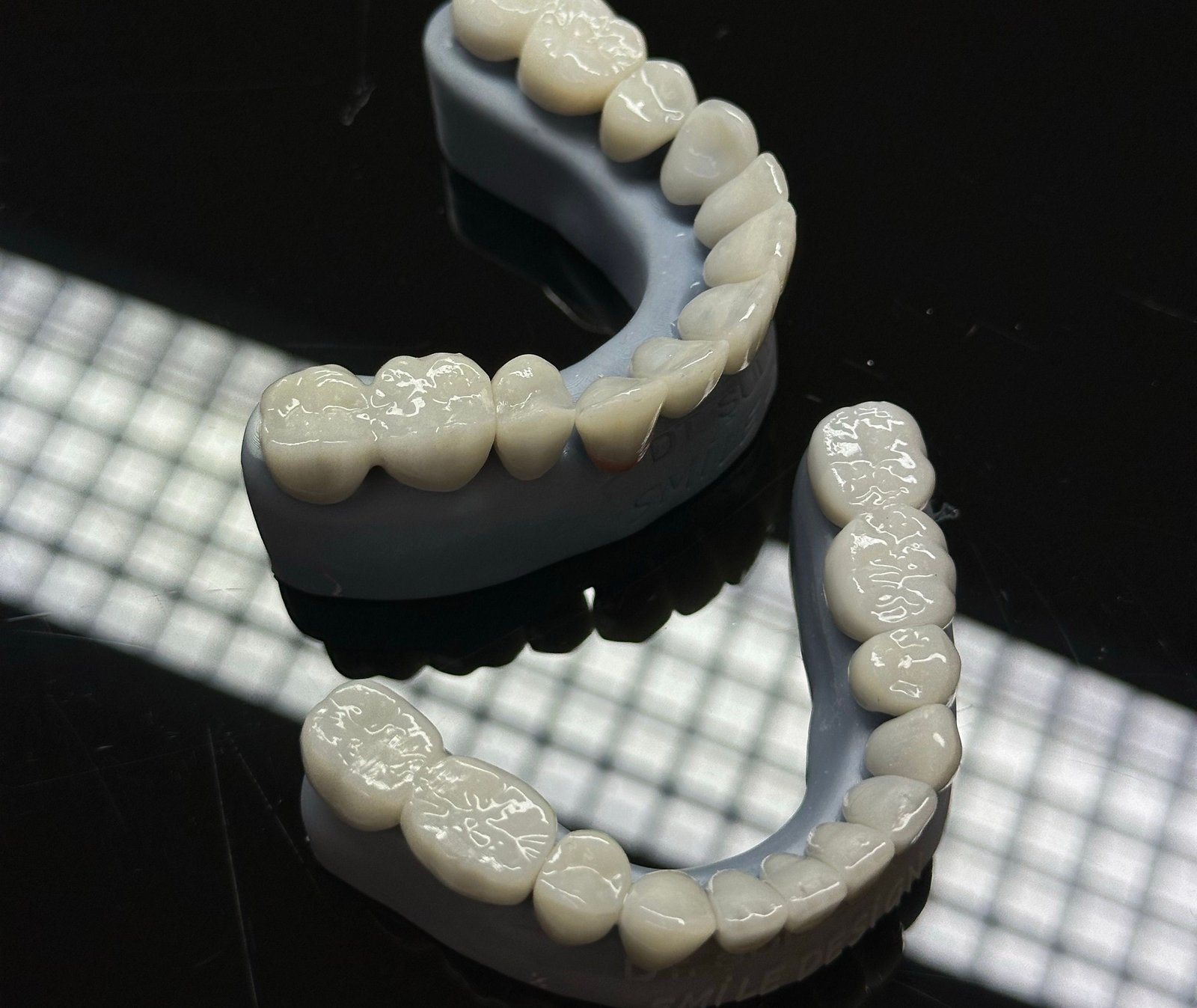
In the specialized branch of dentistry known as prosthodontics, a Fixed Dental Prosthesis (FDP) refers to any custom-fabricated dental restoration that is permanently securely attached to natural teeth, tooth roots, or dental implants.
Unlike removable dentures, which must be taken out daily for cleaning, an FDP is securely cemented or screwed into place by a dentist. It functions, feels, and is maintained exactly like natural teeth. The primary goal of an FDP is to restore masticatory function (chewing), correct phonetic issues (speech), and re-establish the structural integrity and aesthetic harmony of the dental arch.
2. Types of Fixed Prosthesis
Fixed prosthesis come in several distinct forms, engineered specifically for the amount of tooth structure that needs replacing.
Dental Crowns
A full-coverage restoration that entirely encases a severely damaged, heavily decayed, or root-canal-treated tooth above the gumline, restoring its original size, strength, and shape.
Fixed Bridges
Used to replace one or more missing teeth. It involves placing crowns on the healthy teeth adjacent to the gap (abutments), which are fused to a false tooth (pontic) suspended in between.
Inlays & Onlays
Known as "partial crowns." These are conservative fixed prosthetics used when a tooth is too damaged for a normal composite filling, but has enough healthy structure remaining that a full crown is unnecessary.
Implant-Supported FDP
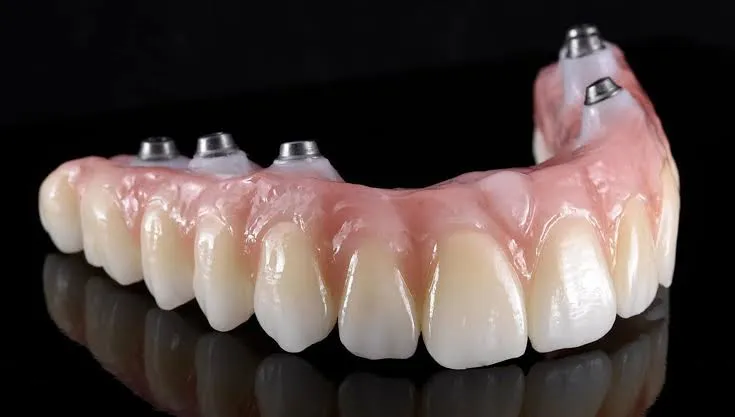
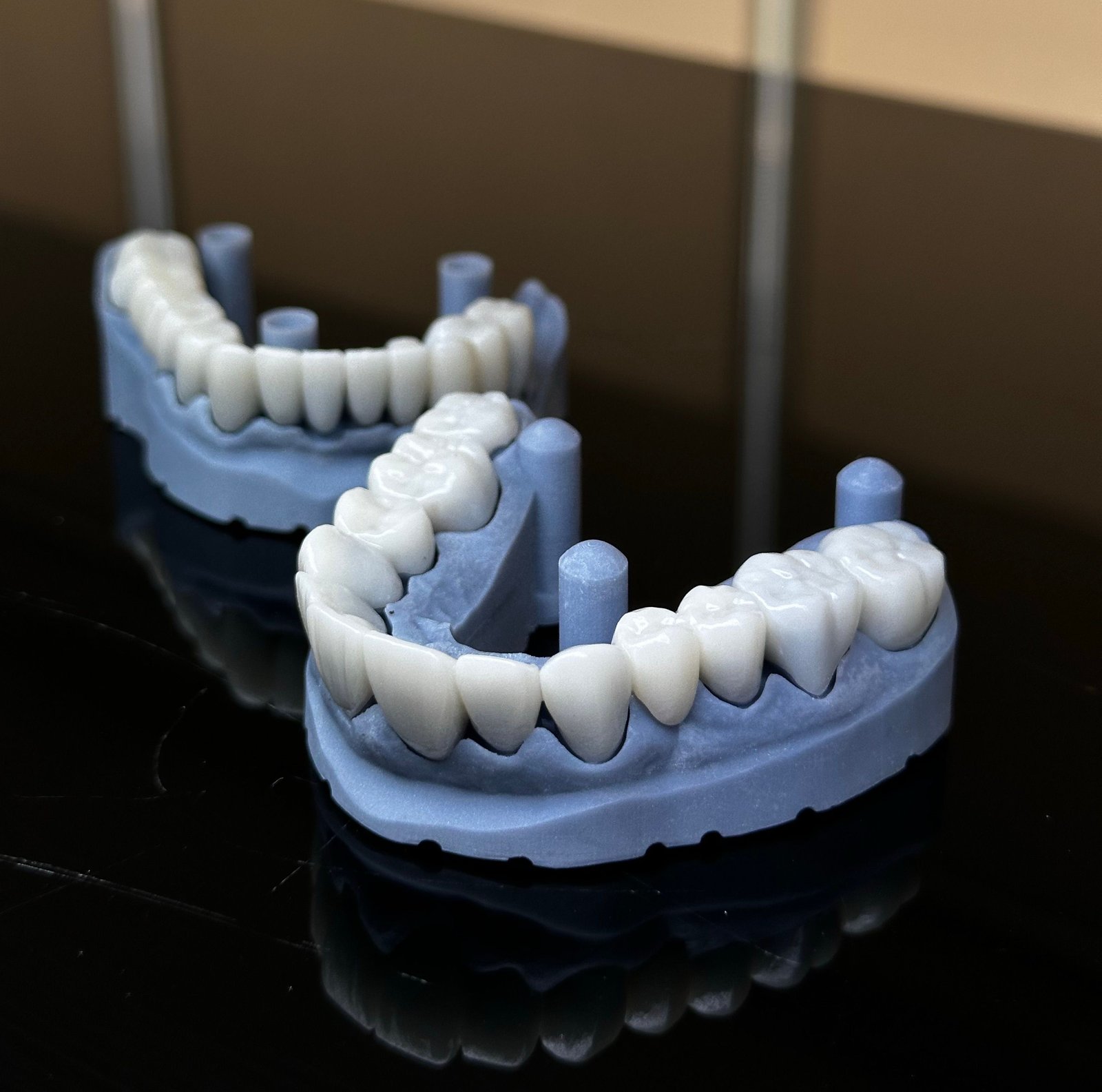
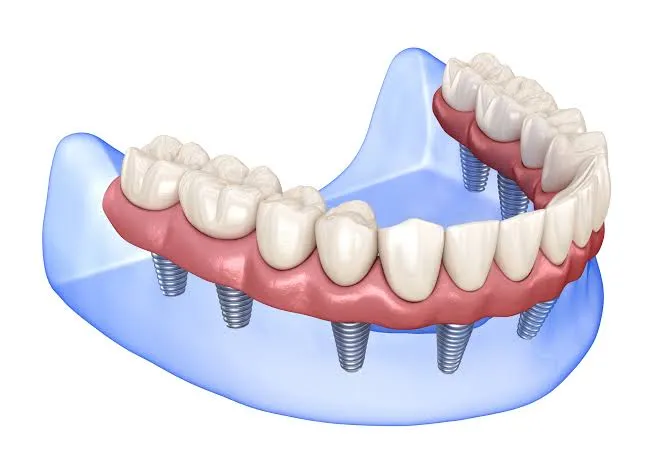
Instead of resting on natural teeth, these prostheses (crowns, bridges, or full-arch hybrids) are securely screwed or cemented onto surgical titanium dental implants integrated into the jawbone.
3. Advanced Prosthetic Materials
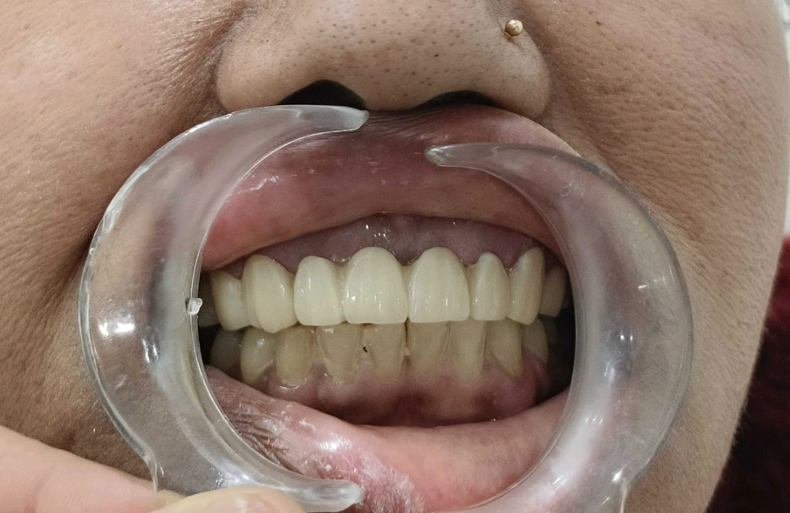
The longevity and visual appeal of a fixed prosthesis depend heavily on the material utilized. At Ayaansh Dental Clinic, we utilize advanced CAD/CAM (Computer-Aided Design and Manufacturing) technology to mill highly precise restorations.
Monolithic Zirconia
A highly durable, biocompatible white crystal. It is virtually indestructible under normal human biting forces. It is the premier choice for molar crowns and long-span posterior bridges due to its extreme fracture resistance.
Lithium Disilicate (E.max)
A specialized glass-ceramic that offers unparalleled, lifelike optical properties. It is highly translucent and mimics natural enamel perfectly, making it the supreme choice for anterior (front) teeth and cosmetic smile designing.
Porcelain Fused to Metal (PFM)
A traditional hybrid material consisting of a strong metal alloy substructure covered by a layer of aesthetic porcelain. While highly durable and cost-effective, it lacks the true translucency of all-ceramic options and may eventually show a dark metal line at the gum margins.
4. The Clinical Workflow
Fabricating and placing a fixed dental prosthesis is a multi-step process requiring meticulous clinical accuracy. It generally requires two main appointments.
Diagnostics & Tooth Preparation
Under local anesthesia, the target tooth is reshaped. We meticulously remove all decay and circumferentially reduce the enamel to create physical space for the prosthetic material.
Precision Impressions
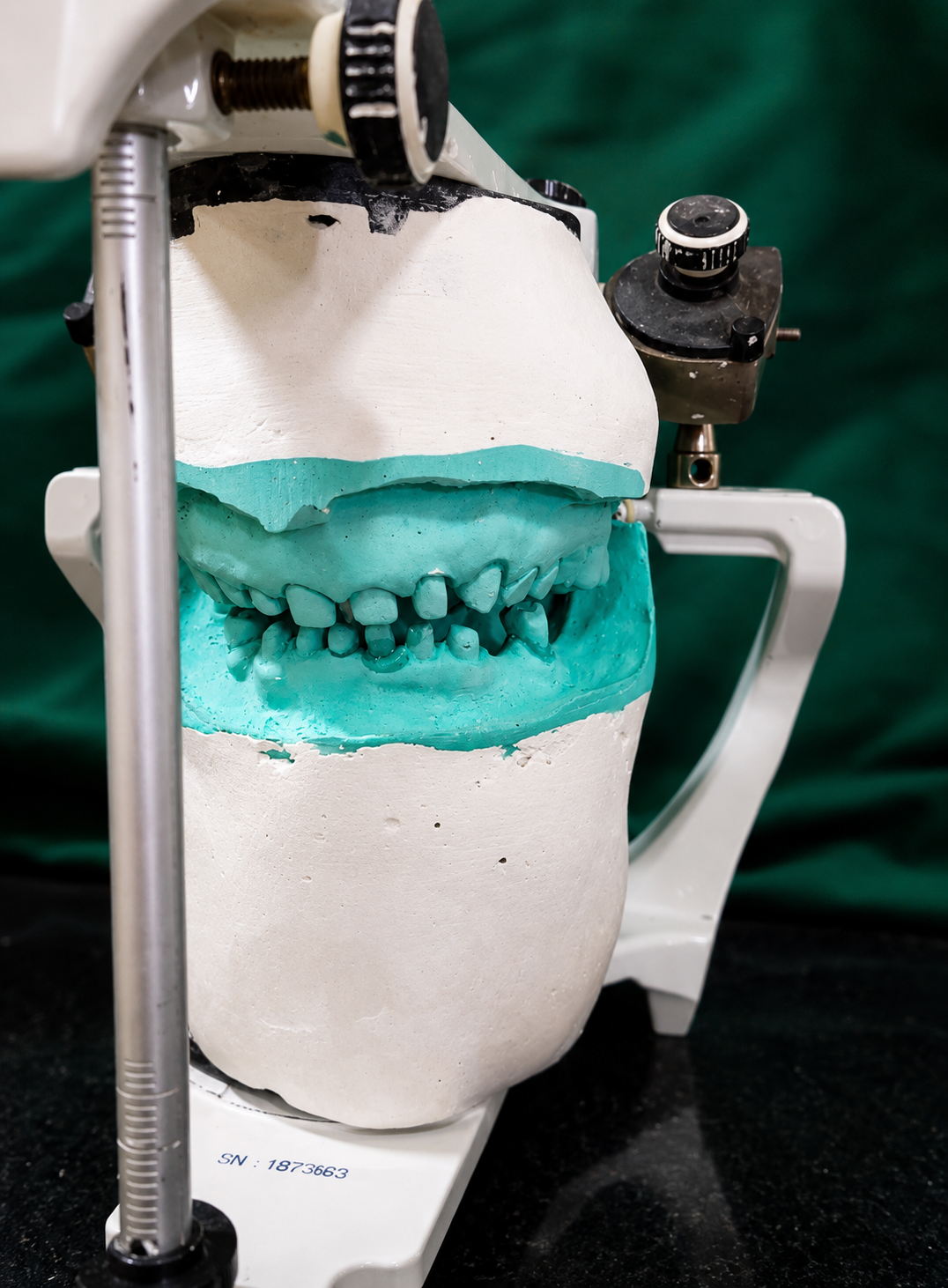
We capture an exact replica of the prepared tooth and surrounding tissues using a high-definition digital intraoral scanner or advanced elastomeric impression materials. This data is transmitted to the dental laboratory.
Temporization
To protect the exposed dentin and maintain gum health while the permanent prosthesis is being manufactured, a custom acrylic temporary crown or bridge is cemented onto the prepared teeth.
Final Luting (Cementation)
During the second visit, the temporary is removed. The permanent ceramic prosthesis is tried in to verify absolute marginal fit, bite alignment, and color match. Once verified, it is permanently bonded using high-strength dental luting cements.
5. Cost of Fixed Prostheses in Varanasi
The investment required for a fixed dental prosthesis depends on the specific material chosen and the number of "units" involved. (A three-tooth bridge constitutes three units).
| Prosthesis Material | Est. Cost Range (Per Unit) | Laboratory Warranty |
|---|---|---|
| Porcelain Fused to Metal (PFM) | ₹2,500 - ₹4,000 | 5 Years |
| CAD/CAM Monolithic Zirconia | ₹6,000 - ₹10,000 | 10 to 15 Years |
| Premium E.max Lithium Disilicate | ₹10,000 - ₹15,000+ | 15 Years to Lifetime |
Note: At Ayaansh Dental Clinic, we utilize premium materials sourced from top-tier laboratories. Each Zirconia and E.max unit comes with a physical authentication and warranty card.
6. Prosthodontic Expertise in Varanasi
Designing and permanently fixing a dental prosthesis is a highly intricate biomechanical process. Located on BHU Trauma Centre Road in Lanka, Varanasi (easily serving patients from Assi Ghat and Ravidas Gate), Ayaansh Dental Clinic offers elite restorative care.
The clinic is directed by Dr. N Srivastava, an MDS Prosthodontist. A Prosthodontist is a specialized dentist who has undergone an additional three years of intensive clinical residency focused exclusively on the advanced restoration and replacement of teeth. This ensures that your fixed prosthesis is engineered to harmoniously interact with your jaw joints, muscles, and opposing teeth.
7. Frequently Asked Questions
A fixed dental prosthesis is permanently cemented or screwed into place on natural teeth or dental implants. It cannot be removed by the patient and functions like natural teeth. Removable dentures are tissue-supported prosthetics that must be taken out daily for cleaning and sleep.
With meticulous oral hygiene, regular biannual dental scaling, and the avoidance of destructive habits (such as chewing ice or using teeth as tools), premium fixed ceramic prosthetics commonly last 10 to 15 years, and often much longer.
No. The clinical preparation of the tooth is performed under profound local anesthesia. You will feel vibration and pressure, but zero pain. If the tooth has already undergone a root canal procedure, it lacks a vital nerve, making the process entirely devoid of sensation.
Since the crowns of a bridge are physically connected, you cannot use standard dental floss between them. You must utilize a specialized floss threader, interdental brushes, or a water flosser (oral irrigator) daily to clear bacterial plaque from beneath the false tooth and along the gum margins.
Dr. N Srivastava
AuthorBDS, MDS (BHU) • Prosthodontist & Implantologist
An expert trained at the prestigious Banaras Hindu University (BHU), Dr. N Srivastava specializes in dental implants, fixed prosthodontics (crowns and bridges), full mouth rehabilitations, and cosmetic dentistry. She focuses on using advanced diagnostics and patient-first methodologies to deliver painless, premium care in Varanasi.
Read More
Related Clinical Insights
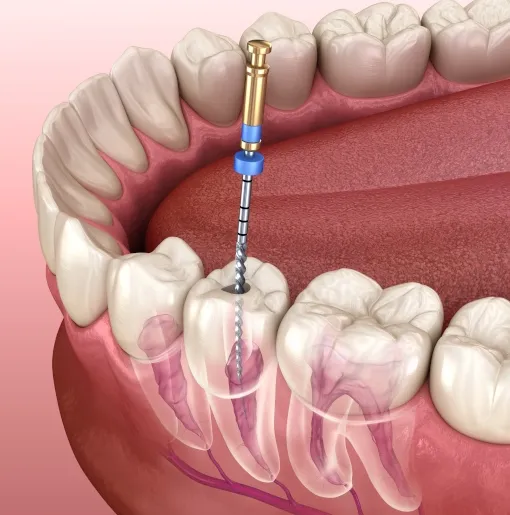 Endodontics
Debunking the Myth: Painless Root Canal
Discover how modern rotary endodontics have made RCT as comfortable as a standard filling.
Read Article →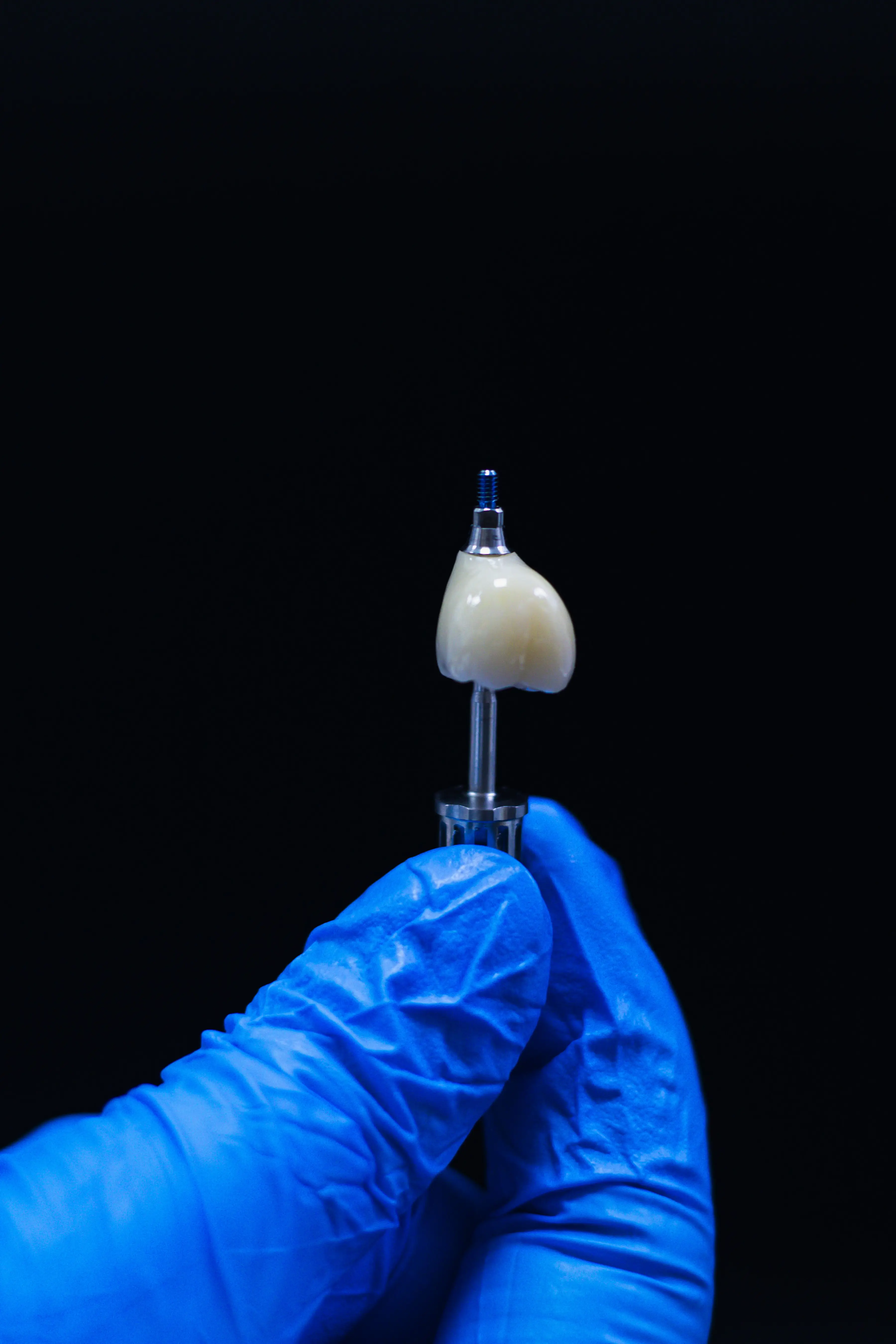 Restorative
When Do You Need a Dental Crown?
Understanding the role of crowns in protecting weak teeth and completing root canal treatments.
Read Article →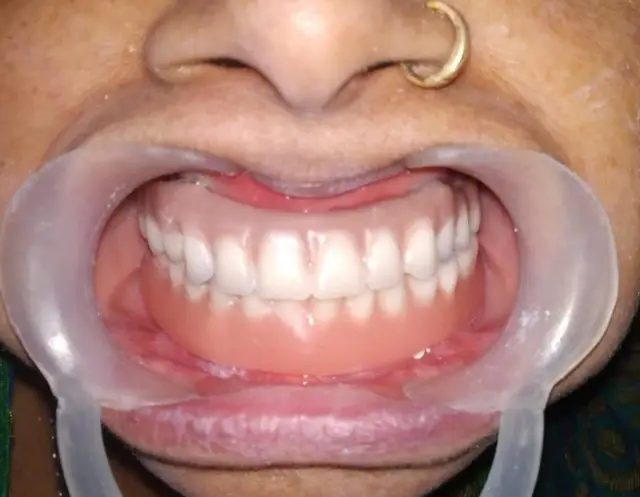 Restorative
Complete & Removable Dentures Guide
Everything you need to know about adjusting to new dentures and implant-supported overdentures.
Read Article → Restorative
What is Full Mouth Rehabilitation?
A deep dive into complex restorative cases. How we rebuild entire smiles functioning perfectly and looking naturally beautiful.
Read Article →Ready to Transform Your Smile?
Premium Dental Care by BHU Alumni in Varanasi.