
Quick Guide Summary
In this comprehensive medical guide on restorative prosthodontics, we explore:
1. What are Dental Crowns and Bridges?
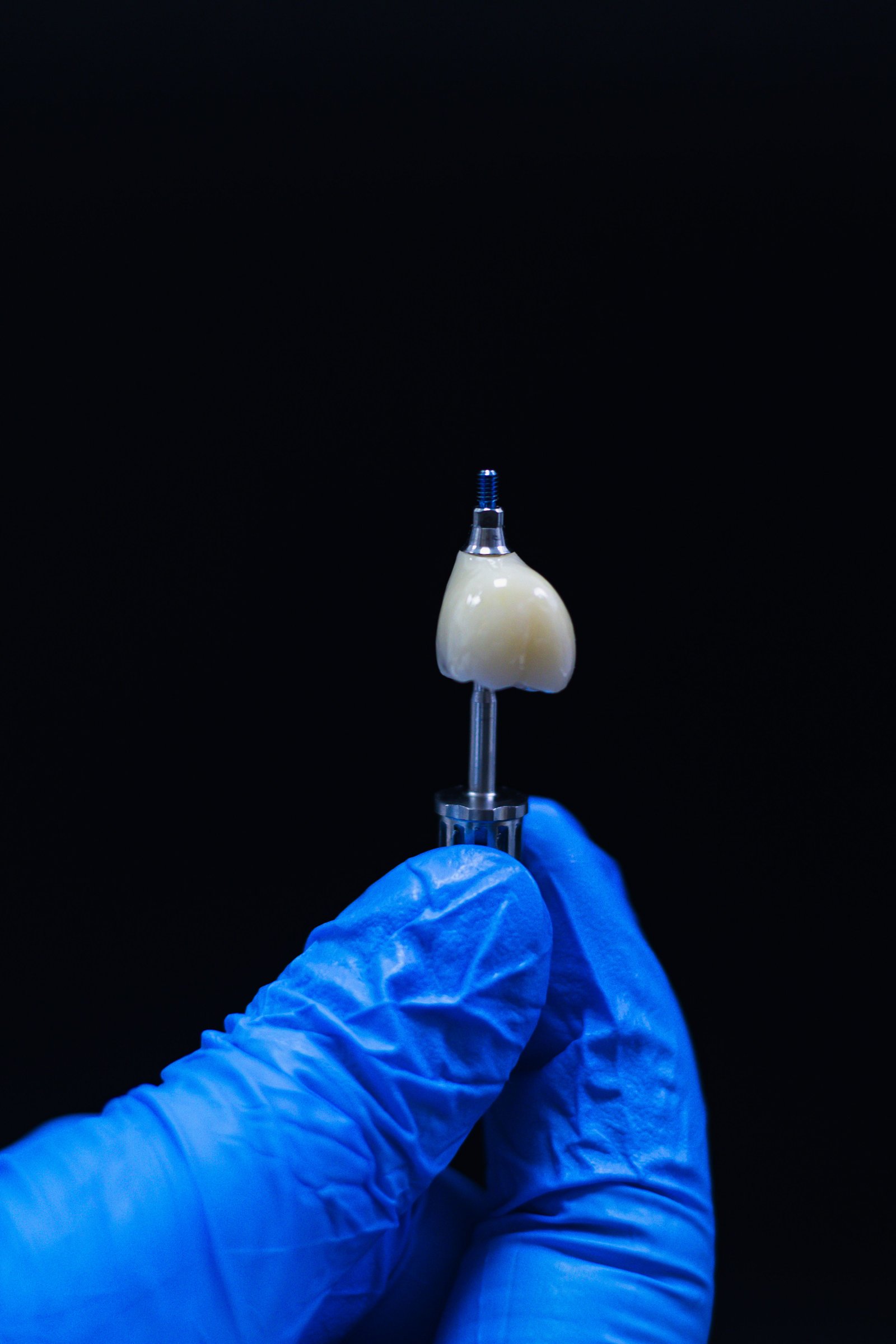
In the specialized field of Prosthodontics (the dental specialty focused on making artificial teeth), crowns and bridges are the primary foundation for restoring severely damaged or missing teeth. Unlike removable devices such as dentures, crowns and bridges are fixed prosthetic devices that are cemented onto existing teeth or dental implants.
Dental Crown
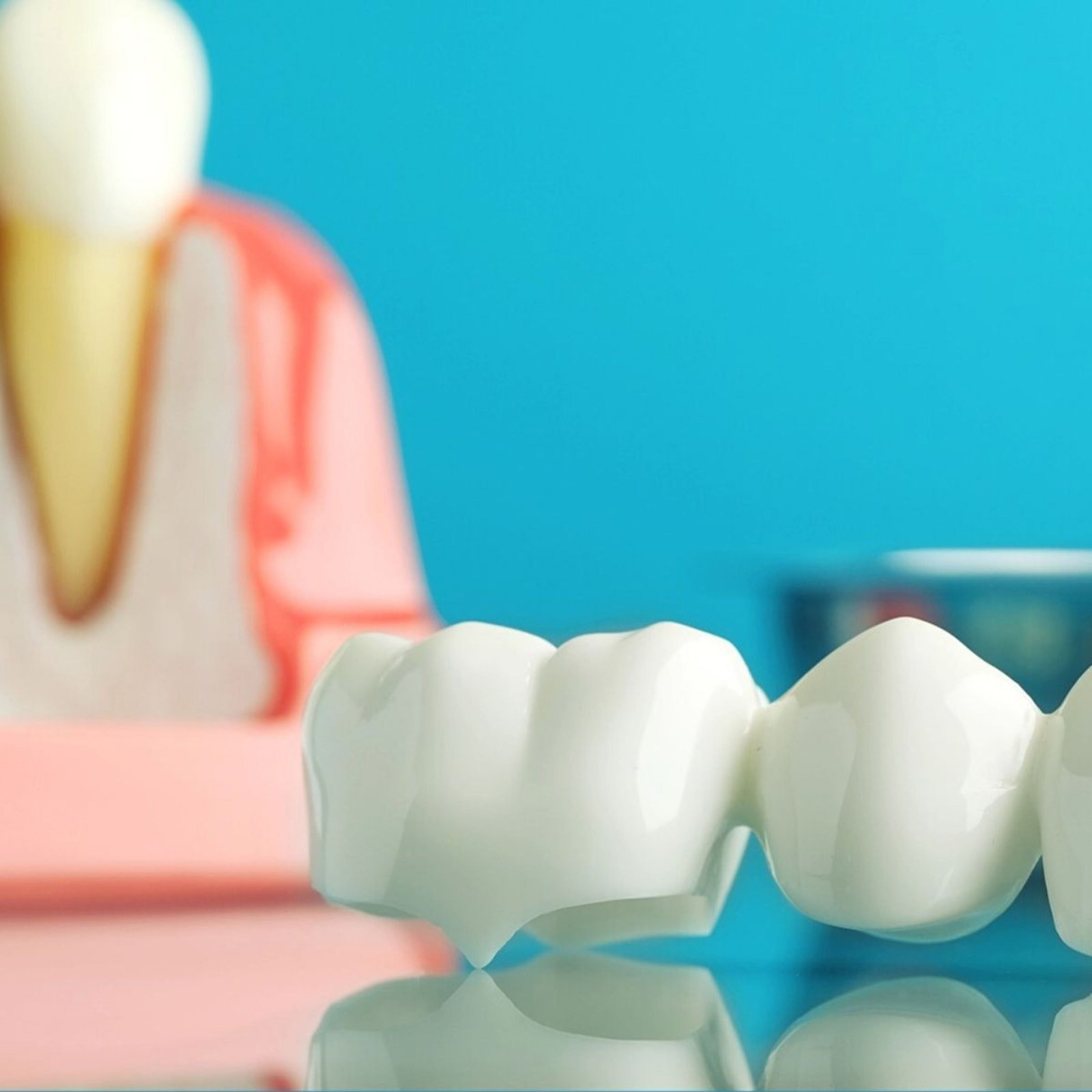
Often referred to as a "cap," a dental crown entirely covers or "caps" a damaged tooth up to the gum line. It restores the tooth's shape, size, strength, and appearance. Once cemented in place, a crown essentially becomes the new outer surface of the tooth.
Dental Bridge
A bridge is utilized to "bridge the gap" created by one or more missing teeth. A traditional bridge consists of two crowns placed on the natural teeth on either side of the gap (called abutments), with an artificial false tooth (called a pontic) suspended securely between them.
2. When Do You Need a Crown or Bridge?
Not every damaged tooth requires a crown; sometimes a standard filling is sufficient. However, as a Prosthodontist, Dr. N Srivastava typically recommends these robust restorations in the following clinical scenarios:
-
Following Root Canal Treatment (RCT): A tooth that has undergone a root canal is technically dead. Without an active blood supply, the enamel becomes brittle and prone to shattering under biting pressure. A crown acts as a protective helmet to prevent catastrophic fracture.
-
Severe Decay & Massive Fillings: If a cavity has destroyed more than 50% of the tooth structure, a composite filling will not be strong enough to hold the tooth together. A crown is required to bind the remaining walls.
-
Cracked Tooth Syndrome: Teeth that have microscopic vertical fractures cause sharp pain upon biting. A crown tightly binds the segments together, stopping the crack from spreading to the root.
-
Replacing Missing Teeth (Bridges): Leaving an empty gap causes surrounding teeth to drift and opposing teeth to over-erupt. A bridge acts as a space maintainer while restoring full chewing function.
Bridges vs. Dental Implants
While a bridge is an excellent traditional method for replacing a missing tooth, it requires grinding down healthy adjacent teeth to serve as anchors. A dental implant is often considered the superior modern alternative because it replaces the missing tooth independently without damaging neighboring teeth.
3. Types of Materials (Zirconia, E.max, PFM)
The longevity, aesthetics, and cost of your restoration rely heavily on the material selected. We utilize CAD/CAM technology and partner with premium dental laboratories to craft crowns from the following materials:
Monolithic Zirconia (The Modern Standard)
Zirconia is a highly durable, biocompatible white crystal crystal. It is virtually indestructible under normal biting forces and contains absolutely no metal.
- Best For: Molars (back teeth), patients who grind their teeth (bruxism), and long-span bridges.
- Pros: Extreme fracture resistance, no dark metal lines at the gum margin, highly biocompatible.
E.max (Lithium Disilicate)
The ultimate material for cosmetic dentistry. E.max is a glass-ceramic that perfectly mimics the light-reflecting translucency of natural enamel.
- Best For: Anterior (front) teeth, dental veneers, and highly visible smile zones.
- Pros: Unparalleled lifelike aesthetics, excellent bond strength to natural teeth.
Porcelain Fused to Metal (PFM)
The traditional workhorse of dentistry for over 50 years. A strong metal alloy substructure is baked with an outer layer of tooth-colored porcelain.
- Best For: Budget-conscious patients, posterior long-span bridges.
- Pros: Very strong, more affordable than all-ceramic options.
- Cons: Can show a dark grey line at the gumline as gums recede over time. The porcelain layer can occasionally chip off the metal base.
4. The Clinical Procedure (Step-by-Step)
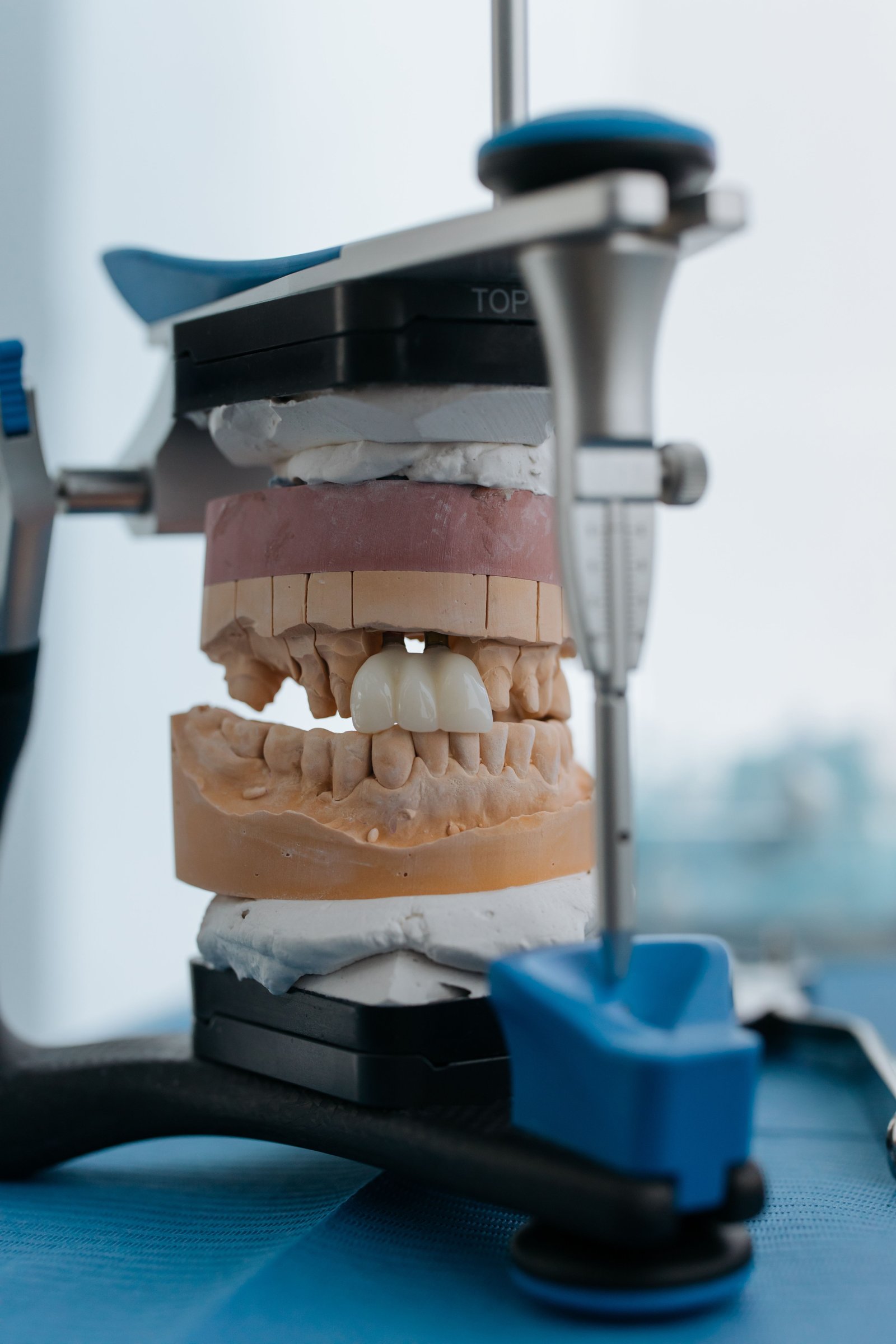
Fabricating a custom crown or bridge requires meticulous precision. The process usually takes two appointments separated by a few days while the dental laboratory fabricates your permanent prosthetic.
Visit 1: Tooth Preparation & Impressions
Under local anesthesia, the tooth is reshaped. We remove decay and circumferentially reduce the enamel by 1.5mm to 2mm to make room for the crown material. For a bridge, the teeth on either side of the gap are prepared.
Temporization
An ultra-precise digital scan or physical impression of the prepared teeth is recorded. We then fabricate and cement a temporary acrylic crown or bridge to protect your teeth and prevent sensitivity while the lab works.
Visit 2: Trial, Adjustment & Cementation
Once the permanent ceramic restoration arrives, we remove the temporary. The new crown is tried in to verify perfect margins, bite occlusion, and color match. Finally, it is permanently bonded to the tooth using a high-strength resin luting cement.
5. Cost of Crowns & Bridges in Varanasi
The cost of prosthetic dentistry is calculated "per unit" (per tooth). For example, a 3-unit bridge to replace one missing tooth involves three crowns connected together, so the cost is the base material price multiplied by three.
| Crown Material Type | Warranty | Est. Cost Range (Per Unit) |
|---|---|---|
| Porcelain Fused to Metal (PFM) | 5 Years | ₹2,500 - ₹4,000 |
| Standard Zirconia (CAD/CAM) | 10 Years | ₹6,000 - ₹9,000 |
| Premium E.max / High-Translucent Zirconia | 15 Years to Lifetime | ₹10,000 - ₹15,000+ |
Note: At Ayaansh Dental Clinic, every Zirconia and E.max crown comes with a physical authentication and warranty card directly from the manufacturing laboratory.
6. Aftercare & Maintenance
While crowns cannot get cavities, the natural tooth structure underneath them and the surrounding gum tissue are still highly susceptible to decay and periodontal disease. Proper maintenance is critical for longevity.
Hygiene Rules
- • Brush twice daily focusing on the margin where the crown meets the gum.
- • Floss daily to prevent plaque buildup.
- • For Bridges: You MUST use a specialized "floss threader" or a Waterpik to clean underneath the false pontic tooth, as standard flossing cannot pass through connected crowns.
- • Visit us for biannual scaling and polishing.
Habits to Avoid
- • Do not chew ice, hard candies, or un-popped popcorn kernels.
- • Avoid exceptionally sticky foods like caramel or toffee that can tug at the cement.
- • Never use your teeth to open packaging.
- • If you grind your teeth at night, wear a custom night guard to prevent porcelain fracture.
7. Why Choose Ayaansh Dental Clinic?
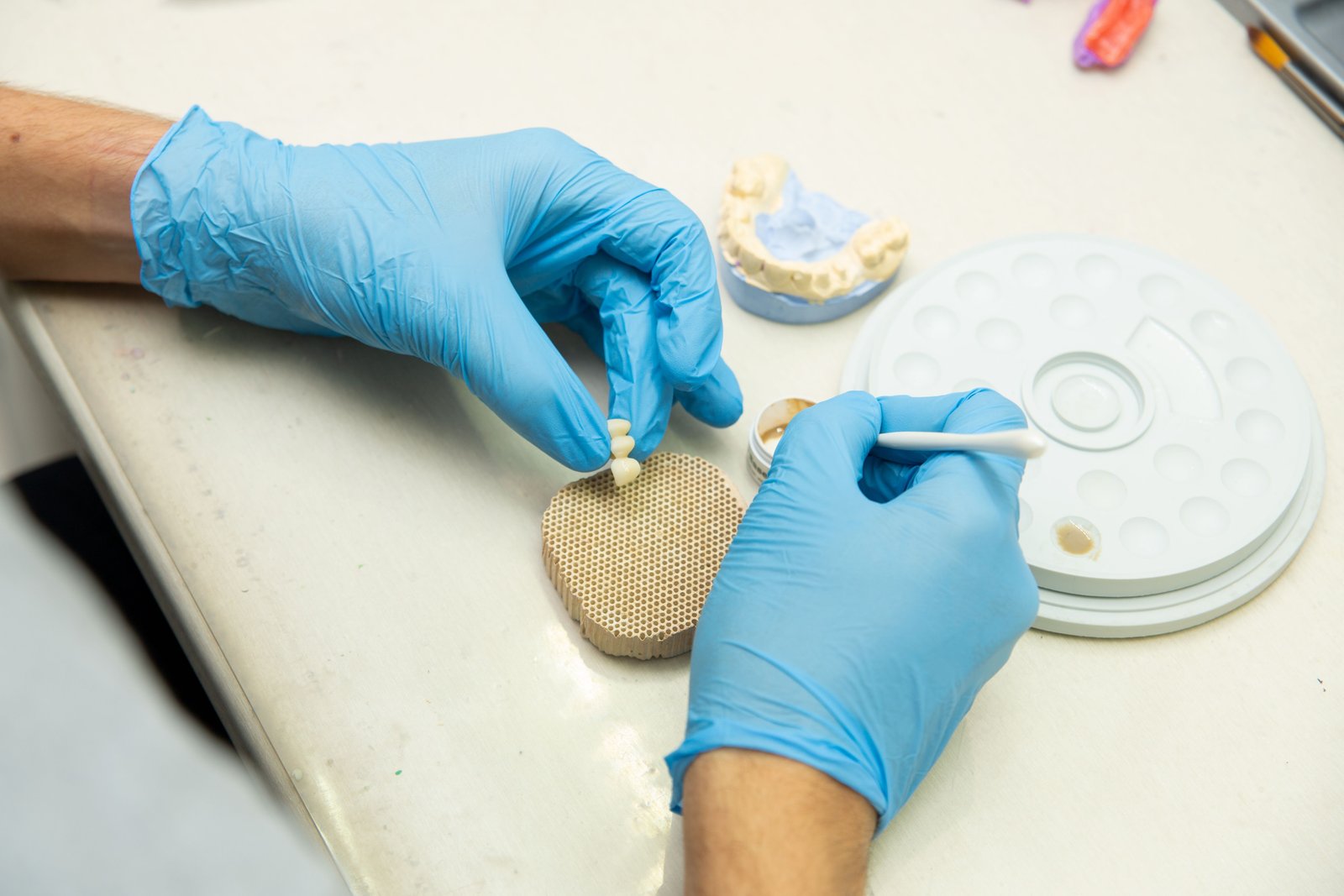
Placing crowns and designing bridges is the exact definition of Prosthodontics. At Ayaansh Dental Clinic, these procedures are not performed by general dentists, but are engineered by Dr. N Srivastava, an MDS Prosthodontist from BHU.
We focus heavily on gnathology (how your jaw moves) and occlusion (how your teeth bite together). A poorly designed crown can cause severe TMJ pain, jaw clicking, and premature wear. With a specialist, your restoration will feel identical to a natural tooth from day one.
8. Frequently Asked Questions
On average, a well-made crown or bridge lasts between 10 to 15 years. However, with excellent oral hygiene, avoiding destructive habits, and regular clinical checkups, premium Zirconia restorations can last a lifetime.
No. The tooth preparation is done under profound local anesthesia. If the tooth has previously had a root canal, the nerve is already gone, meaning you won't feel any pain at all. Some mild gum tenderness is normal for a day or two.
Temporary crowns are meant to come off easily. If it dislodges, keep the crown safe, avoid chewing on that side, and contact our clinic immediately. We will re-cement it to protect your tooth until the permanent crown arrives.
This is extremely common with older PFM (Porcelain Fused to Metal) crowns. As gums naturally recede with age, the dark metal base of the crown becomes visible. This is why we highly recommend metal-free Zirconia or E.max crowns for a seamless, natural look.
Yes. While the ceramic material itself cannot decay, the natural root and the margin where the crown meets the tooth are still vulnerable to bacterial plaque. If decay forms under the crown, the entire restoration must be removed and replaced.

Dr. N Srivastava
AuthorBDS, MDS (BHU) • Prosthodontist & Implantologist
An expert trained at the prestigious Banaras Hindu University (BHU), Dr. N Srivastava specializes in dental implants, crown and bridge treatments, full mouth reconstructions, and cosmetic dentistry. She focuses on using advanced diagnostics and patient-first methodologies to deliver painless, premium care.