Quick Guide Summary
In this comprehensive clinical guide to smile architecture, we explore:
1. What is Digital Smile Designing (DSD)?
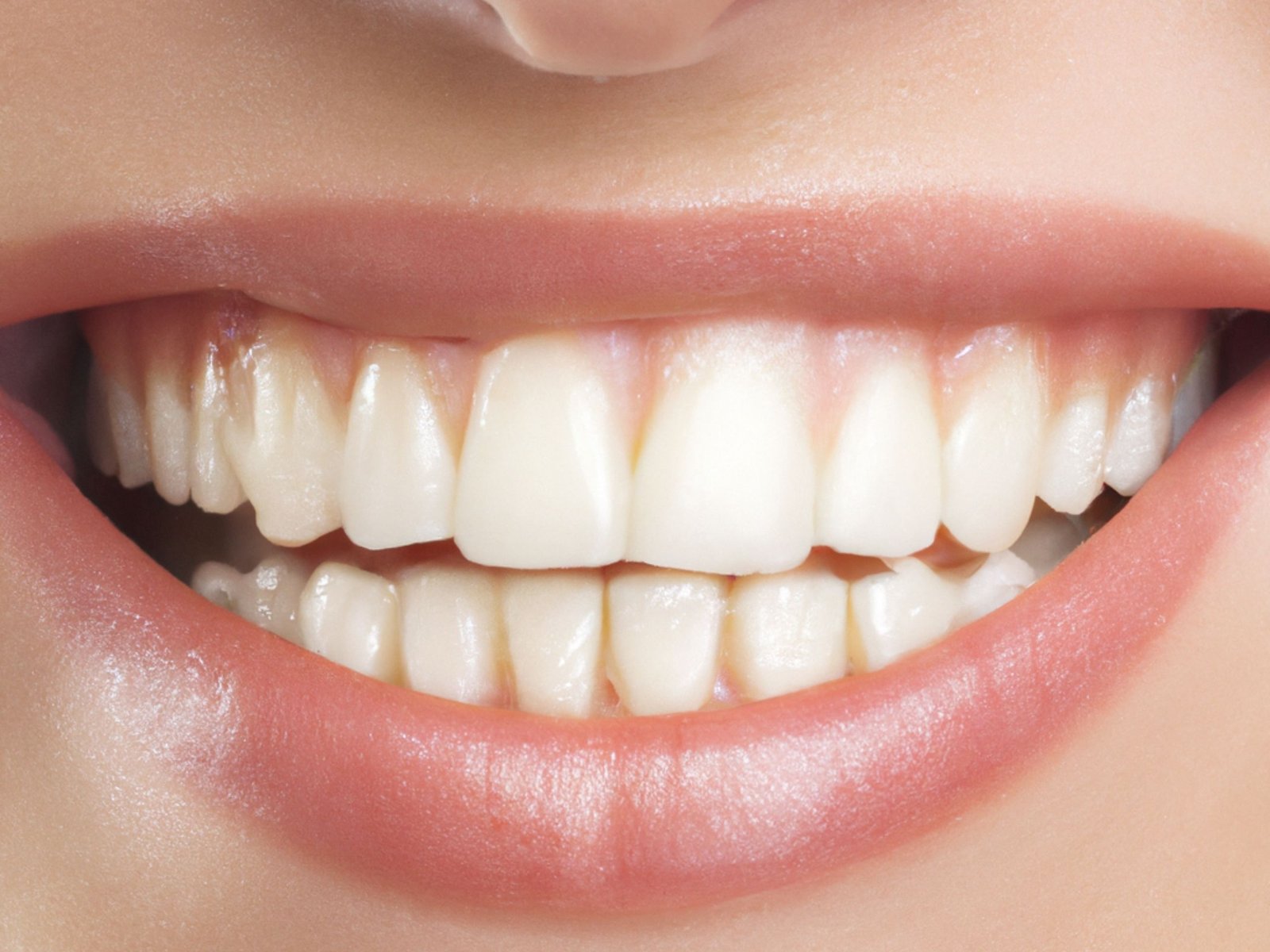
A smile is deeply tied to human emotion and self-confidence. Digital Smile Designing (DSD) is an advanced cosmetic dental protocol that allows prosthodontists to architect and preview a patient's final smile before any physical clinical work begins. It shifts dentistry from being purely functional to being a highly predictable art form.
Traditional dentistry often relied on guesswork or a "one-size-fits-all" approach to aesthetic restorations. DSD, however, utilizes high-resolution digital photography, dynamic videography, and specialized CAD/CAM software to analyze the structural proportions of your face, lips, teeth, and gums. By mapping out specific reference points—such as the interpupillary line and the facial midline—we design restorations that perfectly harmonize with your unique facial features.
The Golden Proportion Rule
Beautiful smiles are not random; they follow mathematical harmony. In cosmetic dentistry, we utilize the "Golden Proportion" (a ratio of approximately 1.618) to dictate the visible width of the central incisors compared to the lateral incisors. This ensures a balanced, completely natural-looking aesthetic.
2. Core Components of Smile Reshaping
Smile designing is not a single procedure; it is a customized combination of multidisciplinary treatments designed to correct specific aesthetic flaws. Depending on your needs, your treatment plan may include one or more of the following:
Porcelain Veneers & Laminates
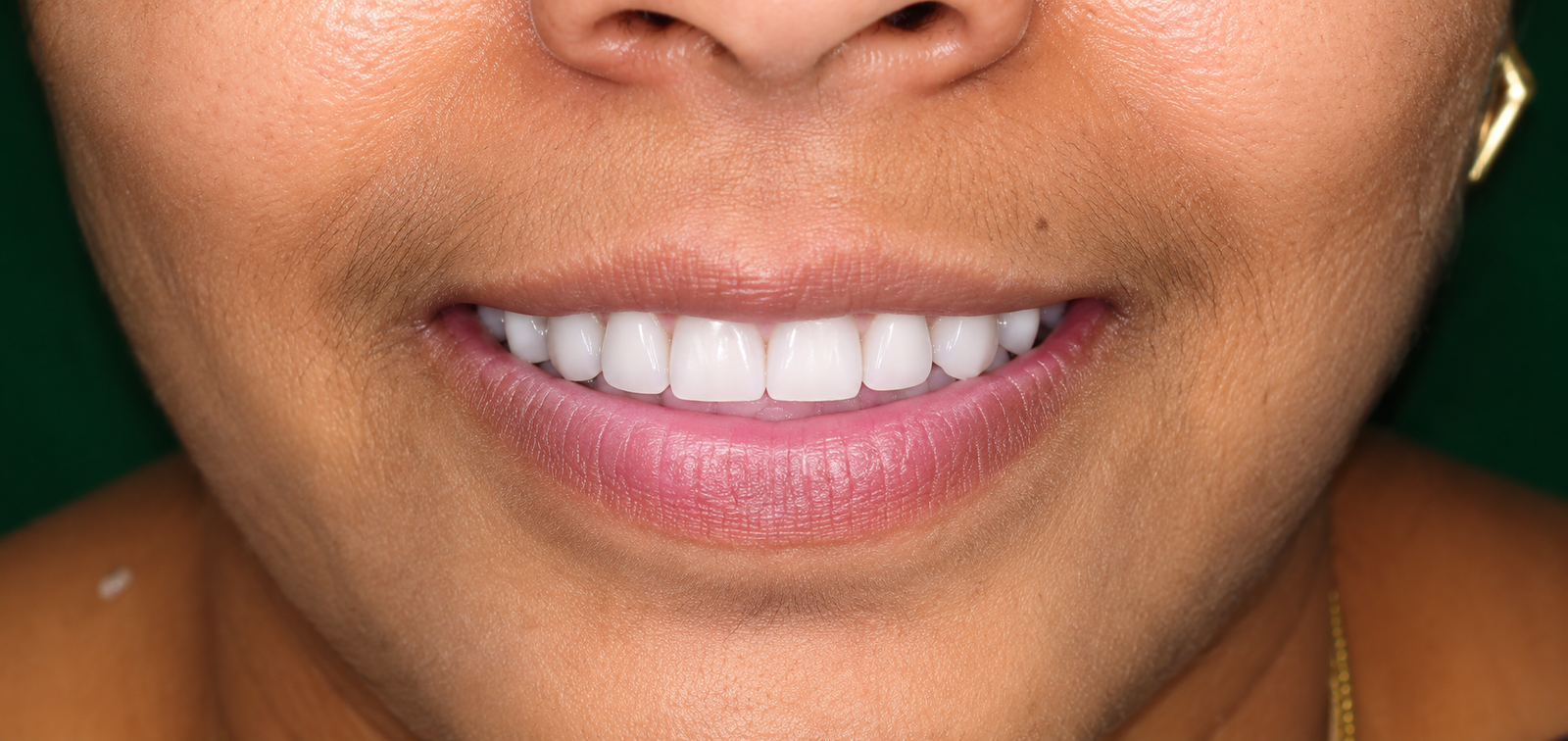
The cornerstone of Hollywood smiles. These are ultra-thin, custom-made ceramic shells bonded to the front surface of the teeth to alter their color, shape, size, or length instantly.
Gingival (Gum) Contouring
If you have a "gummy smile" or uneven gum lines, we use precision dental lasers to safely sculpt and lift the gum tissue, revealing more of the natural tooth crown.
Composite Bonding
A highly conservative, single-visit procedure where tooth-colored composite resin is sculpted directly onto the tooth to repair minor chips, close small gaps, or reshape uneven edges.
Professional Bleaching
Often the first step in a smile makeover. Teeth whitening sets a new, brighter baseline color before matching the shade of any new veneers or crowns.
Danger of DIY Enamel Filing
A dangerous social media trend involves people using nail files or sandpaper to "even out" their own teeth. Enamel does not grow back. DIY filing strips away the hardest protective layer, exposing the sensitive nerve layer, causing extreme pain, heightened decay risk, and permanent functional damage. Reshaping must only be done microscopically by a licensed dentist.
3. The Digital Workflow (Step-by-Step)
The true power of Digital Smile Designing lies in its predictability. Patients no longer have to blindly trust that the final result will look good; they get to "test drive" their new smile first.
Step 1: Clinical Photography & Scanning
During your initial consultation, we take comprehensive high-resolution photographs of your face, resting smile, and animated smile. We also capture a precise 3D digital scan of your current dental arches.
Step 2: Digital Architectural Planning
Using specialized DSD software, Dr. N Srivastava analyzes facial proportions, lip dynamics, and tooth symmetry. A 2D and subsequent 3D digital model of your ideal smile is engineered on the screen.
Step 3: The Motivational Mockup
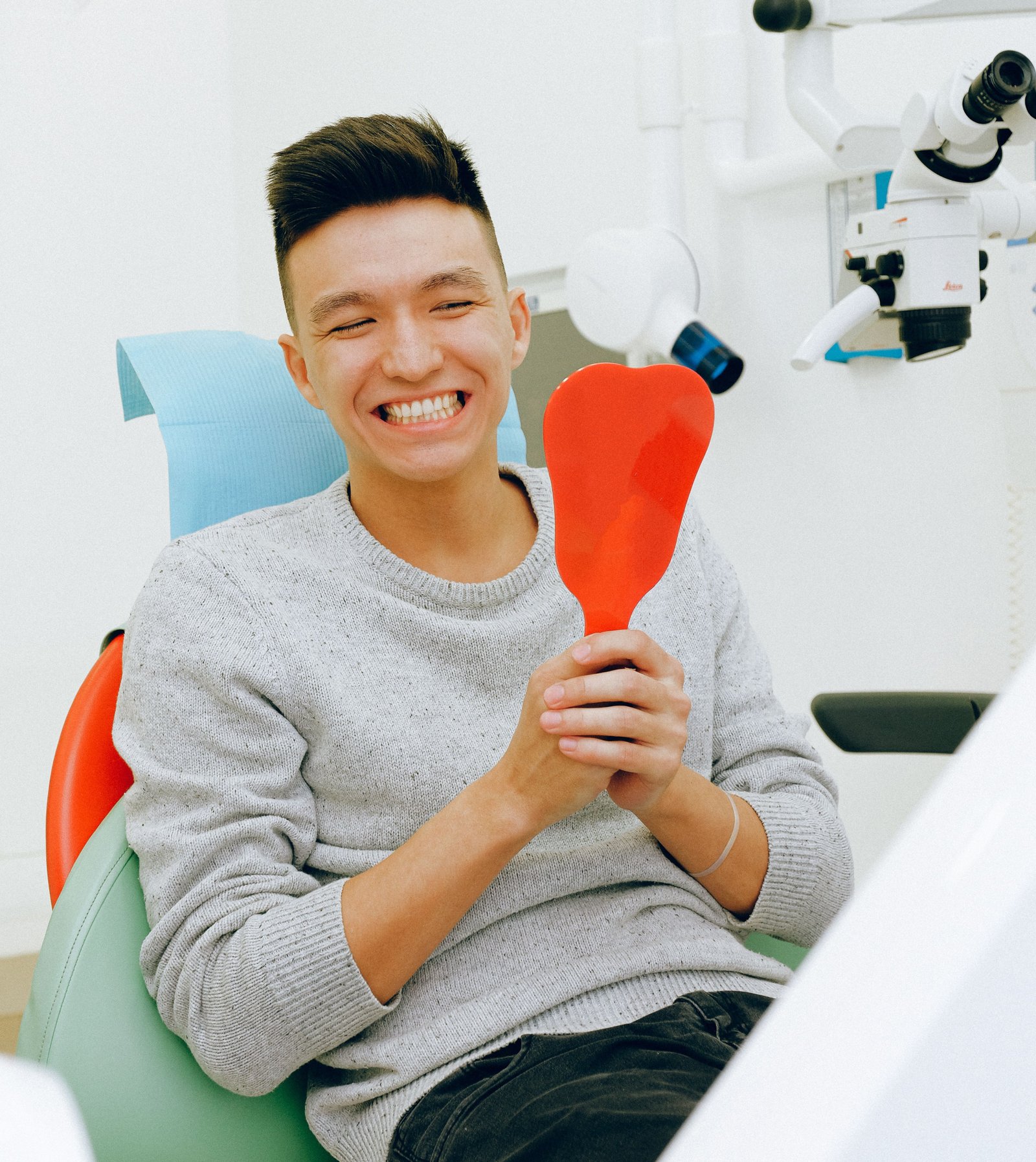
This is the most exciting phase. We transfer the digital design into a temporary physical resin template. This template is temporarily placed over your teeth. You get to look in the mirror, take photos, and actually "wear" your new smile before any teeth are touched.
Step 4: Clinical Execution & Bonding
Once you approve the mockup, the clinical work begins. Teeth are conservatively prepared, and the final high-strength ceramic restorations (veneers or crowns) are fabricated in the lab and permanently bonded to your teeth.

4. Cost of Smile Designing in Varanasi
Smile designing is a bespoke service. Because no two smiles are identical, the cost varies significantly based on the number of teeth involved and the specific materials chosen (e.g., E.max Lithium Disilicate vs. Zirconia).
| Procedure Type | Est. Cost Range (INR) | Ideal For |
|---|---|---|
| Composite Bonding (Per Tooth) | ₹2,000 - ₹4,000 | Fixing minor chips, small gaps, budget makeovers. |
| Laser Gum Contouring | ₹5,000 - ₹12,000 | Fixing gummy smiles or uneven gingival margins. |
| Premium Porcelain Veneers (Per Unit) | ₹10,000 - ₹18,000+ | Complete aesthetic transformations, severe staining, shape changes. |
Note: A full smile makeover usually involves 6 to 10 anterior (front) teeth. We offer customized packages after the digital mockup phase. Book a consultation for an exact quotation.
5. Why Choose Ayaansh Dental Clinic?
Smile designing is not a standard dental procedure; it is a highly specialized branch of Prosthodontics. At Ayaansh Dental Clinic, your smile makeover is directly engineered by Dr. N Srivastava, a qualified MDS Prosthodontist from BHU. We do not use "stock" teeth; every restoration is uniquely sculpted to match your facial dynamics, ensuring a premium, natural, and undetectable result.
6. Frequently Asked Questions
Not when done correctly by a specialist. Poorly designed veneers look bulky and opaque white. Premium DSD involves creating microscopic surface textures, mimicking natural light translucency, and selecting a shade that complements your skin tone, making them indistinguishable from natural teeth.
No. Planning and digital mockups are entirely non-invasive. When preparing teeth for veneers or crowns, we use profound local anesthesia, ensuring a completely painless experience. Post-operative discomfort is minimal and easily managed with standard analgesics.
With excellent oral hygiene, regular cleanings, and avoiding destructive habits (like opening bottles with your teeth or biting ice), premium ceramic veneers typically last 10 to 15 years, and often much longer.
Modern veneer preparations are incredibly conservative. We typically remove only 0.3mm to 0.5mm of the outermost enamel layer—roughly the thickness of an eggshell. This ensures the tooth remains structurally sound and vital.
Veneers can mask mild to moderate crowding or "crookedness", often called "instant orthodontics." However, for severe misalignment or bite issues, we will incorporate standard orthodontics or clear aligners as the first phase of your smile design.
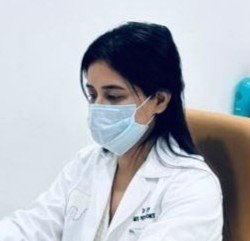
Dr. N Srivastava
AuthorBDS, MDS (BHU) • Prosthodontist & Implantologist
An expert trained at the prestigious Banaras Hindu University (BHU), Dr. N Srivastava specializes in dental implants, crown and bridge treatments, full mouth reconstructions, and cosmetic dentistry. She focuses on using advanced diagnostics and patient-first methodologies to deliver painless, premium care.