Quick Guide Summary
In this clinical guide on cosmetic dental bleaching, we deep-dive into:
1. What is Teeth Whitening?
Professional teeth whitening, clinically known as dental bleaching, is an advanced cosmetic dentistry procedure designed to lighten the natural color of your teeth without removing any of the tooth surface. It remains the most requested, conservative, and non-invasive cosmetic dental treatment globally.
At a microscopic level, tooth enamel is semi-porous. Over time, intensely pigmented molecules (chromogens) from food, beverages, and tobacco penetrate these pores and become trapped in the underlying dentin layer. Dental bleaching utilizes active oxidizing agents—typically high-concentration hydrogen peroxide or carbamide peroxide—to penetrate these pores. These active agents release oxygen molecules that react with the discolored chromogens, physically breaking their chemical bonds and scattering them, which results in a visibly whiter and brighter tooth structure.
Dental Scientific Fact
It is important to note that teeth whitening works exclusively on natural tooth enamel. Artificial materials, such as porcelain crowns, composite resin fillings, and dental veneers, will not respond to bleaching agents.
2. Causes of Tooth Discoloration
To understand how whitening works, we must first classify why teeth lose their brightness. Dental professionals categorize tooth discoloration into two main types: Extrinsic and Intrinsic stains.
Extrinsic Stains
These affect the outer enamel layer. They are usually yellow or brown and respond exceptionally well to professional bleaching.
- • Heavy consumption of dark coffee and black tea.
- • Tannin-rich beverages like red wine and colas.
- • Smoking or chewing tobacco products.
- • Highly pigmented foods (berries, curries, soy sauce).
Intrinsic Stains
These originate from within the tooth (dentin). They are often greyish and are much more challenging to treat.
- • Trauma to a tooth causing internal bleeding/necrosis.
- • Overexposure to fluoride during childhood (Fluorosis).
- • Use of tetracycline antibiotics during tooth development.
- • Natural age-related thinning of the white enamel layer.
Danger of DIY Home Remedies
We strongly advise against viral internet trends like scrubbing teeth with highly abrasive activated charcoal, or using highly acidic lemon juice mixed with baking soda. These abrasive "hacks" actively strip away the protective enamel layer. While they may temporarily scrub off surface stains, they permanently weaken the tooth, making it irreversibly sensitive and prone to aggressive, deeper staining in the future.
3. Professional In-Office vs. At-Home Whitening
When considering a brighter smile, patients generally have two reliable, clinically approved pathways. While both use peroxide-based chemistry, the concentration and application methods vary drastically.
In-Office Teeth Whitening (Chairside)
The fastest and most dramatic option available. Under strict supervision, we apply a high-concentration peroxide gel directly to the teeth. The reaction is intensely accelerated using a specialized blue LED or laser light.
Result: Up to 5-8 shades lighter in a single 60-minute appointment.
Professional Take-Home Kits
We take digital impressions of your teeth to fabricate custom-fitted plastic trays. We provide you with professional-grade, lower-concentration bleaching syringes to use safely at home. You wear the trays for 1-2 hours daily or overnight.
Result: Gradual, highly controlled whitening achieved over 10-14 days.
Note: For optimal, long-lasting results, we often recommend a combination protocol—an initial in-office "power bleach" followed by a take-home kit for maintenance.
4. Clinical Procedure Step-by-Step
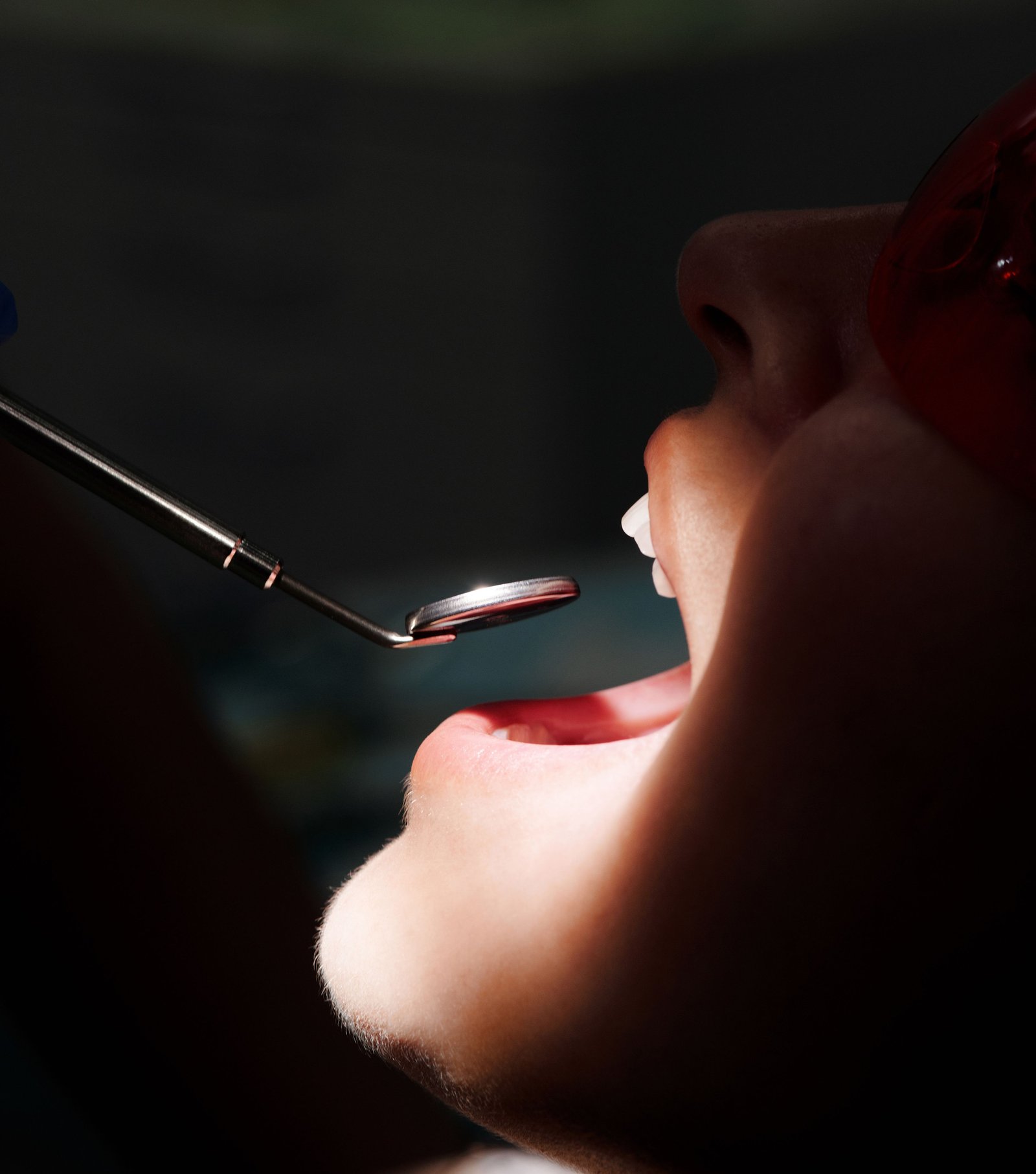
A professional in-office whitening session is a meticulously controlled medical procedure designed for maximum aesthetic impact with absolute safety. Here is what you can expect during your 60-minute chairside appointment:
Step 1: Clinical Assessment & Cleaning
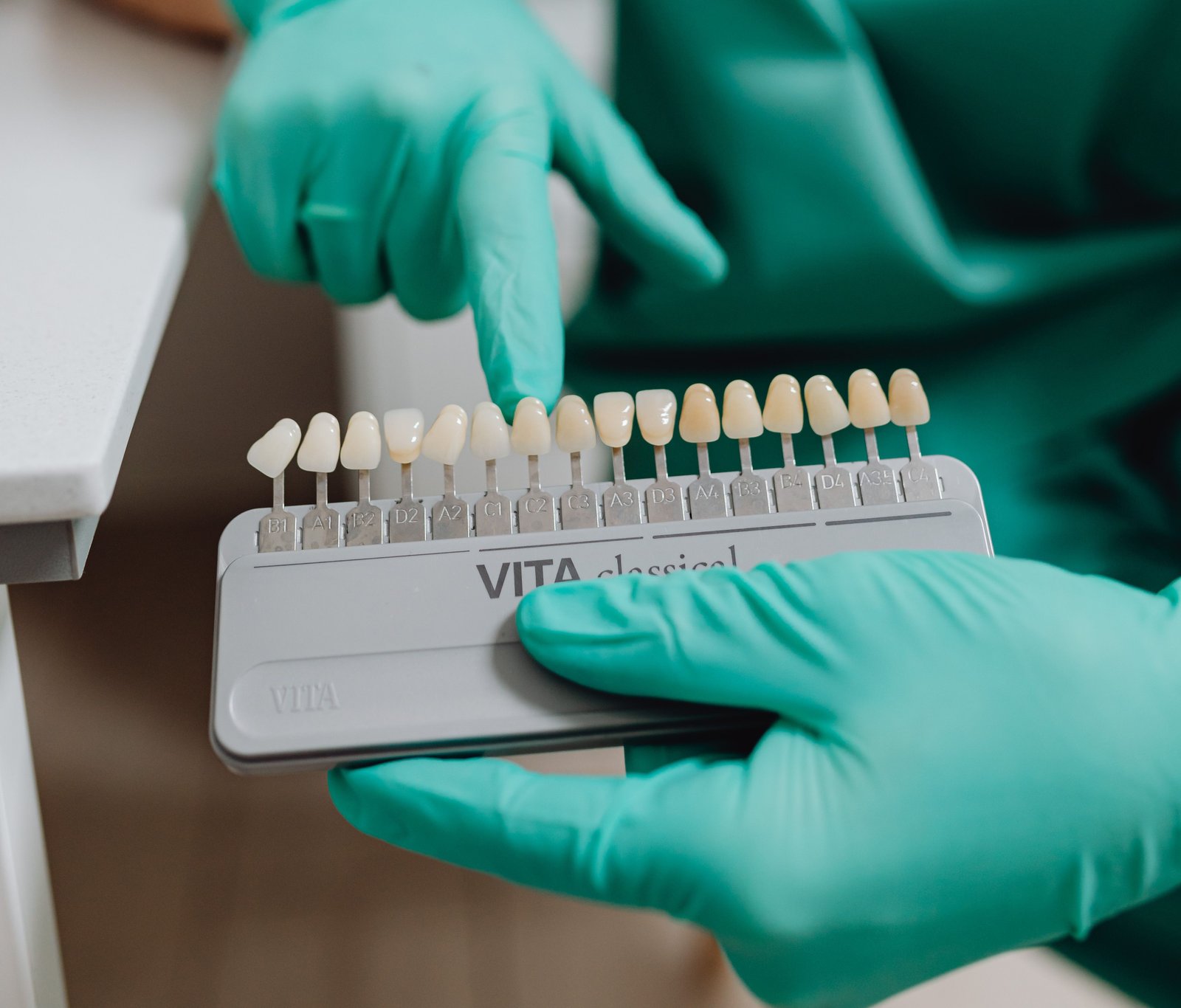
We first evaluate your enamel thickness and record your current tooth shade using a dental shade guide. A mandatory dental scaling and polishing is performed to remove plaque and tartar, ensuring the bleaching gel contacts bare enamel.
Step 2: Gingival (Gum) Protection
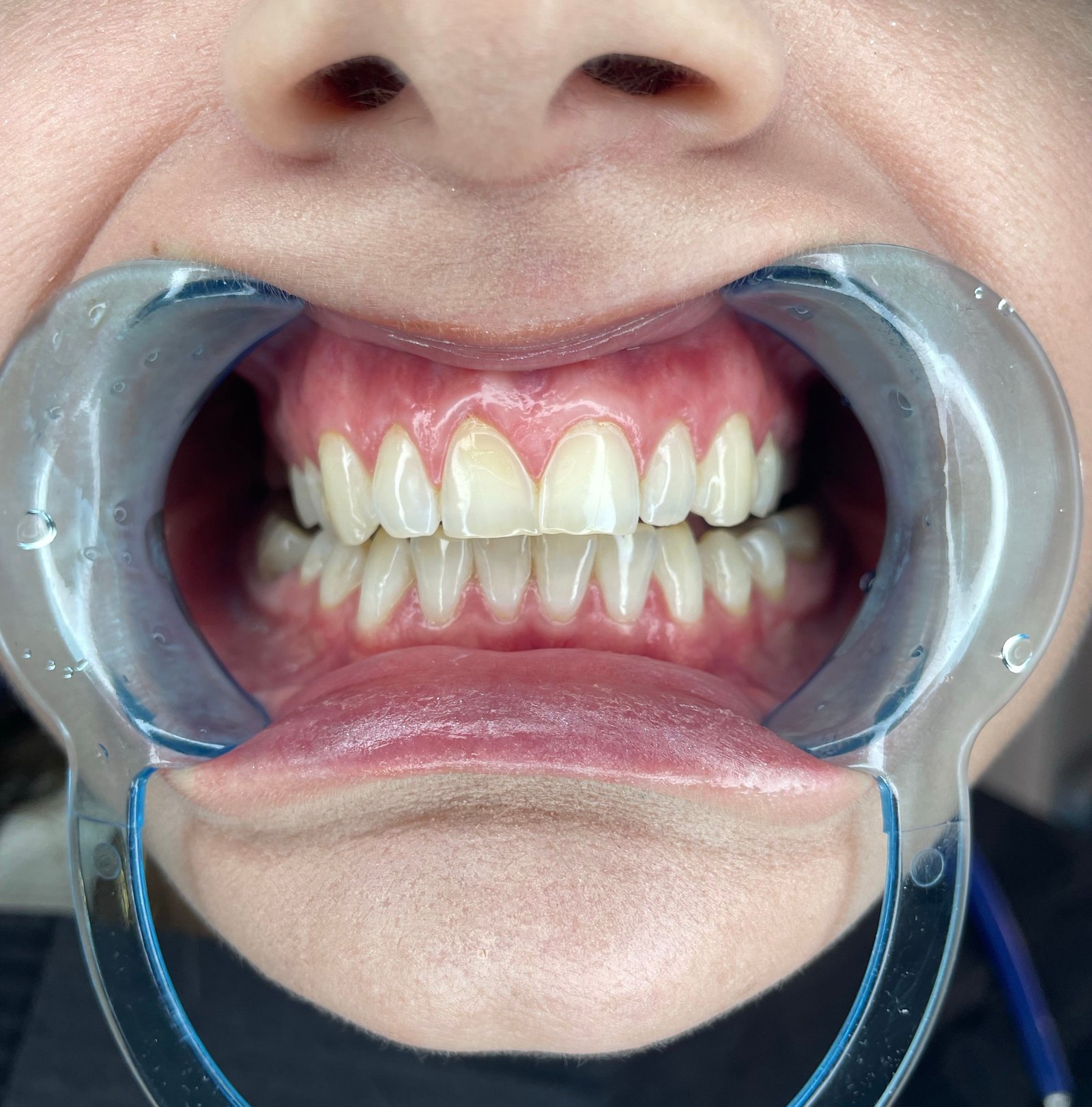
High-strength peroxide can irritate soft tissues. We insert a comfortable cheek retractor and carefully paint a light-cured resin barrier over your gums. Once hardened, this forms a protective rubber dam, completely isolating the teeth.
Step 3: Gel Application & Activation
The professional-grade whitening gel is precisely applied to the aesthetic zone of your teeth. We then position a specialized laser or LED accelerating light over your mouth. The light activates the gel, breaking down deep stains. This is done in 2 to 3 cycles of 15 minutes each.
Step 4: Rinsing & Desensitization
After the final cycle, the gel and gum barrier are gently washed away. We then apply a concentrated fluoride or potassium nitrate varnish. This immediately rehydrates the teeth, remineralizes the enamel, and dramatically minimizes post-treatment sensitivity.
5. Is Teeth Whitening Safe? (Handling Sensitivity)
Yes, professional teeth whitening is FDA and ADA-approved and is entirely safe when performed under the supervision of a licensed dentist. It does not shave down, thin, or permanently damage your enamel.
However, the most common, expected side effect is temporary dentinal hypersensitivity. Because the bleaching process opens up the microscopic pores in your enamel to flush out stains, the underlying nerve endings become temporarily exposed to temperature changes. You may experience brief "zing" sensations or mild cold sensitivity for 24 to 48 hours following the procedure.
How We Minimize Sensitivity at Ayaansh:
- Using premium gels formulated with built-in desensitizers (Amorphous Calcium Phosphate).
- Customizing the peroxide concentration based on your specific enamel thickness.
- Providing a mandatory post-bleach deep fluoride therapy session.
- Prescribing specialized anti-sensitivity toothpaste for the week following treatment.
6. Cost of Teeth Whitening in Varanasi
The cost of professional teeth whitening in Varanasi depends heavily on the specific brand of bleaching system used (e.g., Philips Zoom!, PolaOffice) and whether you opt for in-clinic treatments or custom take-home trays.
| Whitening System | Est. Cost Range (INR) | Ideal For |
|---|---|---|
| Custom Take-Home Kit | ₹4,000 - ₹6,000 | Gradual whitening, managing mild stains, budget-friendly. |
| Standard In-Office Bleach | ₹7,000 - ₹10,000 | Immediate results for weddings, events, moderate coffee/tea stains. |
| Premium Laser (e.g., Zoom!) | ₹12,000 - ₹16,000+ | Maximum shade lift, heavy tobacco stains, fastest treatment time. |
Note: Prices are estimates. A mandatory scaling and polishing is usually required prior to whitening to ensure even results, which may be billed separately. Contact us for an exact quotation.
7. Aftercare: The "White Diet"
For the first 48 hours following a professional whitening session, the microscopic pores in your enamel remain slightly open, making your teeth act like sponges. To lock in your bright new shade, you must strictly follow the "White Diet."
STRICTLY AVOID (48 Hours)
If it can stain a white shirt, it will stain your teeth.
- • Coffee, dark tea, and dark sodas.
- • Red wine and dark fruit juices.
- • Turmeric, soy sauce, and tomato-based sauces.
- • Smoking, vaping, or chewing tobacco.
- • Colored mouthwashes (blue/green).
SAFE TO CONSUME
Stick to colorless, non-acidic foods and liquids.
- • Plain water, milk, and clear coconut water.
- • White rice, pasta with white sauce, and bread.
- • Chicken, white fish, and tofu.
- • Cauliflower, peeled potatoes, and white onions.
- • Bananas, peeled apples, and white yogurt.
8. Why Choose Ayaansh Dental Clinic?
When it comes to cosmetic dentistry, precision is everything. At Ayaansh Dental Clinic, treatments are spearheaded by Dr. N Srivastava, an MDS specialist from BHU. We use only internationally certified, cold-chain-stored bleaching materials to guarantee that the active chemistry is potent, safe, and capable of delivering premium aesthetic results without compromising your enamel's structural integrity.
9. Frequently Asked Questions
Results typically last between 6 months to 2 years. Longevity depends entirely on your lifestyle habits. Frequent consumption of coffee, red wine, or tobacco will cause stains to return much faster. Using custom maintenance trays every few months can help prolong the results.
No. Whitening agents only oxidize stains inside natural tooth enamel. Porcelain crowns, composite fillings, and veneers are immune to bleaching. If you whiten your natural teeth significantly, your older artificial restorations may look mismatched and might need replacement to match your new shade.
As a precautionary medical standard, cosmetic teeth whitening is not recommended for pregnant or breastfeeding women. We advise postponing cosmetic elective procedures until after delivery and weaning.
OTC strips use a very low concentration of peroxide ($3\text{-}6\%$) compared to professional gels ($35\%$). While they may slightly brighten mild stains over a long period, they cannot match the deep stain removal of clinical systems. Furthermore, ill-fitting strips often leak gel onto the gums, causing chemical burns.
Yes, but the protocol must be adjusted. We may recommend starting a desensitizing toothpaste regimen two weeks before treatment. We will also use a lower concentration bleaching gel or opt for a controlled take-home kit rather than an aggressive 1-hour laser session.
Deep intrinsic stains from childhood antibiotics (grey/brown banding) are highly resistant to standard bleaching. While extended whitening protocols (months of tray use) can lighten them somewhat, the most definitive cosmetic solution for severe tetracycline staining is usually porcelain veneers.
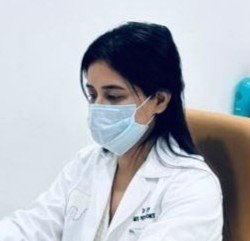
Dr. N Srivastava
AuthorBDS, MDS (BHU) • Prosthodontist & Implantologist
An expert trained at the prestigious Banaras Hindu University (BHU), Dr. N Srivastava specializes in dental implants, crown and bridge treatments, full mouth reconstructions, and cosmetic dentistry. She focuses on using advanced diagnostics and patient-first methodologies to deliver painless, premium care.