Quick Guide Summary
In this clinical guide on professional prophylaxis, we deep-dive into:
1. What is Dental Scaling?
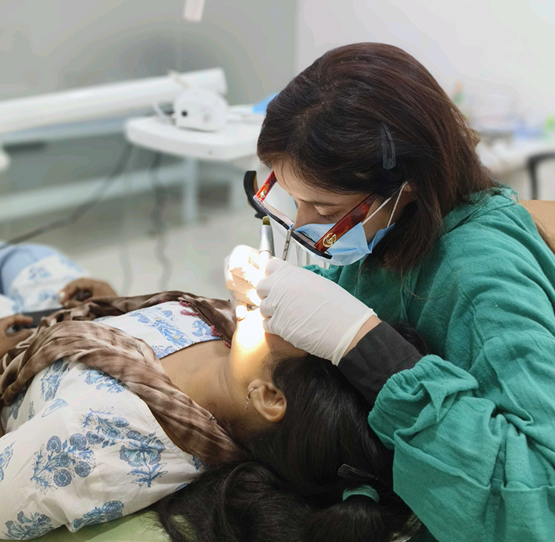
Professional dental scaling, clinically designated as oral prophylaxis, is a specialized therapeutic non-surgical procedure performed to eliminate plaque biofilm, supragingival and subgingival calculus (tartar), and pathological debris from tooth surfaces.
While routine tooth brushing and flossing are highly effective for managing soft supragingival plaque, they are entirely ineffective against hardened mineralized deposits. Salivary minerals such as calcium and phosphate ions continuously deposit into older plaque matrix structures, causing them to crystalize into solid mineralized calculus within approximately 24 to 72 hours. Once this calcification process completes, mechanical removal via high-frequency professional instruments becomes a biological necessity to prevent irreversible periodontal degradation.
Dental Scientific Fact
Supragingival calculus forms above the gumline and is visible as yellow or brown deposits. Subgingival calculus, however, forms deep inside periodontal pockets, harboring highly toxic anaerobic bacteria that trigger localized tissue destruction and alveolar bone loss.
2. Why is Scaling Necessary?
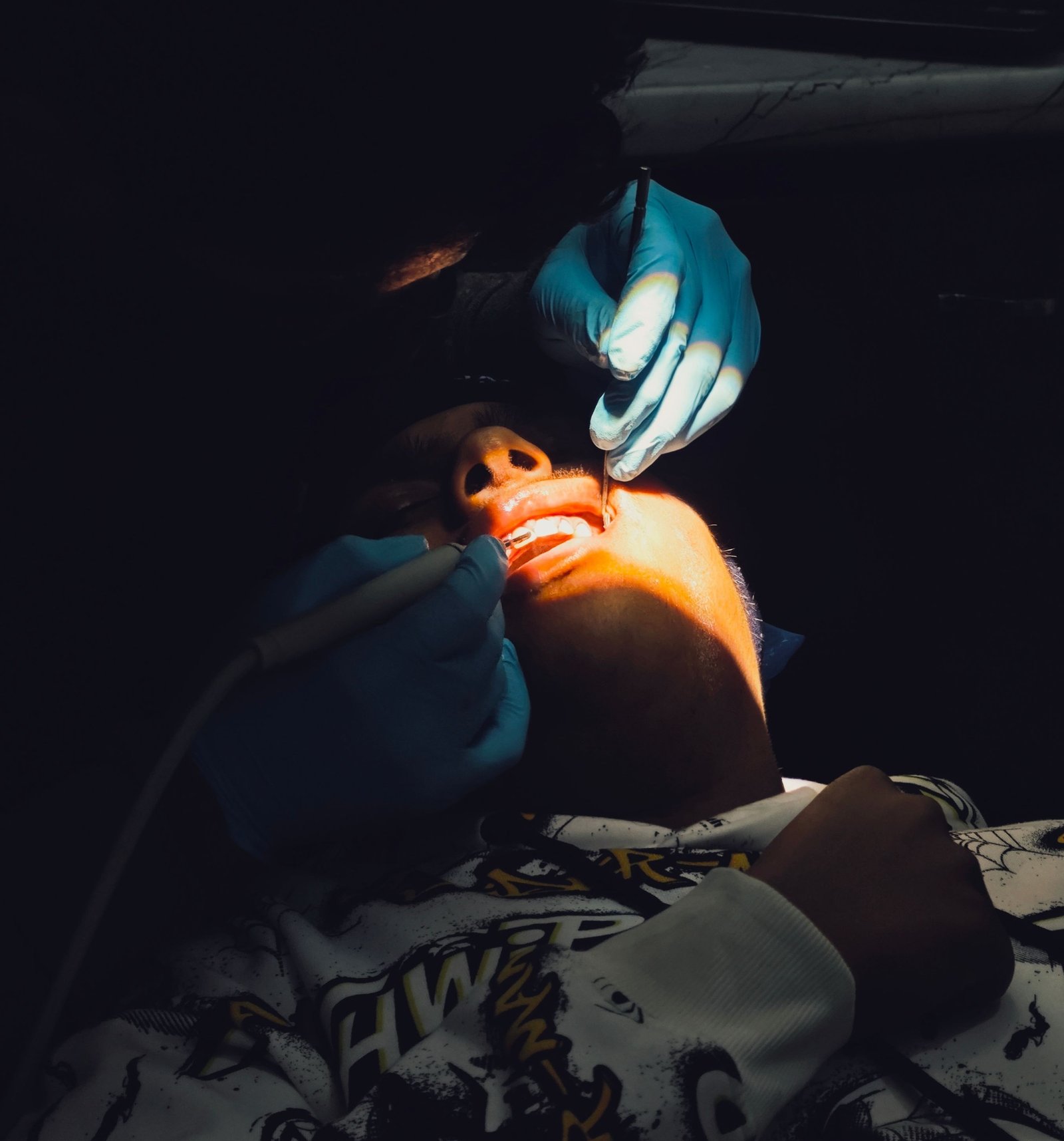
Neglecting mineralized calculus leads to a series of progressive pathological shifts in the soft tissues supporting the teeth. As calculus builds up, it creates an extremely rough microscopic topography that acts as an ideal nesting ground for pathogenic bacterial colonies, primarily Porphyromonas Gingivalis and Prevotella Intermedia.
The human immune system attempts to clear these bacterial infestations by increasing localized vascular perfusion, leading to classic signs of Gingivitis—characterized by swelling, erythema, and bleeding of the gums during regular brushing or mastication. If left untreated, gingivitis progresses into chronic Periodontitis. During this stage, the attachment fibers securing the gums to the teeth disintegrate, forming deeper periodontal pockets. This allows subgingival bacteria to attack the underlying alveolar bone, leading to tooth mobility and, ultimately, spontaneous tooth exfoliation.
Pathological Warning Box
Neglecting tartar deposits causes severe systemic and local issues, including:
- Progressive Gum Disease (Gingivitis to Periodontitis)
- Chronic Halitosis (Persistent bad breath from anaerobic sulfur gases)
- Irreversible Alveolar Bone Loss and Tooth Mobility
- Increased Systemic Risks (Cardiovascular plaque and diabetic imbalance)
Difference Between Scaling and Polishing
Many patients mistake scaling and polishing as the same procedure. However, they serve entirely different clinical goals:
Dental Scaling
Focuses on the mechanical fragmentation and debridement of hard, mineralized calculus deposits from the supragingival enamel and subgingival root structures.
Dental Polishing
A secondary cosmetic and preventive phase that uses abrasive prophylaxis paste and rubber cups to smooth microscopic irregularities, eliminate extrinsic stains, and retard future bacterial biofilm adhesion.
3. Medical Benefits of Professional Scaling
The benefits of regular Scaling & Polishing go far beyond achieving a clean, white smile. It plays an active role in maintaining both your oral and systemic health:
Reverses Early Gum Inflammation
By completely removing biological irritants and bacterial plaque, scaling immediately relieves swelling and heals bleeding gums.
Eradicates Chronic Bad Breath
Anaerobic bacteria hiding inside plaque release volatile sulfur compounds that cause severe halitosis. Scaling resolves this issue at its root source.
Protects Systemic Vital Health
Clinical research directly connects periodontal diseases to systemic conditions. Scaling reduces local bacteremia, helping lower risks for heart disease, strokes, and diabetic complications.
Removes Extrinsic Stains
Eliminates persistent stains from tea, coffee, wine, and tobacco, instantly brightening your enamel surface without using chemical bleaching agents.
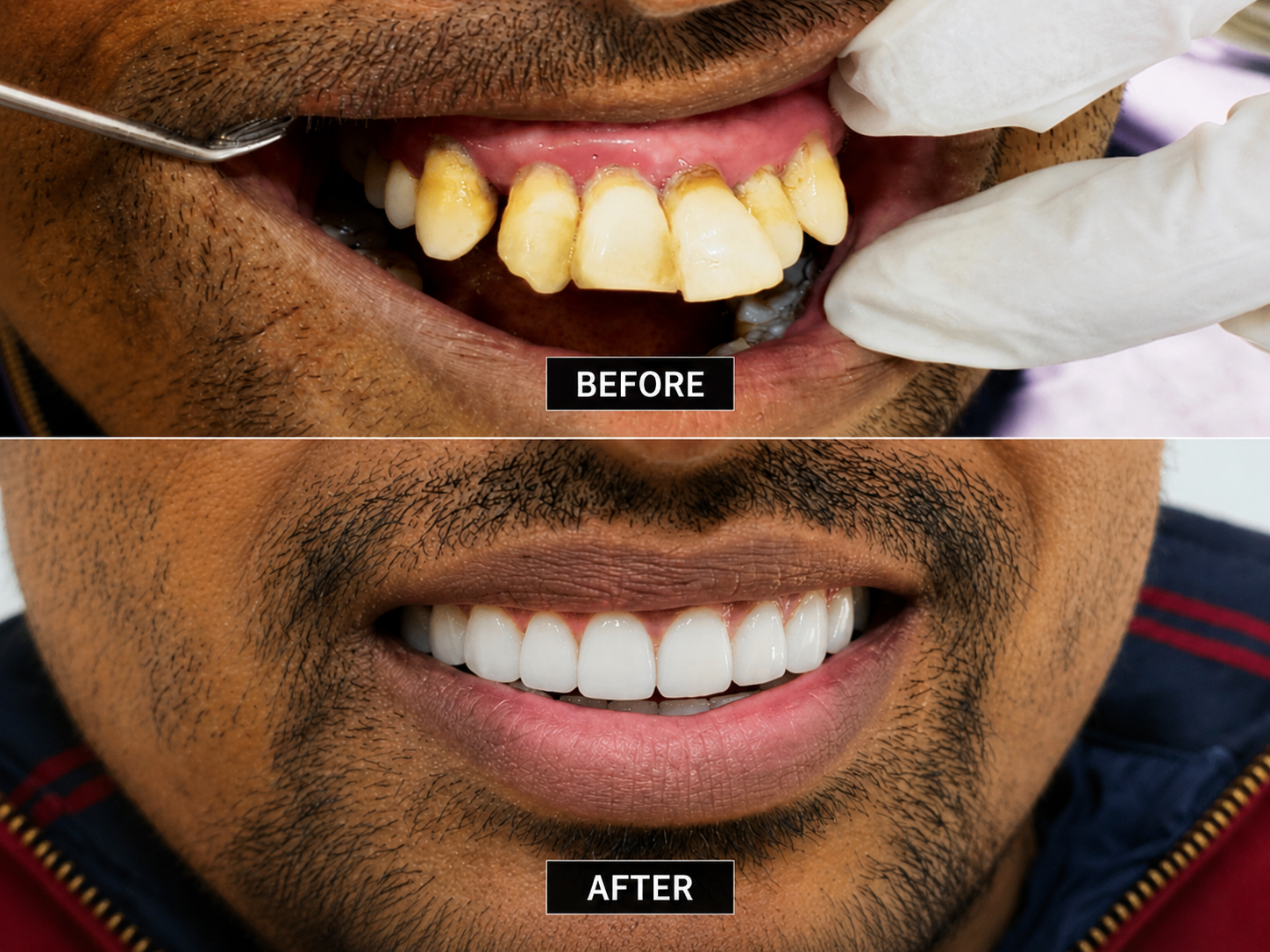
Before vs. After Clinical Expectations
Active Disease State
- • Heavy yellow-brown supragingival tartar.
- • Bleeding and painful gums when flossing.
- • Bacterial volatile sulfur gases (Halitosis).
- • Inflamed, reddish, and swollen gum pockets.
Healthy Post-Treatment State
- • Smooth, clean enamel surfaces.
- • Gums heal and stop bleeding.
- • Fresh breath and eliminated sulfur gases.
- • Gums tighten and reattach firmly to teeth.
4. Clinical Procedure Step-by-Step
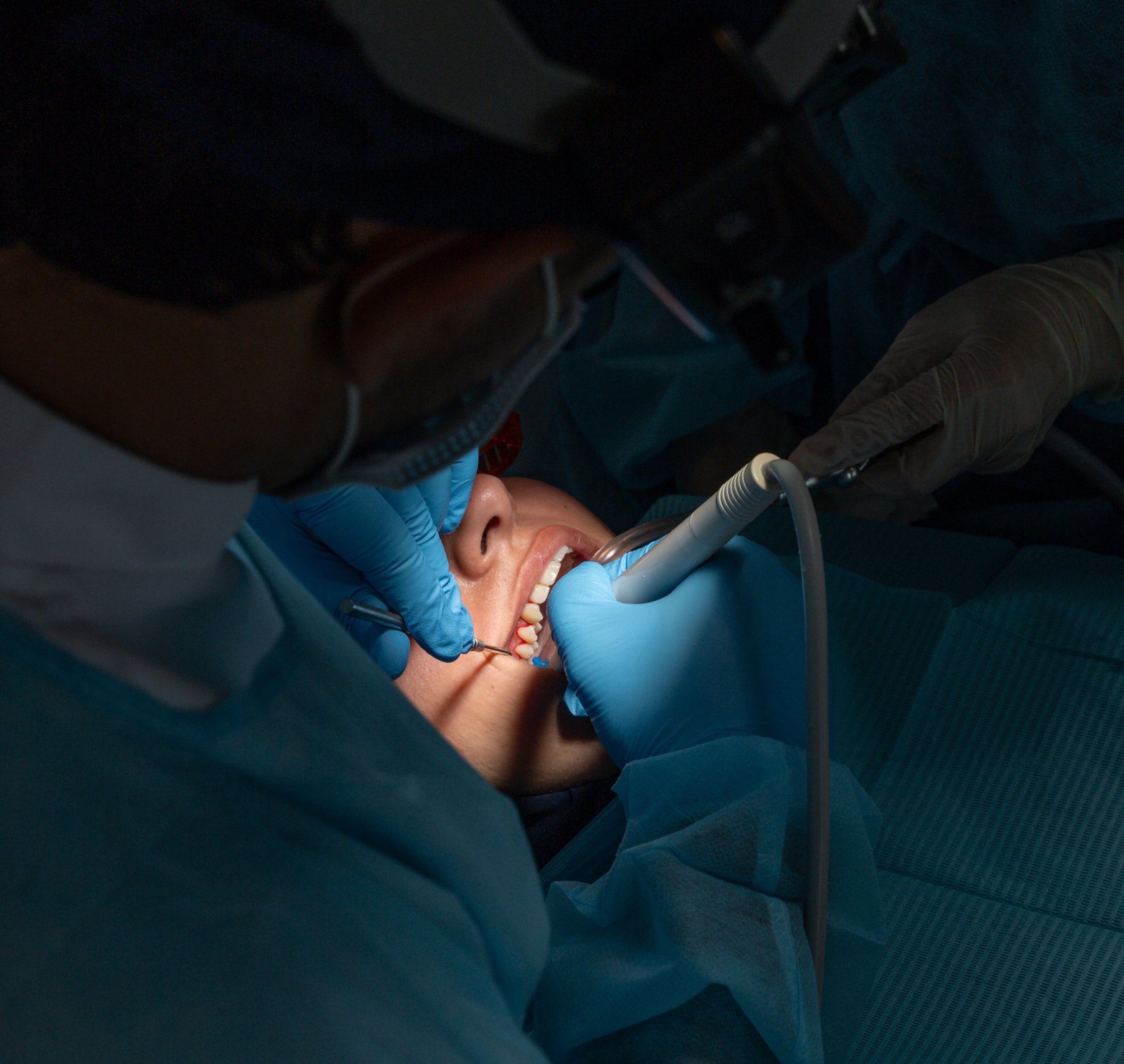
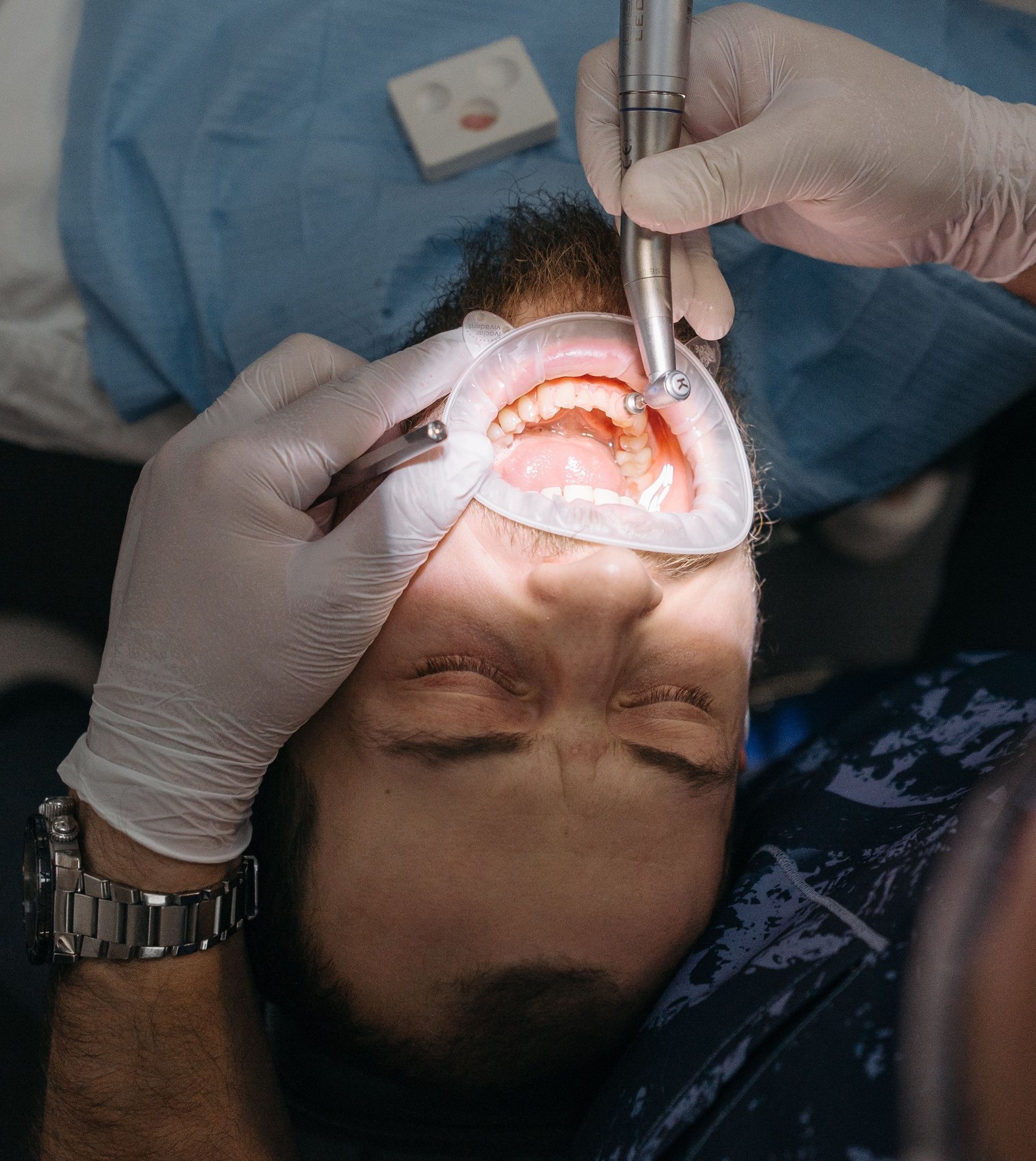
Understanding what happens during a professional dental scaling session can completely eliminate any procedural anxiety. The treatment is systematically divided into precise phases designed to prioritize clinical precision and patient comfort:
Step 1: Clinical Examination & Diagnosis
We utilize intraoral cameras and periodontal probes to measure bone levels, assess pocket depths, and map all active calculus deposits.
Step 2: Ultrasonic Scaling
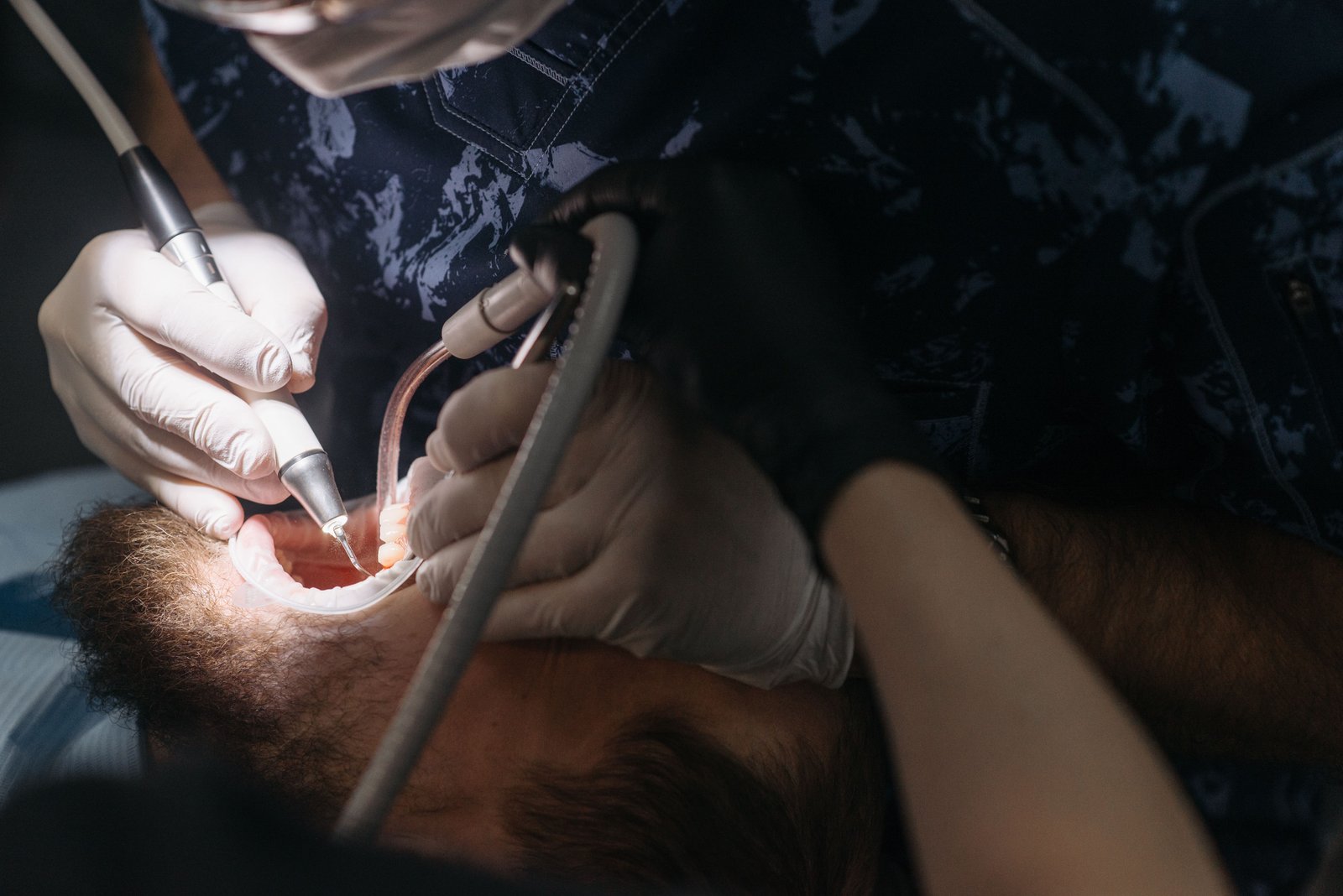
Advanced piezoelectric scaling tips vibrating at high frequencies (25,000 to 45,000 Hz) instantly shatter tough tartar blocks. A microscopic cooling water jet flushes away the fragmented plaque and neutralizes harmful bacteria.
Step 3: Fine Hand Scaling & Root Planing
Using highly specialized Gracey curettes, our specialists manually plane microscopic root surfaces beneath the gumline. This creates a completely smooth root surface that prevents future plaque accumulation.
Step 4: Mechanical Prophy Polishing
We apply specialized fluoridated abrasive prophylaxis paste using a rotating rubber polishing cup to remove any remaining microscopic stains and make your enamel smooth and glossy.
Step 5: Topical Fluoride Therapy (Optional)
If you present with high sensitivity or a high cavity rate, we apply a professional-grade topical fluoride gel or varnish to instantly promote enamel remineralization and block open dentinal tubules.
5. Is Scaling Painful?
One of the most persistent concerns among patients is whether dental scaling is a painful experience. In reality, scaling is highly comfortable and virtually painless for the vast majority of individuals.
What patients typically feel is not pain, but rather a mild vibrational sensation accompanied by a cool water spray on the teeth. If you have healthy gums, you will likely experience zero discomfort throughout the entire process.
However, if you have inflamed gums (from advanced gingivitis or periodontitis), your gums may feel slightly tender. In cases with deep subgingival pockets, our specialists prioritize your comfort by applying an anesthetic gel or administering a mild local numbing agent. This completely blocks any potential pain signals, ensuring a stress-free and relaxing visit.
Debunking Major Scaling Myths
Myth 1: "Scaling removes the natural enamel layers and makes teeth weak."
Clinical Fact: Ultrasonic tips are rounded and use high-frequency vibrations, not sharp blades. They are carefully calibrated to only shatter external tartar without affecting the incredibly hard structure of your natural enamel.
Myth 2: "Scaling causes wide gaps to form between the teeth."
Clinical Fact: When heavy tartar buildup is removed, the pre-existing gaps previously hidden under the infected buildup are simply exposed. Scaling does not create any new gaps; it merely allows your gums to heal and start reclaiming that empty space.
6. Cost of Dental Scaling in Varanasi
The cost of dental scaling and polishing in Varanasi is highly affordable and represents a vital, cost-saving investment in your long-term health. Regularly scheduled preventive scaling is far more economical than treating complex, advanced gum diseases or replacing teeth lost to bone destruction.
| Treatment Type | Est. Cost Range (INR) | Clinical Indication |
|---|---|---|
| Routine Scaling & Polishing | ₹1,000 - ₹2,000 | Mild plaque buildup, routine biannual prophylaxis. |
| Deep Scaling (Root Planing) | ₹2,000 - ₹3,500 | Moderate to heavy tartar, early-stage gum disease treatment. |
| Periodontal Pocket Therapy | ₹3,500+ | Advanced pocket management, localized antibiotic therapy. |
Note: The estimated fees listed above depend on the severity of your calculus buildup and whether you require advanced subgingival root planing. Schedule an appointment at Ayaansh Dental Clinic for a personalized diagnostic quote.
7. Post-Treatment Recovery & Aftercare
Immediately after your scaling appointment, your teeth may feel slightly sensitive, and your gums might have mild tenderness for about 24 to 48 hours. This is completely normal as the gum tissues adjust and begin to heal.
What You SHOULD Do
- • Rinse with warm saltwater three times daily to soothe your gums.
- • Use a soft-bristled toothbrush and a specialized desensitizing toothpaste.
- • Gently brush and floss to prevent new soft plaque from forming.
- • Drink lukewarm water instead of extremely hot or cold beverages.
What You SHOULD NOT Do
- • Avoid highly acidic foods, citrus fruits, and spicy dishes for 48 hours.
- • Stay away from hard, crunchy, or sticky foods that can irritate tender gums.
- • Strictly avoid smoking or using tobacco products during the healing phase.
- • Do not brush your teeth with excessive pressure or force.
8. Why Choose Ayaansh Dental Clinic?
At Ayaansh Dental Clinic, we are dedicated to providing the highest standard of dental care in Varanasi. Guided by BHU alumni expertise, our team combines clinical precision, advanced technology, and compassionate care to keep your smile healthy and vibrant.
MDS Specialists
Treatments are led by qualified MDS Prosthodontists and Implantologists from BHU.
Advanced Technology
We use state-of-the-art piezo ultrasonic scalers to minimize vibrations and maximize your comfort.
Elite Sterilization
We follow strict international sterilization standards, including Class-B autoclaving for 100% safety.
9. Frequently Asked Questions
No. Scaling removes heavy tartar blocks that accumulate around the necks of teeth. When this buildup is removed, you might feel a temporary sensation of loose teeth. Over the next few weeks, your gums heal and tighten back around your teeth, offering firmer support.
Most individuals benefit from professional scaling and polishing once every 6 months. However, patients with a history of active gum disease, diabetes, or braces may require check-ups every 3 to 4 months.
No, scaling is virtually painless. You will feel a mild vibrational sensation and a cooling water spray. If your gums are particularly sensitive or inflamed, we apply a gentle topical anesthetic gel to ensure a comfortable visit.
Yes, absolutely. Bad breath is primarily caused by sulfur-producing anaerobic bacteria that hide in tartar pockets. Removing this calcified buildup eliminates the source of the bacteria, significantly improving your breath.
Yes, dental polishing uses a specialized fluoridated prophylaxis paste to safely remove extrinsic stains caused by coffee, tea, red wine, and tobacco, restoring your teeth's natural brightness.
A routine scaling and polishing session typically takes between 30 to 45 minutes, depending on the amount of tartar buildup and stain levels.
Standard scaling cleans the visible crown portion of the teeth. Deep cleaning (root planing) goes beneath the gumline to clean root surfaces and deep pockets, which is necessary to treat moderate to advanced gum disease.
Yes, you can eat shortly after scaling, but we recommend waiting at least 30 minutes if you received a topical fluoride treatment. Avoid hot, cold, or highly spicy foods for the first 24 hours to prevent irritation.
No, our ultrasonic equipment is carefully operated by skilled specialists. We bypass direct abrasive vibration on crowns or veneers, preserving their integrity while safely cleaning the surrounding gums.
Yes, scaling is highly recommended during pregnancy. Hormonal shifts can increase the risk of pregnancy gingivitis. Keeping your gums clean and healthy is safe and benefits both you and your baby.

Dr. N Srivastava
AuthorBDS, MDS (BHU) • Prosthodontist & Implantologist
An expert trained at the prestigious Banaras Hindu University (BHU), Dr. N Srivastava specializes in dental implants, crown and bridge treatments, full mouth reconstructions, and cosmetic dentistry. She focuses on using advanced diagnostics and patient-first methodologies to deliver painless, premium care.
Read More
Related Clinical Insights
Teeth Whitening: Myths vs. Clinical Reality
Learn the clinical difference between professional cosmetic whitening and over-the-counter trends.
Read Article →Digital Smile Designing: Crafting Your Perfect Look
How modern digital planning allows us to preview your dream smile before any treatment begins.
Read Article →Debunking the Myth: Painless Root Canal Treatments
Discover how modern rotary endodontics have made RCT as comfortable as a standard filling.
Read Article →Why Dental Implants are Considered the Gold Standard
Discover why dental implants offer a permanent, natural-looking replacement solution for missing teeth.
Read Article →Ready to Transform Your Smile?
Premium Dental Care by BHU Alumni in Varanasi.