Quick Guide Summary
In this comprehensive medical guide to Root Canal Treatment (RCT), we explore:
1. What is Root Canal Treatment (RCT)?
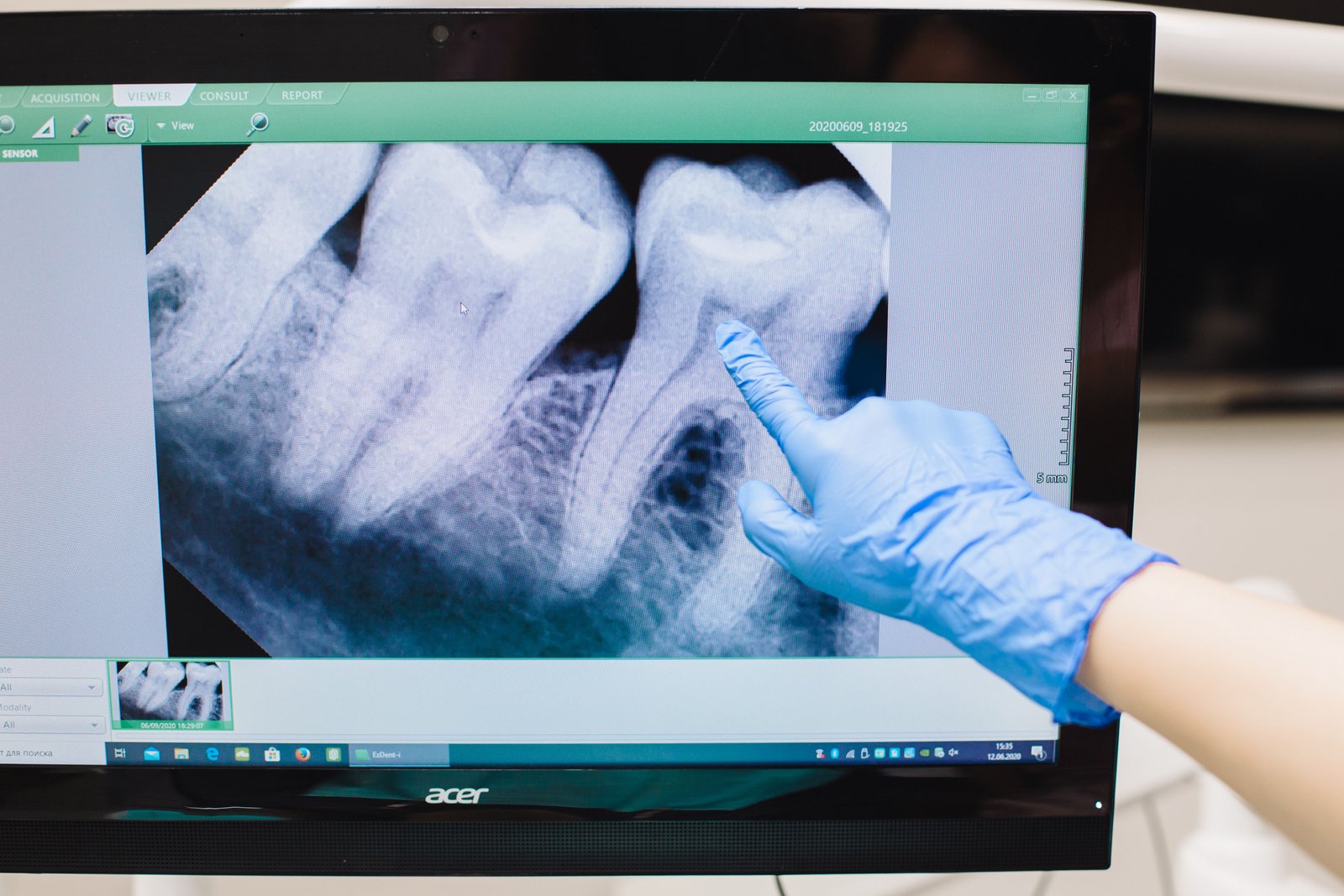
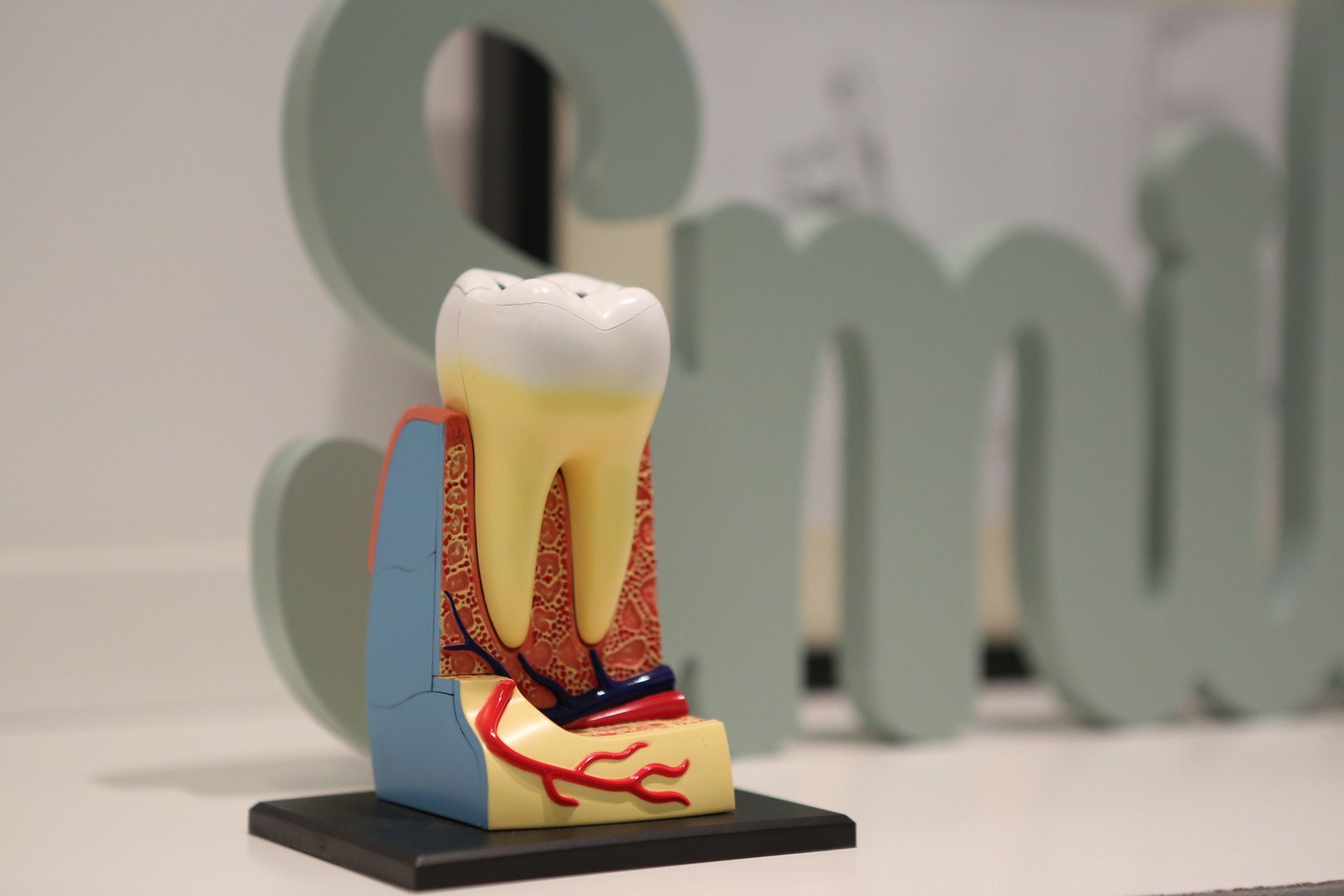
Root Canal Treatment is a specialized endodontic procedure used to save a natural tooth that has been severely damaged due to deep decay, infection, or trauma. At the center of every tooth, beneath the hard white enamel and underlying dentin, is a hollow space called the pulp chamber. This chamber contains nerves, connective tissue, and blood vessels. When bacteria penetrate this chamber, the tissue becomes infected and inflamed.
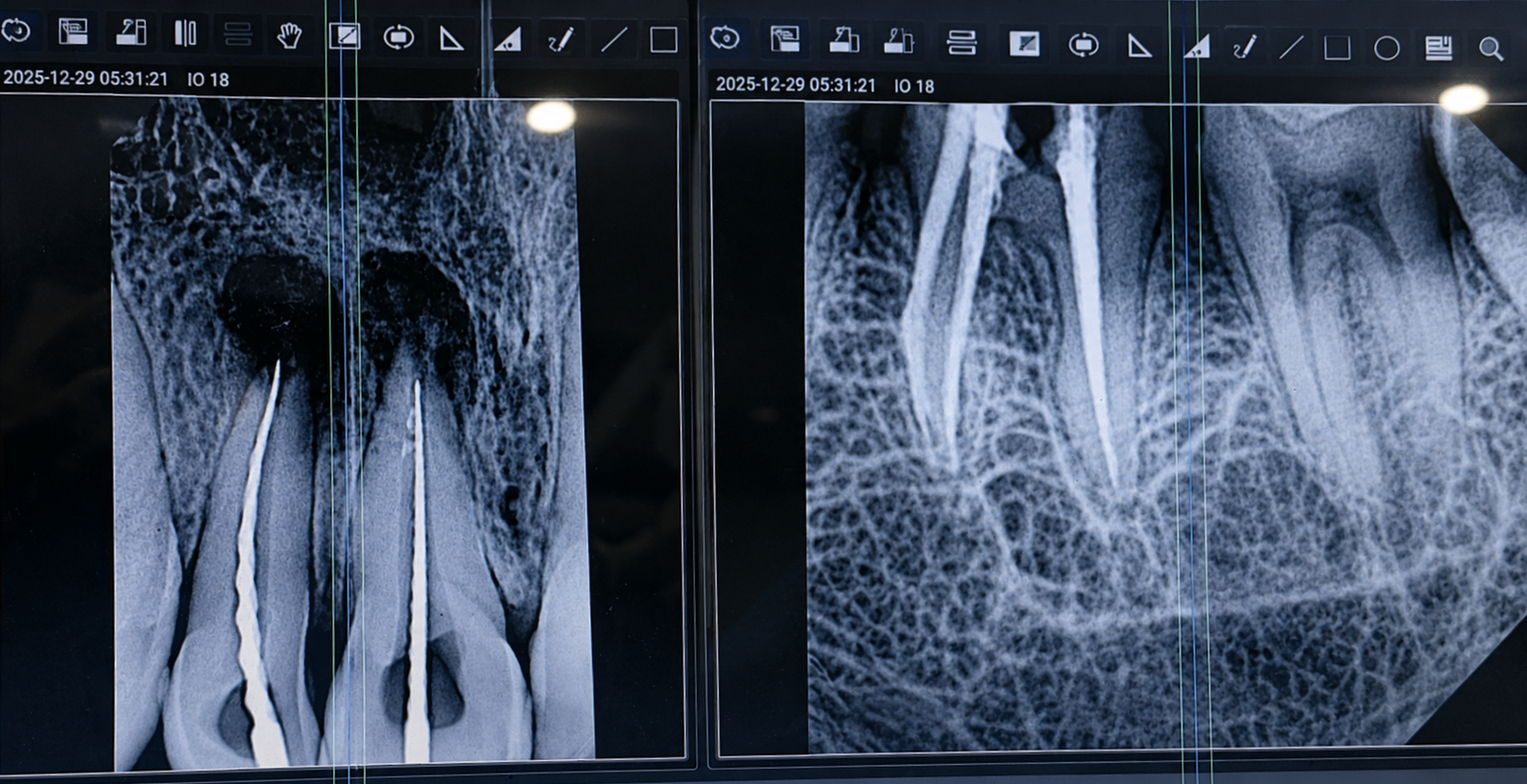
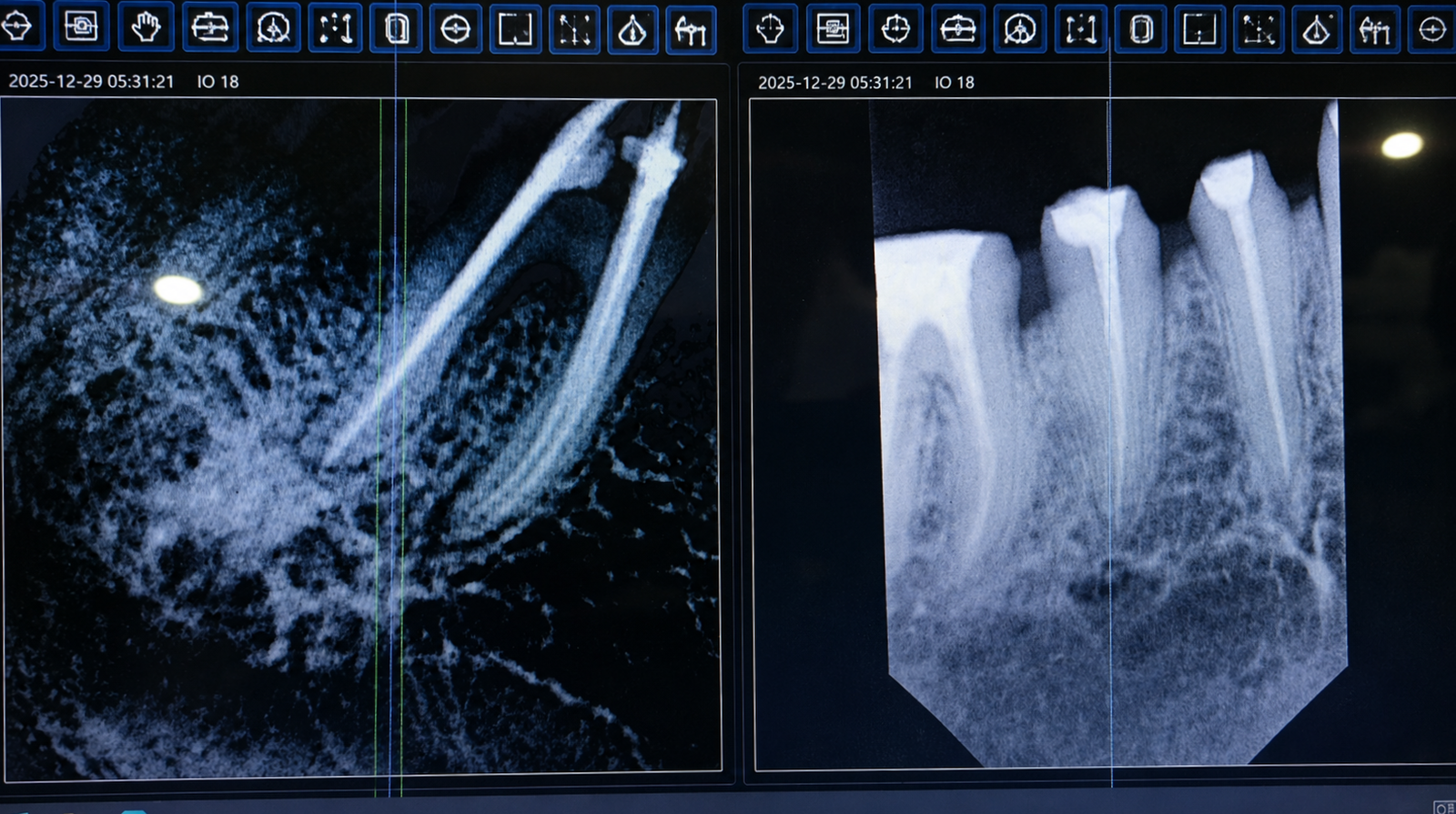
RCT involves the mechanical cleaning, shaping, and disinfection of this inner pulp space. Once sterile, the empty canals are filled with a biocompatible material called gutta-percha, effectively "sealing" the tooth and preventing future infection. This allows us to keep your natural tooth in place, preserving your bone and bite stability for years.
2. When Do You Need a Root Canal?
The need for a root canal isn't always marked by extreme agony. In fact, many infections are chronic and insidious. However, patients typically present with these clinical indicators:
Active Warning Signs
- • Lingering Sensitivity: Severe, sharp pain to hot or cold that persists for minutes after the temperature stimulus is removed.
- • Biting Pain: Intense pain when you bite down or apply pressure on a specific tooth.
- • Swelling: A tender or pimple-like bump (abscess) on the gums near the base of the tooth.
Silent Clinical Indicators
- • Darkening: A tooth that is turning grey or black, often indicating the internal nerve has died.
- • Deep Decay: A radiograph revealing that decay has breached the pulp chamber, even if it doesn't hurt *yet*.
- • Trauma: A cracked or chipped tooth that extends into the pulp, exposing it to oral bacteria.
3. Modern Endodontics: Why "Painless" is Real
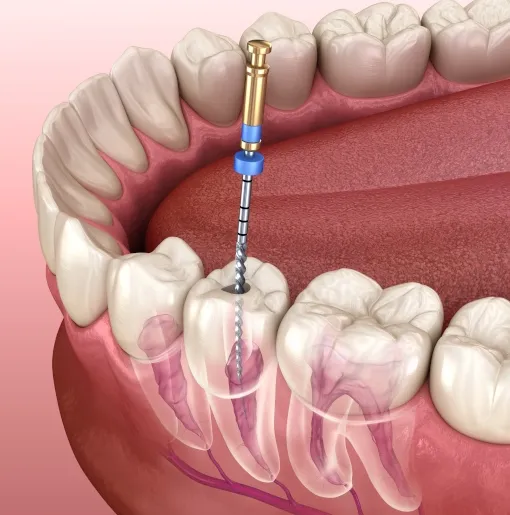
The common fear of "Root Canals" is rooted in outdated manual methods used decades ago. At Ayaansh Dental Clinic, we utilize **Rotary Endodontics**. This technology uses specialized flexible, nickel-titanium instruments that are motorized, allowing us to clean the complex internal anatomy of the tooth with remarkable speed and precision.
The Rotary Advantage
By using rotary files instead of manual steel hand-files, the procedure is significantly faster, quieter, and cleaner. This speed reduces the time you sit in the chair, drastically decreases postoperative inflammation, and yields a substantially higher success rate for long-term tooth survival.
4. The Step-by-Step RCT Workflow
While movies often portray RCT as a terrifying ordeal, it is a highly structured, sterile, and routine procedure for our specialists.
Local Anesthesia & Isolation
We administer local anesthesia to ensure you feel nothing. We then use a rubber dam to isolate your tooth, ensuring a sterile environment and preventing fluid contamination during the procedure.
Access & Debridement
An opening is created in the crown of the tooth. We then use precision rotary instruments to remove the infected pulp tissue and infected dentin within the canals.
Cleaning & Shaping
The canals are meticulously cleaned and disinfected using specialized chemical agents to dissolve all remaining bacteria. We then shape the canal walls to prepare them for filling.
Obturation (Filling)
The now-sterile canal is filled with gutta-percha—a biocompatible, rubber-like material—and sealed hermetically to prevent any future bacterial reinfection.
5. Post-RCT: Protecting the Tooth
The root canal procedure is only half the battle. A tooth that has undergone RCT is structurally weaker because the core pulp chamber—which previously provided moisture—is gone.
Why You MUST Get a Crown
If you leave a root-canal-treated tooth unprotected, it is almost guaranteed to fracture within 1 to 2 years, often catastrophically at the gum level, which forces us to extract the tooth. Placing a custom dental crown on top of the RCT-treated tooth provides the essential structural support it needs to last for decades.
6. RCT Cost in Varanasi
The cost of root canal treatment is highly variable, depending on the complexity of the tooth (front teeth have fewer canals than back molars), the infection level, and the restoration required afterward.
| Type of Extraction | Est. Cost Range (INR) | Clinical Complexity |
|---|---|---|
| Simple Non-Surgical Extraction | ₹500 – ₹1,500 | Fully erupted tooth, straight roots, no incisions required. |
| Surgical / Transalveolar Extraction | ₹2,000 – ₹4,000 | Broken teeth, curved roots requiring gum flap and sectioning. |
| Impacted Wisdom Tooth Surgery | ₹4,000 – ₹8,000+ | Complex surgery near the jaw nerve for deeply buried third molars. |
| Socket Preservation (Bone Graft) | ₹8,000 – ₹15,000 | Optional but highly recommended if a dental implant is planned later. |
Note: At Ayaansh Dental Clinic, we utilize advanced endodontic materials. We will provide a comprehensive treatment plan after performing a diagnostic X-ray.
7. Why Choose Ayaansh Dental Clinic?
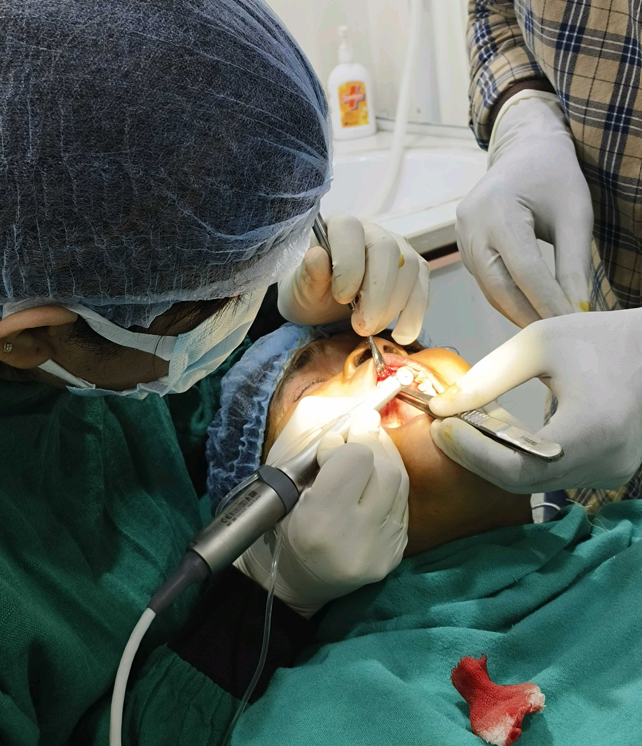
Root Canal Treatment demands expert hands and specialized imaging technology. At Ayaansh Dental Clinic, you are in the care of Dr. N Srivastava, an MDS Prosthodontist from BHU. Her specialized training ensures not only that the nerve canal is disinfected with clinical precision but also that the subsequent crown restoration is perfectly balanced for a functional, long-lasting bite.
8. Frequently Asked Questions
Not at all. The pain people associate with a root canal usually comes from the severe toothache *before* the procedure, not the procedure itself. With modern local anesthesia, the nerve in the tooth is completely numbed, and patients often describe it as feeling no worse than getting a routine filling.
A tooth that has had a root canal no longer has a blood supply, making it very dry and brittle. A crown acts like a protective cage, ensuring the tooth doesn't crack or shatter under the pressure of chewing.
No. Saving your natural tooth is always the gold standard. Once a tooth is extracted, you lose bone in the socket, and you will eventually need an expensive dental implant to replace it. An RCT saves your actual natural tooth, which is superior to any replacement.
Thanks to rotary technology, most RCT cases are completed in a single session. More complex infections or multi-rooted molars might require two sessions to ensure the canal is perfectly disinfected.

Dr. N Srivastava
AuthorBDS, MDS (BHU) • Prosthodontist & Implantologist
An expert trained at the prestigious Banaras Hindu University (BHU), Dr. N Srivastava specializes in dental implants, crown and bridge treatments, full mouth reconstructions, and cosmetic dentistry. She focuses on using advanced diagnostics and patient-first methodologies to deliver painless, premium care.
Read More
Related Clinical Insights
When Do You Need a Dental Crown?
Understanding the role of crowns in protecting weak teeth and completing root canal treatments.
Read Article →Why We Use Tooth-Colored Fillings
Say goodbye to silver amalgam. Learn why composite resin fillings are safer, stronger, and better.
Read Article →The Complete Guide to Dental Scaling
Discover why brushing alone isn't enough to remove plaque and tartar, and how professional scaling prevents disease.
Read Article →Why Dental Implants are Considered the Gold Standard
Discover why dental implants offer a permanent, natural-looking replacement solution for missing teeth.
Read Article →Ready to Transform Your Smile?
Premium Dental Care by BHU Alumni in Varanasi.