Quick Guide Summary
In this comprehensive medical guide to Intermaxillary Fixation (IMF), we explore:
1. What is Intermaxillary Fixation (IMF)?
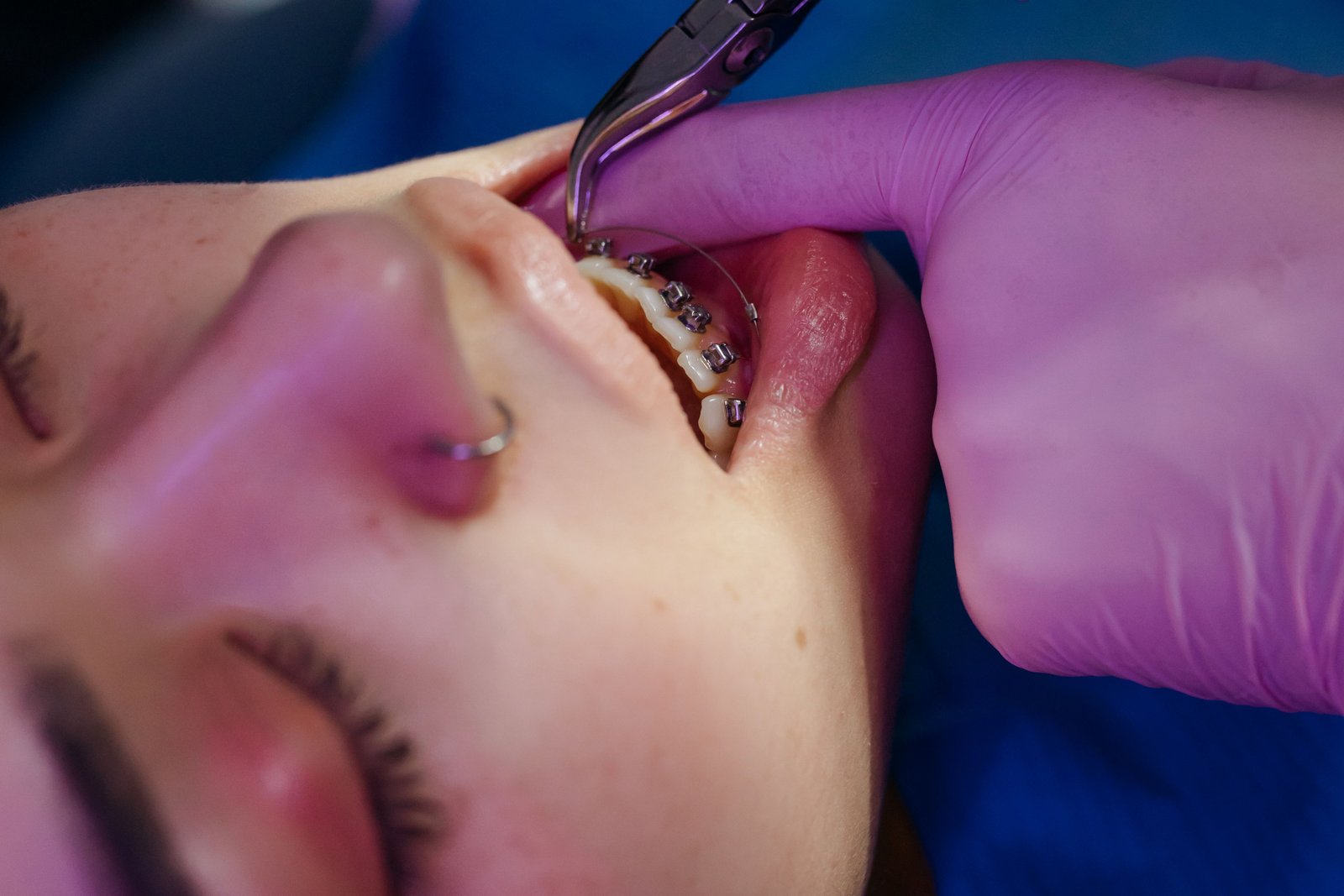
Intermaxillary Fixation (IMF), colloquially known as "wiring the jaw shut," is a fundamental procedure in oral and maxillofacial surgery. It involves physically locking the maxilla (upper jaw) and the mandible (lower jaw) together in their proper anatomical biting position (occlusion).
Just like a cast is placed on a broken arm to immobilize the bones so they can fuse, IMF acts as an internal splint for the facial skeleton. By securing the teeth together, the underlying fractured bone segments are prevented from moving during speaking or swallowing, allowing the body's natural osteogenic (bone-healing) processes to achieve clinical union.
2. When is IMF Required?
While modern titanium plating (ORIF) has reduced the amount of time patients spend in IMF, wiring the jaws remains an essential phase in several clinical scenarios:
Maxillofacial Trauma
In cases of severe jaw fractures (from accidents or falls), IMF is used as a definitive conservative treatment for 4-6 weeks, or used temporarily during surgery to perfectly align the bite before titanium plates are screwed in.
Orthognathic Surgery
During corrective jaw surgeries to fix severe underbites or facial asymmetries, the jaws are intentionally cut and repositioned. IMF holds the new position stable while the surgical plates are secured.
3. Common Techniques & Appliances
The method used to wire the jaws depends on the patient's dental health, the severity of the fracture, and the surgeon's clinical preference.
Erich Arch Bars
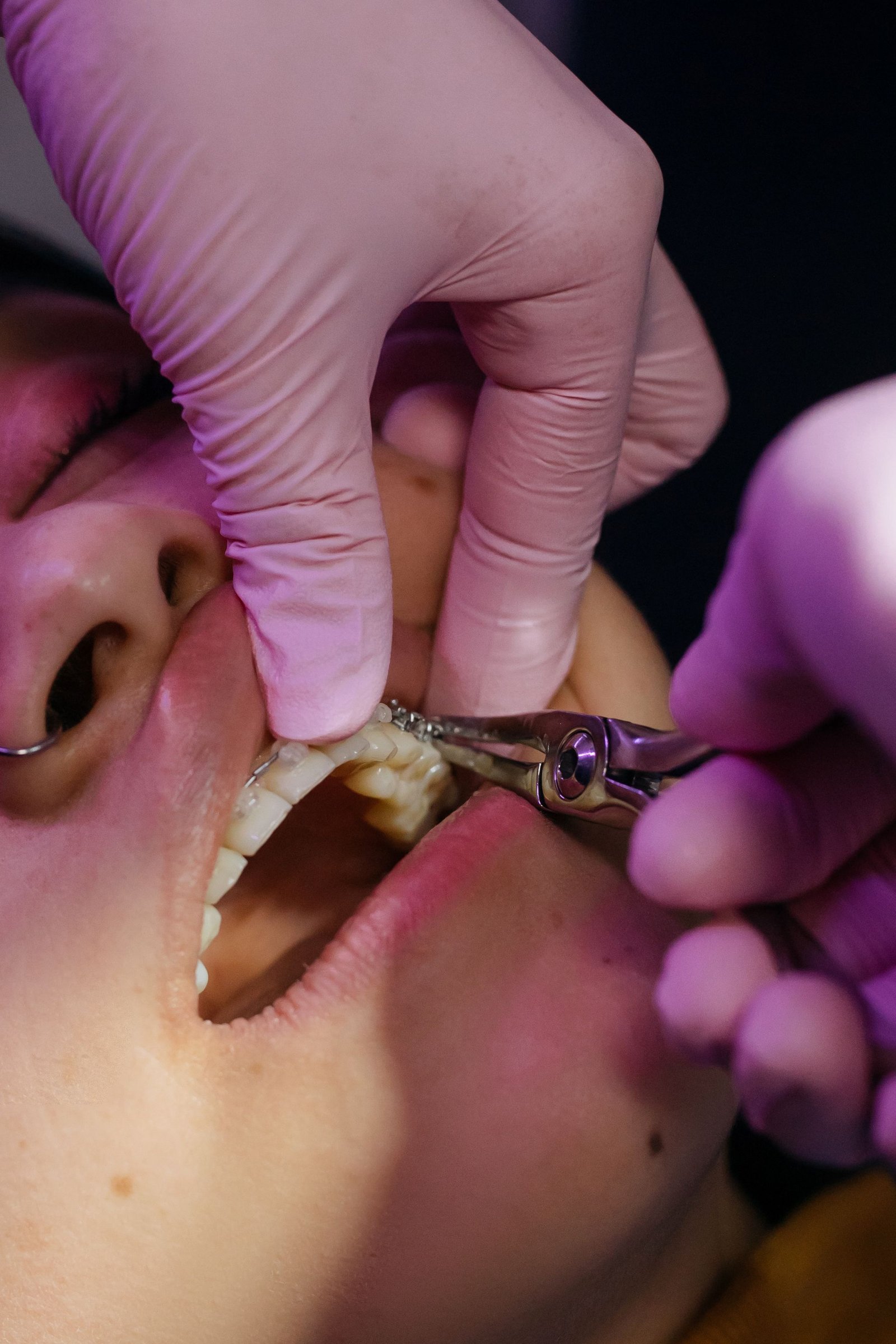
The traditional gold standard. A semi-rigid, malleable metal bar with small hooks is manually bent to follow the curve of the dental arch. Thin stainless steel wires are then wrapped around the neck of every individual tooth to tightly secure the bar to the gums. Once both top and bottom bars are tied on, vertical wires or heavy elastics connect the hooks, locking the jaw shut.
IMF Screws (Bone Screws)
A modern, rapid, and minimally invasive alternative. Instead of wrapping wire around individual teeth (which can cause severe gum inflammation), self-drilling titanium screws with eyelet heads are driven directly through the gums into the jawbone, safely between the tooth roots. Wire is then threaded through the screw heads to lock the jaws. It is significantly faster and easier to keep clean.
Ivy Loop (Eyelet) Wiring
A simpler wire-only technique used for minor, highly stable fractures where full arch bars are unnecessary. Thick wire is twisted to form small loops between adjacent teeth, and tie-wires are used to connect the upper loops to the lower loops.
4. The Application Procedure
Applying IMF hardware is a meticulous surgical procedure. Depending on the patient's condition, it is performed under local anesthesia with sedation or full general anesthesia.
Hardware Placement
If arch bars are used, they are custom-bent and ligated to the teeth. If IMF screws are used, local anesthetic is applied to the gums, and the titanium screws are carefully driven into the dense bone avoiding the roots.
Manual Reduction
The surgeon carefully manipulates the broken jaw segments until the upper and lower teeth slot perfectly together in their natural, pre-injury bite.
The Fixation Phase
Once the bite is verified, heavy gauge tie-wires or strong orthodontic elastics are applied between the upper and lower hardware, completely immobilizing the jaw joint.
Life with IMF: The Liquid Diet & Hygiene
Having your jaws wired shut for 4 to 6 weeks presents significant lifestyle challenges. Maintaining nutrition and preventing severe gum infection require strict discipline.
- • Nutrition: You cannot chew. All food must be liquified in a high-powered blender and consumed through a large syringe or squeeze bottle. Focus on high-protein, high-calorie liquid diets to prevent severe weight loss.
- • Oral Hygiene: Standard brushing is impossible. Plaque will rapidly build up on the metal wires. You must use a water flosser (oral irrigator) on a low setting after every liquid meal to blast away food debris.
- • Antimicrobial Rinses: Rinsing with prescribed Chlorhexidine mouthwash 2 to 3 times a day is mandatory to prevent massive bacterial infections in the healing incisions.
5. Critical Emergency Protocols
Safety is the paramount concern when a patient's mouth is wired shut.
Wire Cutters Are Mandatory
If you experience severe nausea, vomiting, or breathing difficulties, you are at a high risk of aspirating (choking) on fluids because you cannot open your mouth to clear your airway.
You must carry the wire cutters provided by your surgeon with you at all times. You and a family member will be explicitly instructed on which specific vertical connecting wires (or elastics) to snip in a life-threatening emergency to instantly release the jaw.
6. Maxillofacial Expertise in Varanasi
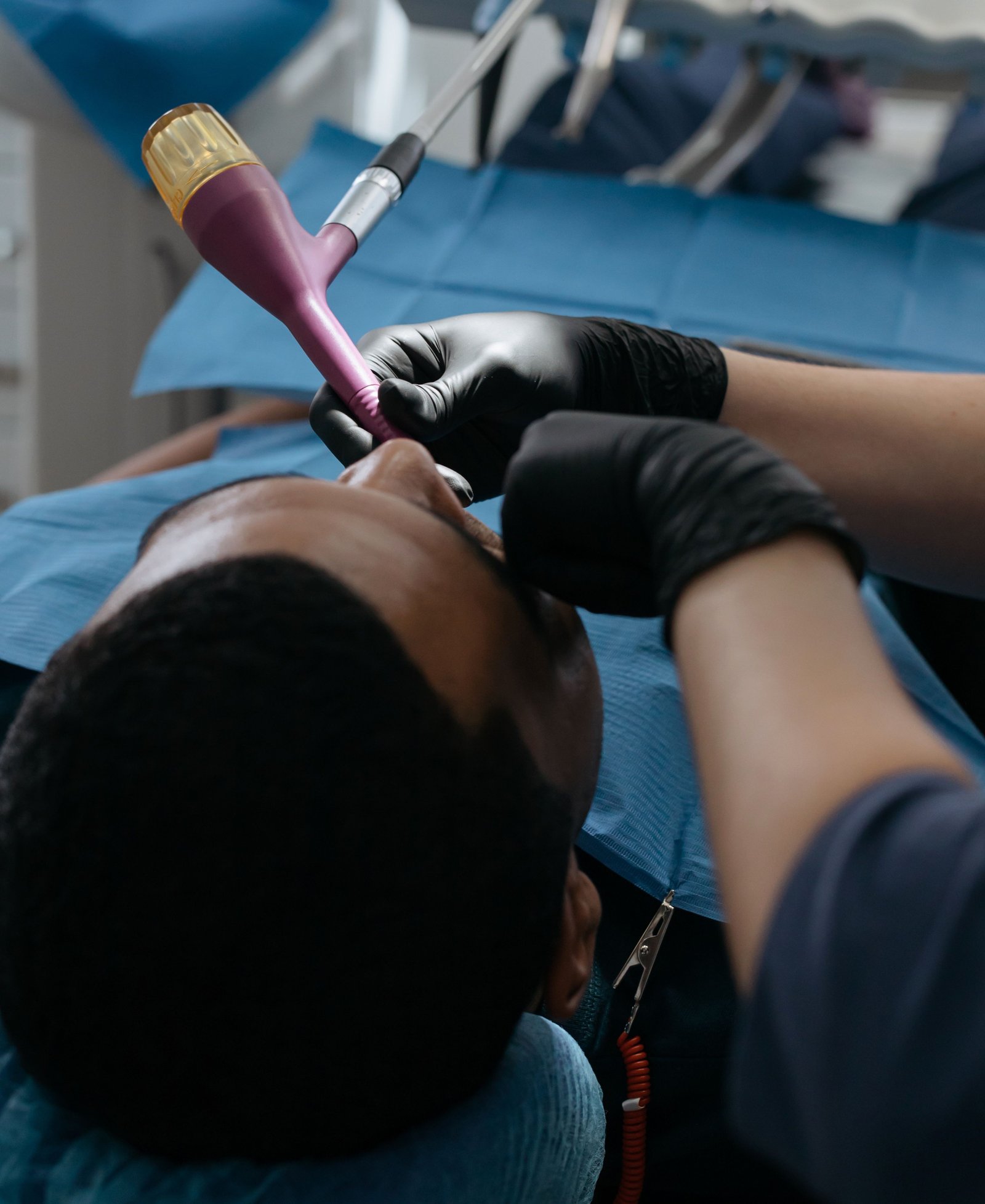
Applying and managing IMF requires significant surgical proficiency and post-operative monitoring. Located strategically on BHU Trauma Centre Road in Lanka, Varanasi, Ayaansh Dental Clinic is ideally positioned to handle complex trauma recoveries.
Directed by Dr. N Srivastava (MDS, BHU), our clinic ensures that whether you require traditional arch bars or modern IMF screws, the hardware is placed with absolute precision to guarantee a stable, functional, and perfectly aligned bite once the bones have healed.
7. Frequently Asked Questions
The duration depends entirely on the severity of the fracture. However, traditional IMF usually requires the jaws to be immobilized for 4 to 6 weeks to allow the bone to achieve a solid clinical union.
Weight loss of 5 to 10 pounds is common during the first few weeks due to the restriction to a liquid diet. It is vital to consume nutrient-dense protein shakes, whole milk, and liquid vitamins to maintain your strength for healing.
Removing the wires and arch bars is typically done in the clinic without the need for general anesthesia. You will feel pressure and a pulling sensation, but it is generally a quick and highly relieving process as you can finally open your mouth again.
Because your jaw muscles and the TMJ joint have been immobilized for weeks, they become very stiff and weak (muscle atrophy). You will need to perform specific jaw stretching exercises prescribed by your surgeon to slowly regain your normal opening range.

Dr. N Srivastava
AuthorBDS, MDS (BHU) • Prosthodontist & Implantologist
An expert trained at the prestigious Banaras Hindu University (BHU), Dr. N Srivastava specializes in complex dental implant surgery, full mouth reconstructive prosthodontics, and oral surgical procedures. She utilizes advanced 3D diagnostics and stringent surgical protocols to deliver optimal functional recovery for patients in Varanasi.