Quick Guide Summary
In this highly specialized guide to Maxillofacial Prosthodontics, we explore:
1. What is Maxillofacial Rehabilitation?
Maxillofacial Rehabilitation is the most complex and specialized sub-branch of Prosthodontics. It is dedicated exclusively to the rehabilitation and reconstruction of patients who suffer from acquired or congenital defects of the head and neck.
When a patient loses a significant portion of their jaw, palate, or facial structures, standard dental procedures like simple crowns or fillings are entirely insufficient. The loss of these major structures immediately compromises the patient's ability to swallow (dysphagia), speak clearly (dysarthria), and chew. Maxillofacial prosthodontists utilize advanced, highly customized intraoral and extraoral prostheses to physically replace the missing bone and soft tissues, ultimately restoring the patient's physiological function, facial aesthetics, and psychological well-being.
2. Clinical Indications for Rehabilitation
The need for a maxillofacial prosthesis arises from three primary categories of structural loss:
Oncology (Oral Cancer Surgery)
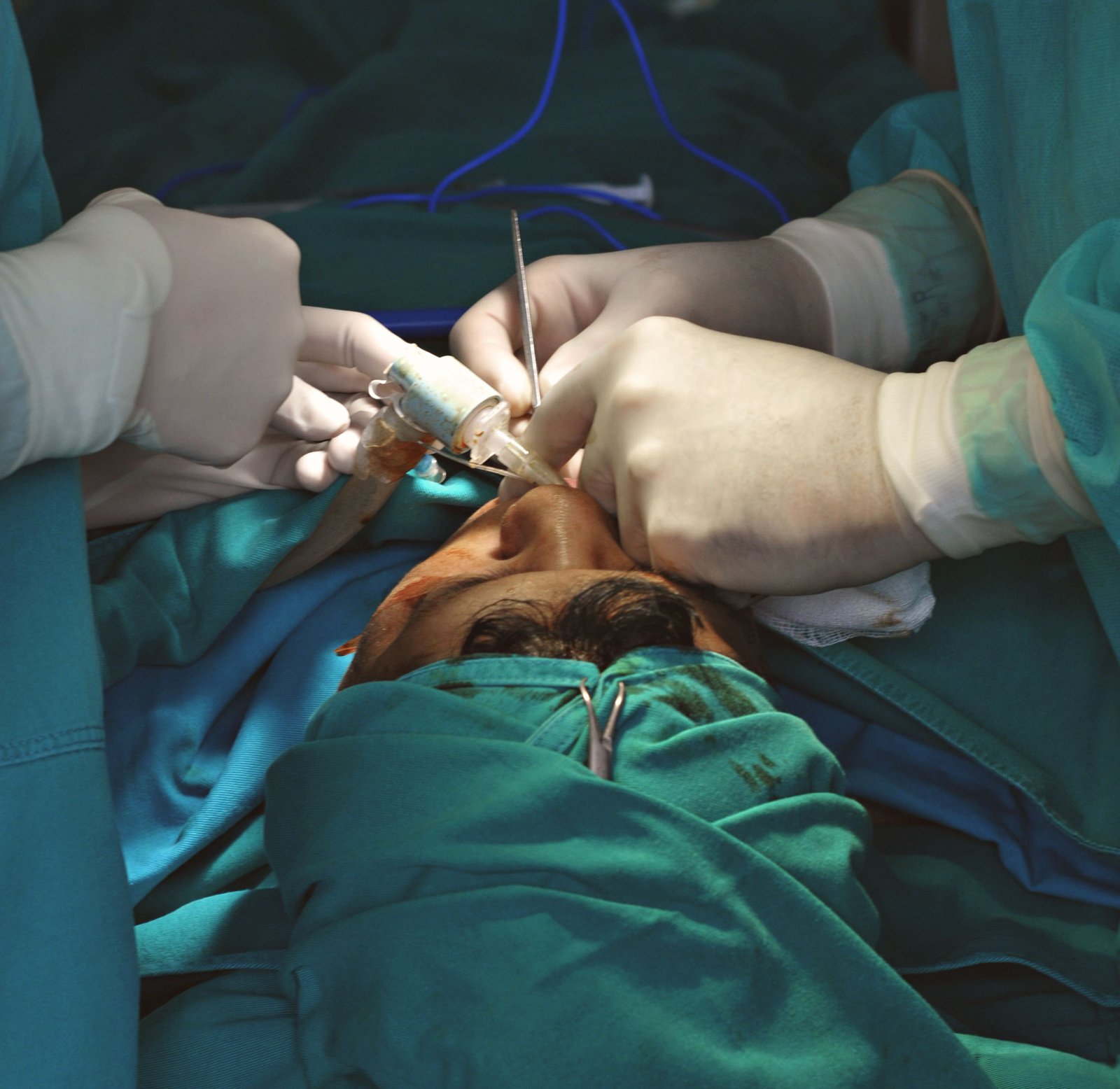
The most common indication. When a surgeon removes an oral tumor, they must often resect (cut away) large portions of the maxilla (upper jaw) or mandible (lower jaw) to ensure clear margins. This leaves significant voids that require immediate prosthetic obturation.
Maxillofacial Trauma
Severe high-impact trauma, such as road traffic accidents or ballistic injuries, can permanently destroy facial bones. Once the initial trauma is stabilized (often via ORIF plating), a prosthesis is engineered to reconstruct the missing dental and bony architecture.
Congenital Anomalies
Birth defects such as a cleft lip or cleft palate create abnormal communication between the nasal and oral cavities. Specialized feeding plates for infants and long-term speech bulbs for growing children are fabricated to normalize feeding and vocal development.
3. Types of Maxillofacial Prostheses
Prostheses are broadly categorized into intraoral (inside the mouth) and extraoral (facial) devices.
Palatal Obturators
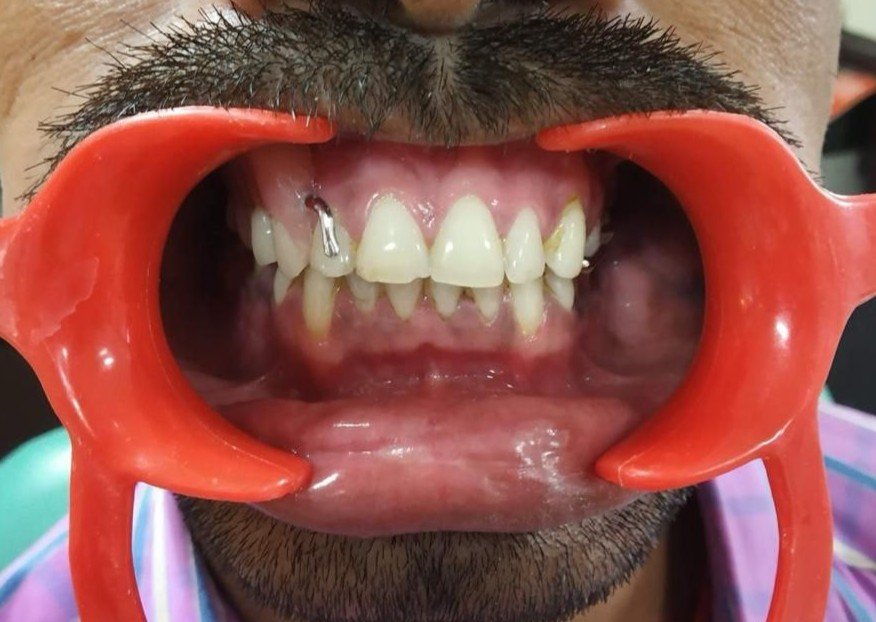
Following a maxillectomy (removal of the upper jaw), a large hole often connects the mouth directly to the nasal cavity. A palatal obturator is a custom acrylic device that physically plugs this hole, creating a seal. Without it, patients cannot generate the intraoral pressure required to swallow, and food or liquids will painfully exit through the nose.
Speech Bulbs (Pharyngeal Obturators)
If the soft palate is paralyzed or too short (often due to cleft palate), air escapes into the nose during speech, causing severe hypernasality. A speech bulb extends into the back of the throat, allowing the pharyngeal muscles to close against it, instantly normalizing speech resonance.
Mandibular Resection Prostheses
When a segment of the lower jaw is removed, the remaining jaw bone will violently swing to one side due to unbalanced muscle pull. Specialized "guide flange" prostheses are used to retrain the muscles and physically guide the lower jaw back into a normal, central biting position.
4. The Clinical Workflow (Timeline)
Rehabilitation is a phased, long-term journey. The prosthodontist often works directly alongside the surgical oncologist or trauma surgeon, beginning before the surgery even takes place.
Pre-Surgical Planning
Impressions of the mouth are taken before the tumor or bone is removed. The prosthodontist fabricates an immediate surgical obturator based on the surgeon's planned resection lines.
Surgical Obturation (Day 0)
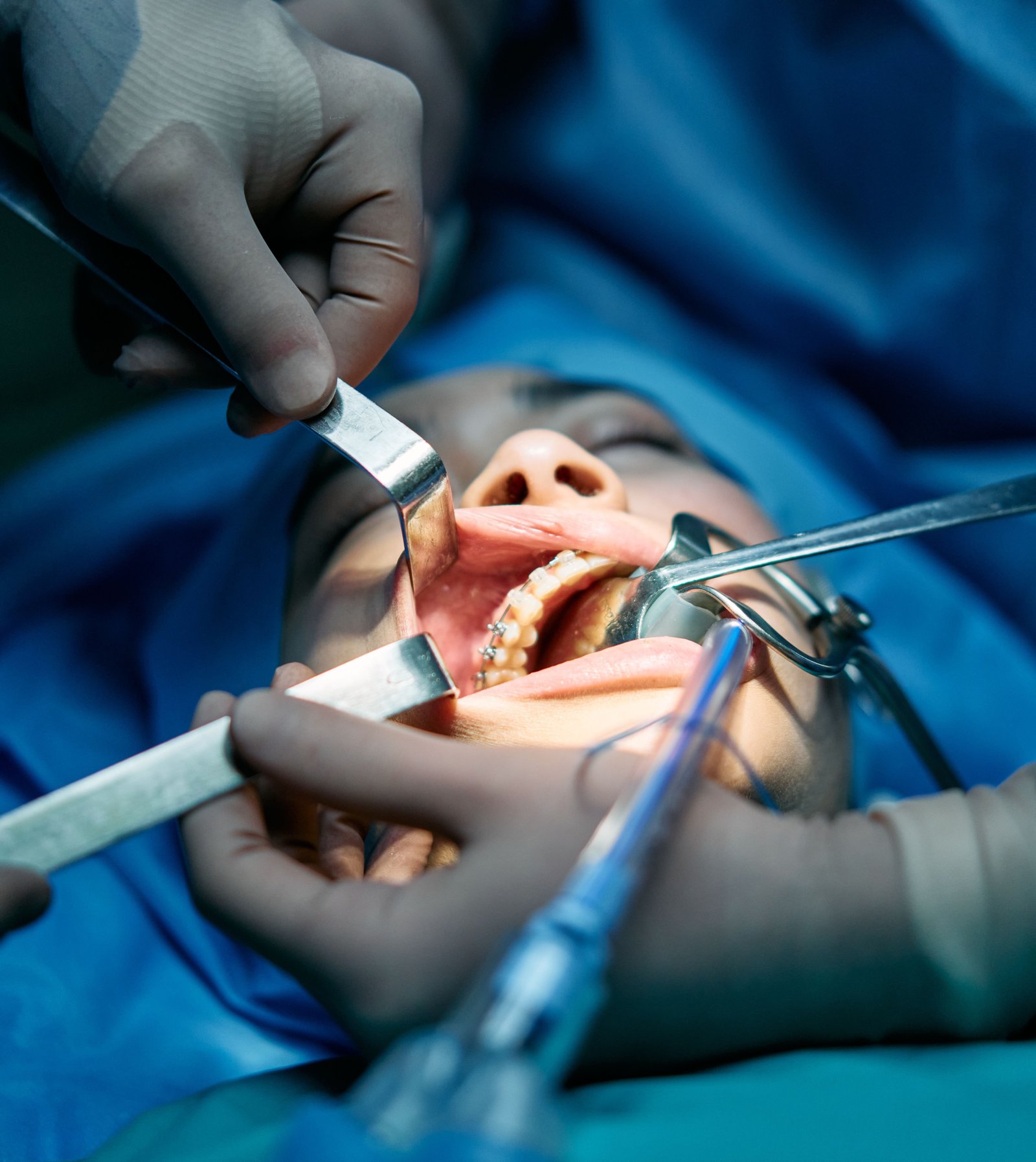
The immediate obturator is wired or screwed into place in the operating room right after the tumor is removed. This vital step provides a matrix for surgical packing, stops hemorrhage, and allows the patient to speak and swallow liquids immediately upon waking up.
Interim Prosthesis (Weeks 2-12)
As the surgical site heals, the tissues will shrink and change shape drastically. An interim (transitional) prosthesis is fabricated. The prosthodontist will continuously reline and adjust this device using soft conditioning materials to ensure a tight seal as the wound heals.
Definitive Prosthesis (Months 3-6)
Once the soft tissues have completely stabilized and matured, highly precise final impressions are taken. The definitive (final) prosthesis is crafted using durable cast-metal frameworks, acrylic, and artificial teeth, restoring maximum function and aesthetics.
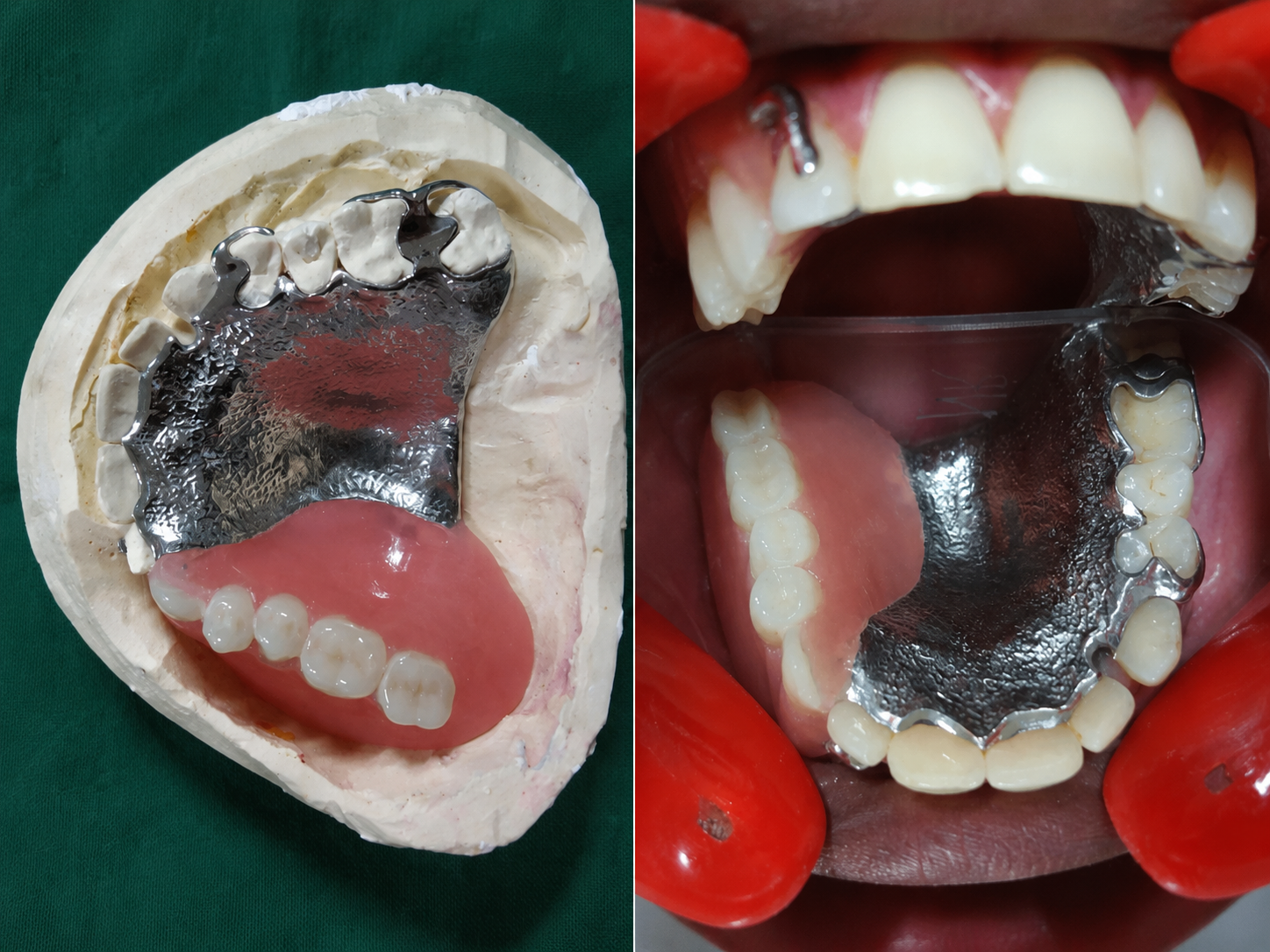
Life with a Prosthesis: Adaptation & Hygiene
Adapting to a large maxillofacial prosthesis requires immense psychological resilience and dedicated physical therapy.
- • Speech Therapy: Patients must actively practice reading aloud. The tongue and cheek muscles will quickly adapt to the new contours of the acrylic to produce sharp, articulate phonetic sounds.
- • Meticulous Hygiene: The prosthesis and the underlying surgical defect must be kept immaculately clean. The prosthesis is removed daily and cleaned with specific brushes. The surgical cavity is gently irrigated with prescribed antimicrobial rinses to prevent severe fungal infections (Candida).
- • Regular Recalls: The jaw tissues will continue to remodel slightly over the years. Patients must visit the prosthodontist every 6 months to ensure the seal remains completely watertight.
5. Specialized Prosthodontic Expertise in Varanasi
Maxillofacial rehabilitation is arguably the most demanding discipline within dentistry. It requires a profound understanding of surgical oncology, trauma reconstruction, and advanced biomaterials. Located strategically on BHU Trauma Centre Road in Lanka, Varanasi (easily accessible from Samneghat, Assi Ghat, and Ravidas Gate), Ayaansh Dental Clinic is uniquely positioned to handle these complex cases.
The clinic is directed by Dr. N Srivastava, an MDS Prosthodontist and Implantologist. Her intensive postgraduate residency at Banaras Hindu University (BHU) included extensive training in managing severe maxillofacial defects. We frequently collaborate with local oral surgeons and oncologists to provide a seamless transition from surgical resection to functional prosthetic recovery.
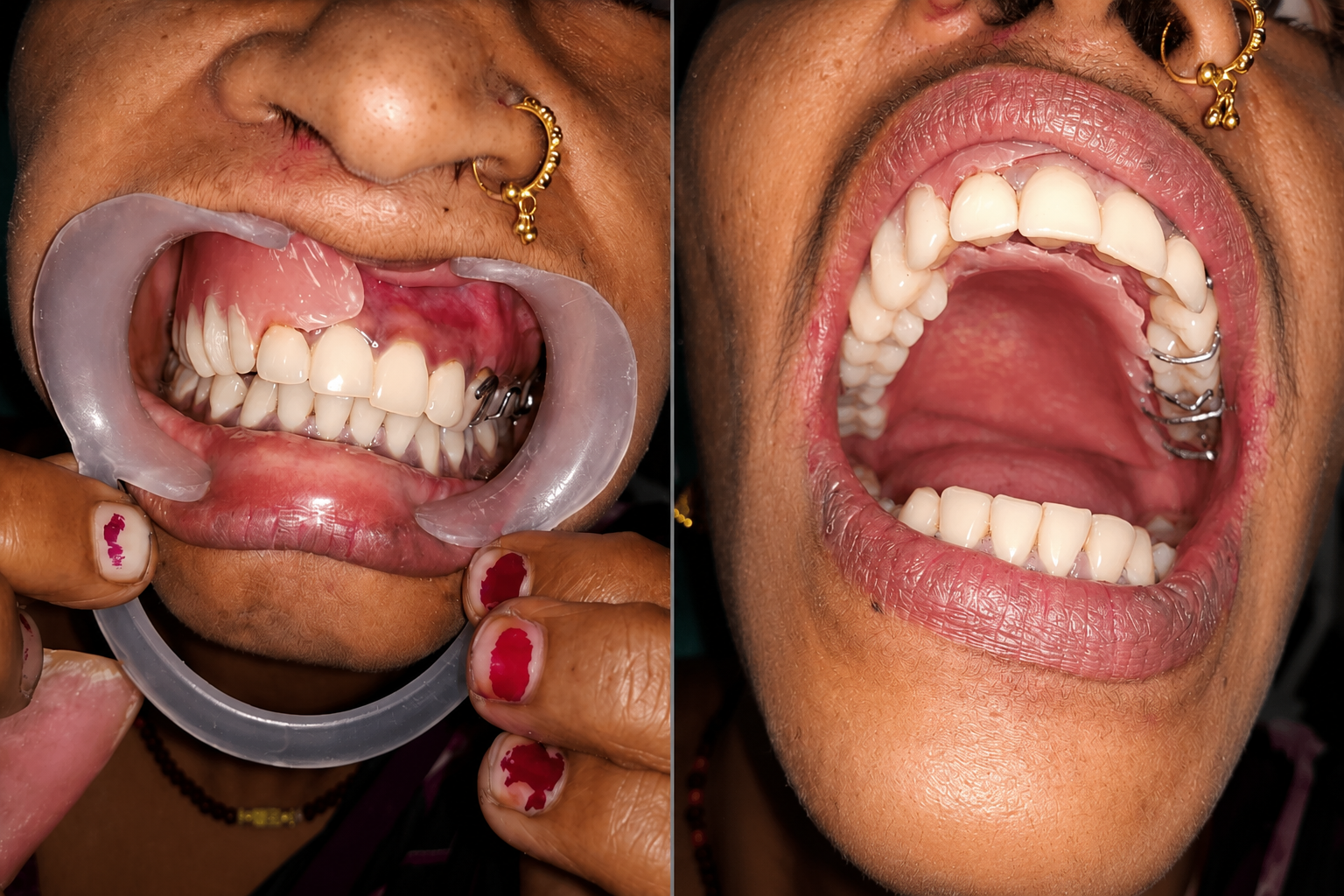
6. Frequently Asked Questions
A palatal obturator is a highly specialized medical prosthesis that physically plugs a surgical or congenital hole in the roof of the mouth. This seals the oral cavity from the nasal cavity, preventing food and liquids from entering the nose and allowing the patient to speak and swallow normally.
A surgical obturator is often placed immediately during the surgery to assist with early recovery. An interim obturator is fabricated a few weeks later. The definitive (final) prosthesis is typically crafted 3 to 6 months post-surgery, once the soft tissues have completely healed and stabilized.
Absolutely. In many severe resection cases, there are not enough natural teeth left to clasp onto. Surgical titanium implants (and sometimes specialized zygomatic implants) provide incredibly rigid, secure anchors to "snap" the large maxillofacial prosthesis into place.
Initially, it feels bulky and foreign, as the mouth is highly sensitive. However, the definitive prosthesis is hollowed out (to reduce weight) and meticulously polished. With time, tissue adaptation, and minor clinical adjustments, patients find them completely comfortable and essential for daily living.
Dr. N Srivastava
AuthorBDS, MDS (BHU) • Prosthodontist & Implantologist
An expert trained at the prestigious Banaras Hindu University (BHU), Dr. N Srivastava specializes in complex dental implant surgery, full mouth reconstructive prosthodontics, and maxillofacial rehabilitation. She utilizes advanced 3D diagnostics and stringent clinical protocols to deliver optimal functional recovery for post-surgical patients in Varanasi.
Read More
Related Clinical Insights
Why Dental Implants are the Gold Standard
Discover how implants serve as the primary anchors for complex maxillofacial prosthetics and full arch restorations.
Read Article →What is Full Mouth Rehabilitation?
A deep dive into how we rebuild entire smiles and restore functional bites following severe damage.
Read Article →Fractures: Maxilla & Mandible Guide
Learn about the surgical fixation (ORIF) and recovery protocols for broken facial bones resulting from trauma.
Read Article →Surgical Tooth Extraction Guide
Expert guide to safe, painless tooth removal, managing impacted wisdom teeth, and preventing dry sockets.
Read Article →Need Immediate Dental Care?
Premium, surgical care by BHU Alumni in Varanasi.