Quick Guide Summary
In this comprehensive medical guide to Exodontia (Tooth Extraction), we explore:
1. What is Exodontia?
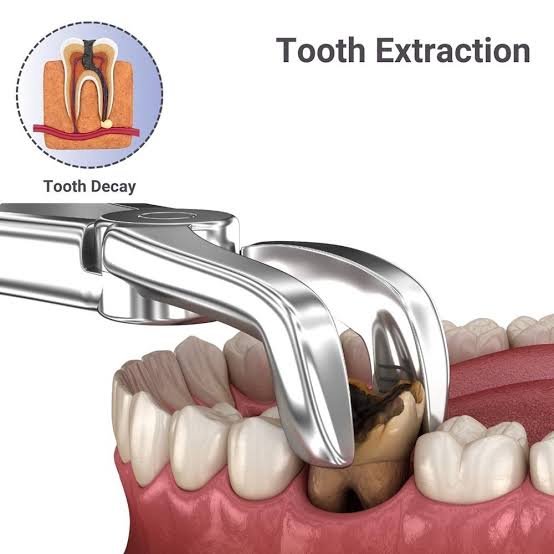
In clinical dentistry, the removal of a tooth is known as Exodontia. At Ayaansh Dental Clinic, our primary philosophy is conservative dentistry—we always attempt to save your natural tooth using Root Canal Treatment and crowns whenever biologically possible.
However, an extraction becomes an absolute medical necessity when a tooth is damaged beyond repair or poses a severe threat to surrounding oral structures. Common indications include:
Severe Decay & Fracture
When caries (decay) has completely destroyed the tooth crown down to the bone level, or if a vertical root fracture splits the tooth in half, it cannot be salvaged and must be removed to stop the spread of infection.
Advanced Periodontitis
Severe gum disease destroys the alveolar bone supporting the tooth. If the tooth becomes highly mobile (loose) and the bone loss is irreversible, extraction is required before the infection destroys neighboring bone.
Orthodontic Crowding
In cases of severe jaw crowding, an orthodontist may prescribe the extraction of specific healthy teeth (usually premolars) to create the physical space needed to pull the remaining teeth into perfect alignment.
Impacted Wisdom Teeth
Third molars often lack the space to erupt properly, becoming trapped in the jawbone. They push against other teeth, causing severe pain, cysts, and recurrent infections (pericoronitis).
2. Simple vs. Surgical Extractions
Not all tooth removals are the same. The technique required depends heavily on the anatomical position and structural integrity of the tooth.
Simple Extraction
Performed on a tooth that is fully erupted and visible above the gumline. Using an instrument called an elevator, the dentist gently loosens the periodontal ligaments holding the tooth, then uses forceps to carefully luxate (wobble) the tooth out intact. No cutting of the gums is required.
Surgical Extraction
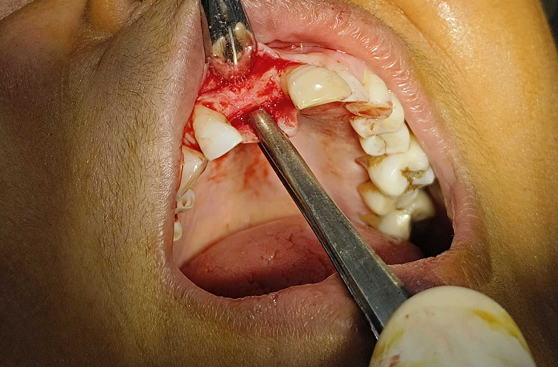
Required when a tooth is broken at the gumline, has severely curved roots, or is impacted (trapped under bone). The surgeon must make a small incision in the gum to access the tooth. Often, the tooth is sectioned (cut into smaller pieces) and a small amount of surrounding bone is removed to safely extract the fragments. Sutures (stitches) are placed afterward to aid healing.
3. The Clinical Procedure & Pain Management
Anxiety surrounding extractions is common, but modern surgical protocols guarantee a highly controlled, painless experience.
Diagnostics & Planning
We utilize digital X-rays or a 3D CBCT scan to map the exact length and curvature of the tooth roots, ensuring we avoid critical structures like the inferior alveolar nerve and the maxillary sinus.
Profound Anesthesia
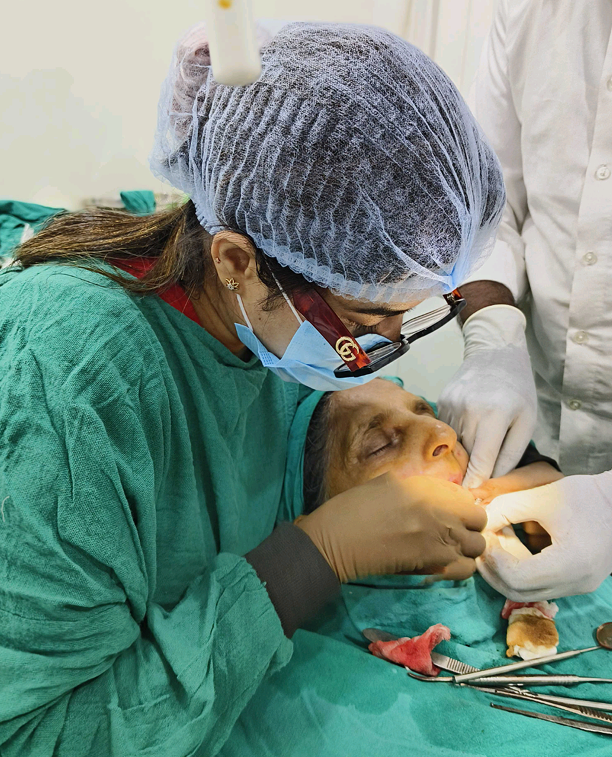
We apply a topical numbing gel followed by a targeted local anesthetic injection. We meticulously test the area to guarantee absolute numbness before proceeding. You will feel pressure, but zero sharp pain.
Luxation & Delivery
Teeth are not simply "pulled." We use specialized instruments to gently expand the bony socket and sever the ligaments holding the tooth. Once loose, the tooth is delivered smoothly out of the socket.
Socket Management & Suturing
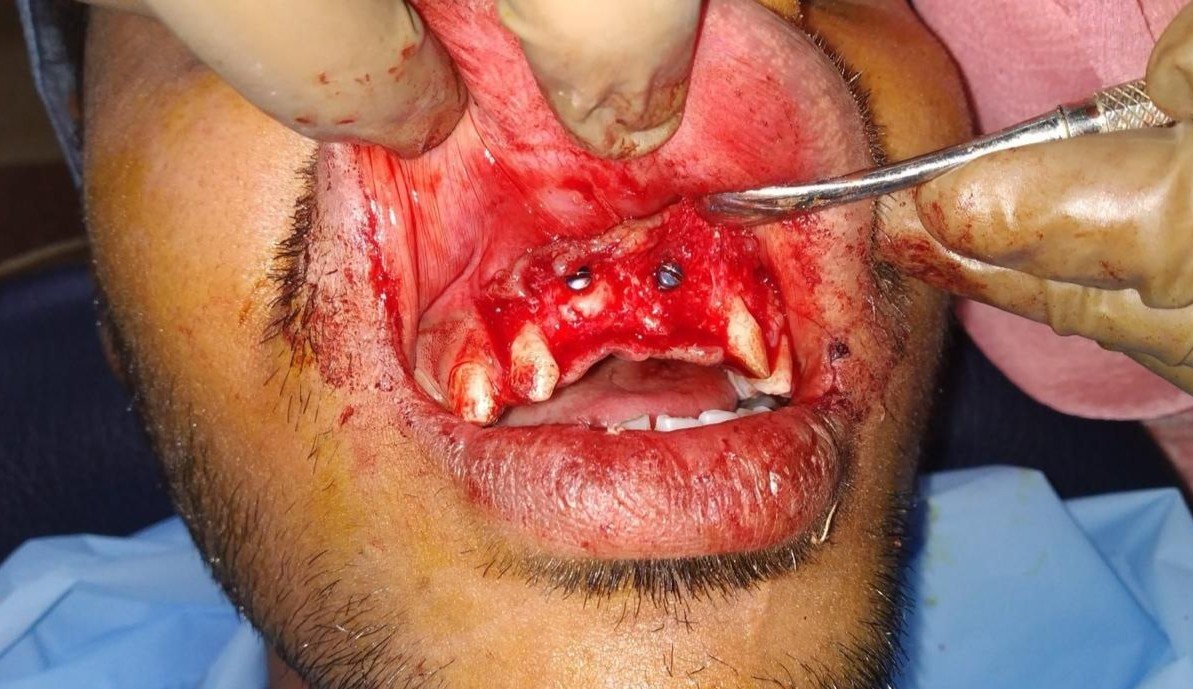
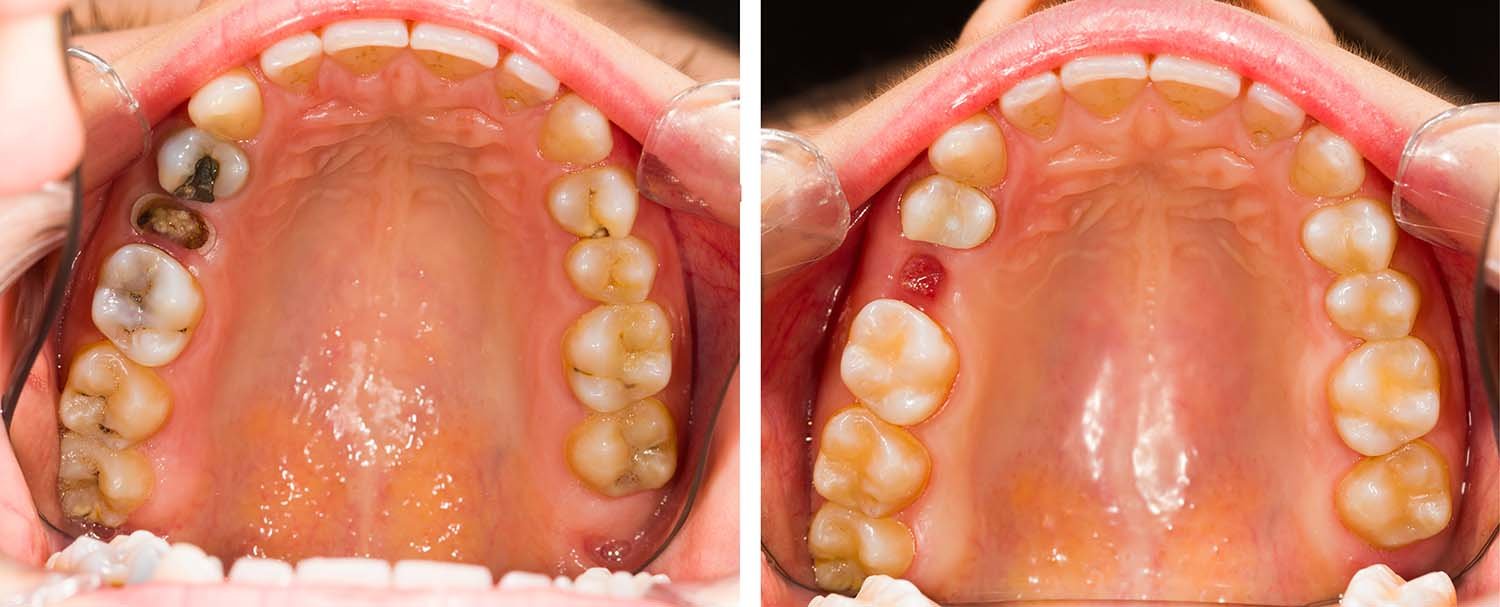
The empty socket is cleaned of any infected tissue. In many cases, we place a bone graft to preserve the jawbone for a future dental implant. Hemostatic sponges are placed, and sutures are applied to close the gums.
4. Crucial Post-Operative Care (Preventing Dry Socket)
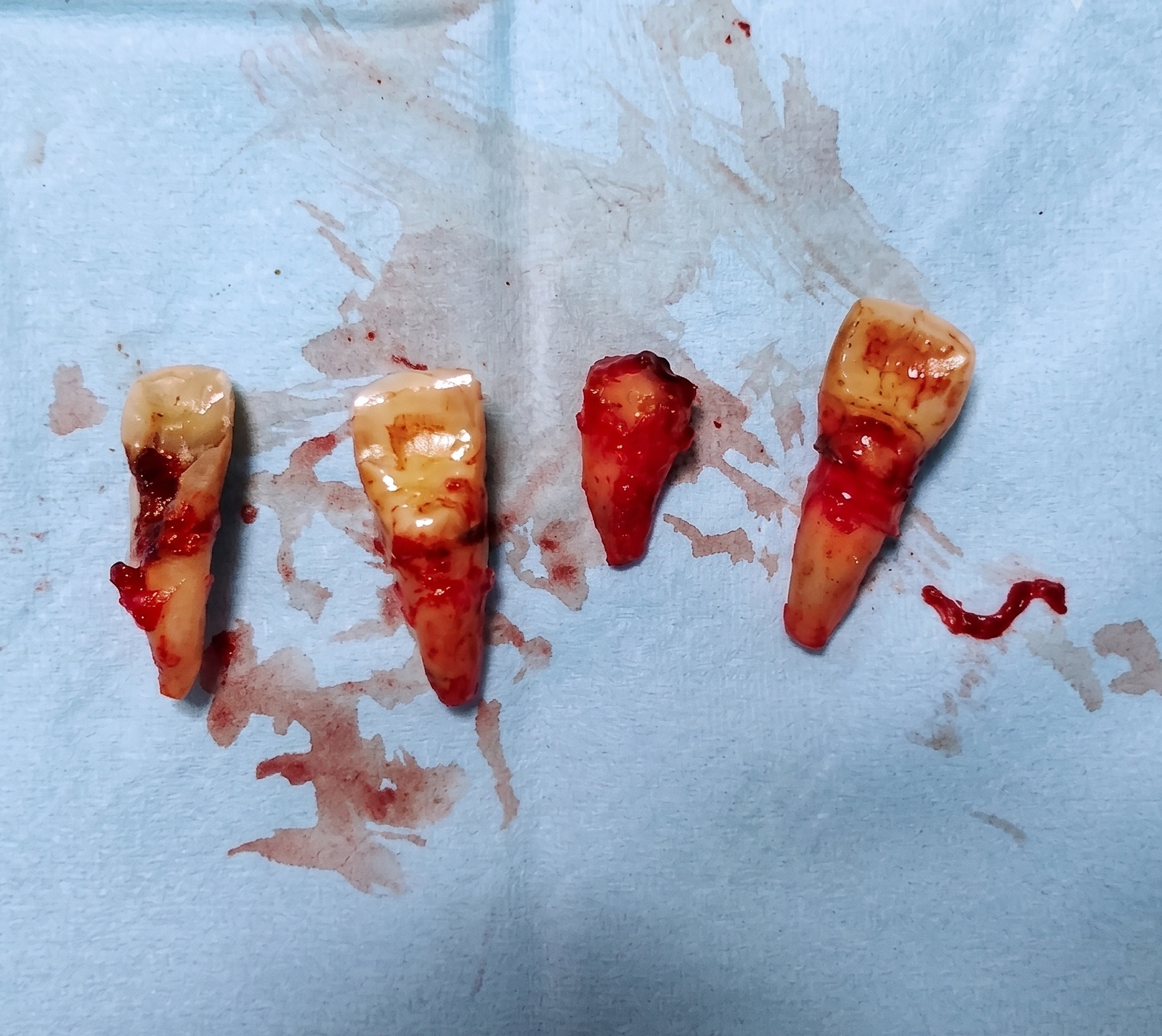
The success of your extraction relies heavily on how well you care for the extraction site at home. After the tooth is removed, a blood clot forms in the socket. This clot acts as a biological bandage, protecting the exposed bone and nerves underneath while new tissue grows.
What is a Dry Socket?
If the blood clot is prematurely dislodged or dissolves before the wound heals, the underlying bone and nerve endings are exposed to air, food, and fluids. This condition, called Alveolar Osteitis (Dry Socket), causes severe, throbbing pain radiating to the ear and neck. It is entirely preventable by following these strict rules for the first 72 hours:
- STRICTLY AVOID:
- • Do not use a drinking straw. The suction force easily pulls the clot out.
- • Do not spit forcefully. Let saliva and water gently fall from your mouth.
- • Do not smoke or vape. The suction and toxic chemicals severely delay healing and trigger dry sockets.
- • Avoid hot, spicy, or crunchy foods (like chips or nuts) that can become lodged in the socket.
5. Cost of Tooth Extraction in Varanasi
The cost of an extraction varies depending on the anatomical complexity of the root structure and whether the tooth is fully erupted or deeply impacted in the jawbone.
| Type of Extraction | Est. Cost Range (INR) | Clinical Complexity |
|---|---|---|
| Simple Extraction | ₹500 – ₹1,500 | Fully erupted tooth, straight roots, no incisions required. |
| Surgical / Transalveolar Extraction | ₹2,000 – ₹4,000 | Broken teeth, curved roots requiring minor bone removal and suturing. |
| Impacted Wisdom Tooth Surgery | ₹4,000 – ₹8,000+ | Complex surgery near the jaw nerve for deeply buried third molars. |
Note: Fees are estimates. Surgical impactions are evaluated individually using a digital CBCT scan before providing a definitive quotation.
6. Surgical Expertise in Varanasi
Performing a complex surgical extraction safely requires a deep understanding of maxillofacial anatomy to avoid permanent nerve damage or sinus complications. Located on BHU Trauma Centre Road in Lanka, Varanasi, Ayaansh Dental Clinic offers elite surgical care.
The clinic is directed by Dr. N Srivastava, an MDS Prosthodontist and Implantologist. Her expertise allows us to not only extract a failing tooth safely but to immediately prepare the socket for a future dental implant, ensuring you do not suffer from severe jawbone loss after the extraction.
7. Frequently Asked Questions
No. The procedure is performed under profound local anesthesia. You will feel pressure and a slight pushing sensation as the tooth is luxated, but you will absolutely not feel sharp pain. Post-operative discomfort is manageable with the pain relievers we prescribe.
The initial healing of the gum tissue takes about 1 to 2 weeks. However, the underlying jawbone takes 3 to 6 months to fully regenerate and fill the empty socket. You can typically return to normal, non-strenuous activities within 24 to 48 hours.
In many cases, yes. This is called an "Immediate Implant." If the extraction site is free from active acute infection and there is enough surrounding bone, Dr. Srivastava can extract the tooth and place the titanium implant post in the exact same surgical visit, saving months of healing time.
Not always. If your wisdom teeth erupt fully, straight, and you can brush them easily, they can stay. However, if they are impacted (stuck under the bone), growing sideways, or causing pain and crowding to your other teeth, surgical extraction is highly recommended.

Dr. N Srivastava
AuthorBDS, MDS (BHU) • Prosthodontist & Implantologist
An expert trained at the prestigious Banaras Hindu University (BHU), Dr. N Srivastava specializes in dental implants, oral surgical procedures, full mouth rehabilitations, and cosmetic dentistry. She focuses on using advanced diagnostics and patient-first methodologies to deliver painless, premium care in Varanasi.