Quick Guide Summary
In this highly specialized medical guide, we explore the rehabilitation of post-oncology patients:
1. The Reality of Oral Cancer Resection
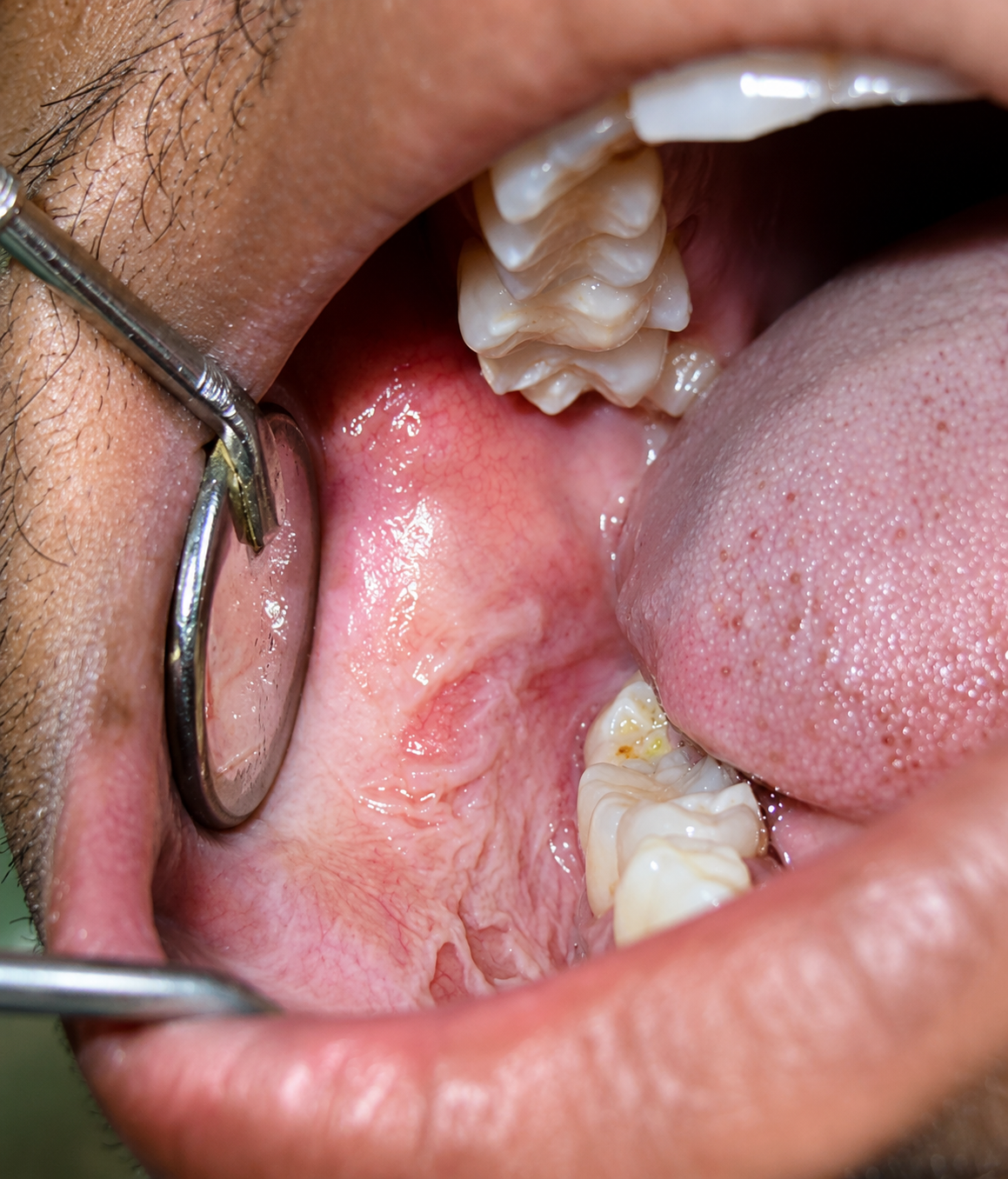
The primary goal of the surgical oncologist is absolute tumor eradication to save the patient's life. To achieve "clear margins," surgeons must often aggressively resect (remove) large portions of the oral and facial structures. This can involve a Maxillectomy (removal of the upper jaw and palate), a Mandibulectomy (removal of sections of the lower jaw), or a Glossectomy (removal of parts of the tongue).
While the cancer is cured, the resulting structural voids are devastating. Patients often lose their ability to chew, swallow without aspirating food into their nasal cavity, or speak clearly. This is where Maxillofacial Prosthodontics steps in. Our goal is to artificially rebuild the missing anatomy, meticulously restoring the patient's dignity and physiological function.
2. Types of Post-Surgical Prostheses
Each defect is entirely unique, demanding a custom-engineered prosthetic solution designed by a specialist.
Palatal Obturators (Maxillectomy)
Following the removal of the upper jaw or palate, an open hole connects the mouth to the nose. Without intervention, anything the patient eats or drinks will exit through their nose, and speech will be unintelligibly nasal. An obturator is an acrylic device that acts as an artificial roof of the mouth, physically plugging the defect and restoring instant functional normalcy.
Mandibular Resection Prostheses
When a section of the lower jaw is removed, the remaining jawbone swings violently toward the surgical side due to unbalanced muscle pull, making chewing impossible. We construct specialized "guide flange" prostheses that mechanically force the lower jaw back into its correct, central alignment during function.
Glossectomy (Tongue) Prostheses
If a significant portion of the tongue is removed, the patient cannot push food to the back of the throat or articulate consonants. A "palatal drop" prosthesis artificially lowers the roof of the mouth so that the remaining tongue stump can make contact, drastically improving swallowing and speech.
3. The Role of Dental Implants in Rehabilitation
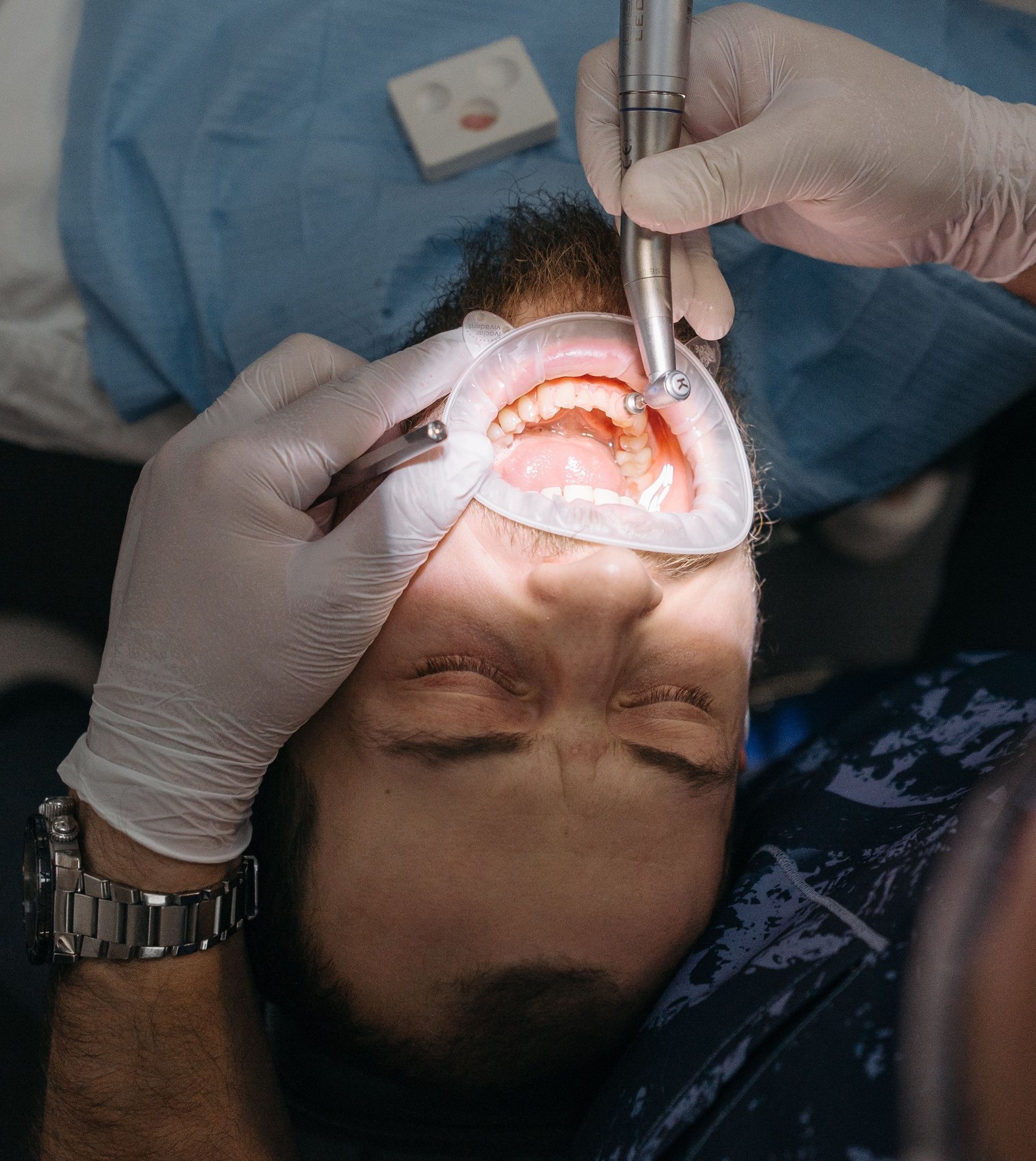
Retaining a large, heavy prosthesis in a mouth that has lost bone, teeth, and tissue is incredibly difficult. Dental Implants have revolutionized oncology rehabilitation. By placing titanium implants into the remaining healthy bone, we create rigid anchor points. The prosthesis "snaps" securely onto these implants, offering patients the confidence to chew normally without the fear of the device dislodging.
Implants & Radiation Therapy
Patients who have undergone radiotherapy have compromised blood supply to their jawbones, increasing the risk of Osteoradionecrosis (bone death). Dr. Srivastava operates with strict surgical protocols, often requiring hyperbaric oxygen therapy prior to placing implants in irradiated bone to ensure maximum safety and integration.
4. The Clinical Workflow & Phased Recovery
Rehabilitating an oral cancer survivor is not a single appointment; it is a meticulously phased, long-term commitment that follows the biological healing of the surgical wound.
Immediate Surgical Obturator (Day 0)
Fabricated before the surgery based on the surgeon's planned cuts. It is wired or screwed into place in the operating room immediately after the tumor is removed. It holds the surgical packing, stops bleeding, and allows the patient to swallow liquids and speak as soon as they wake up.
Interim Prosthesis (Weeks 2 to 12)
Once the initial packing is removed, an interim device is provided. Because the surgical wound shrinks and remodels drastically during this phase, the prosthodontist will constantly reline this device with soft, medical-grade silicone conditioners to maintain a tight seal.
Definitive Prosthesis (Months 3 to 6+)
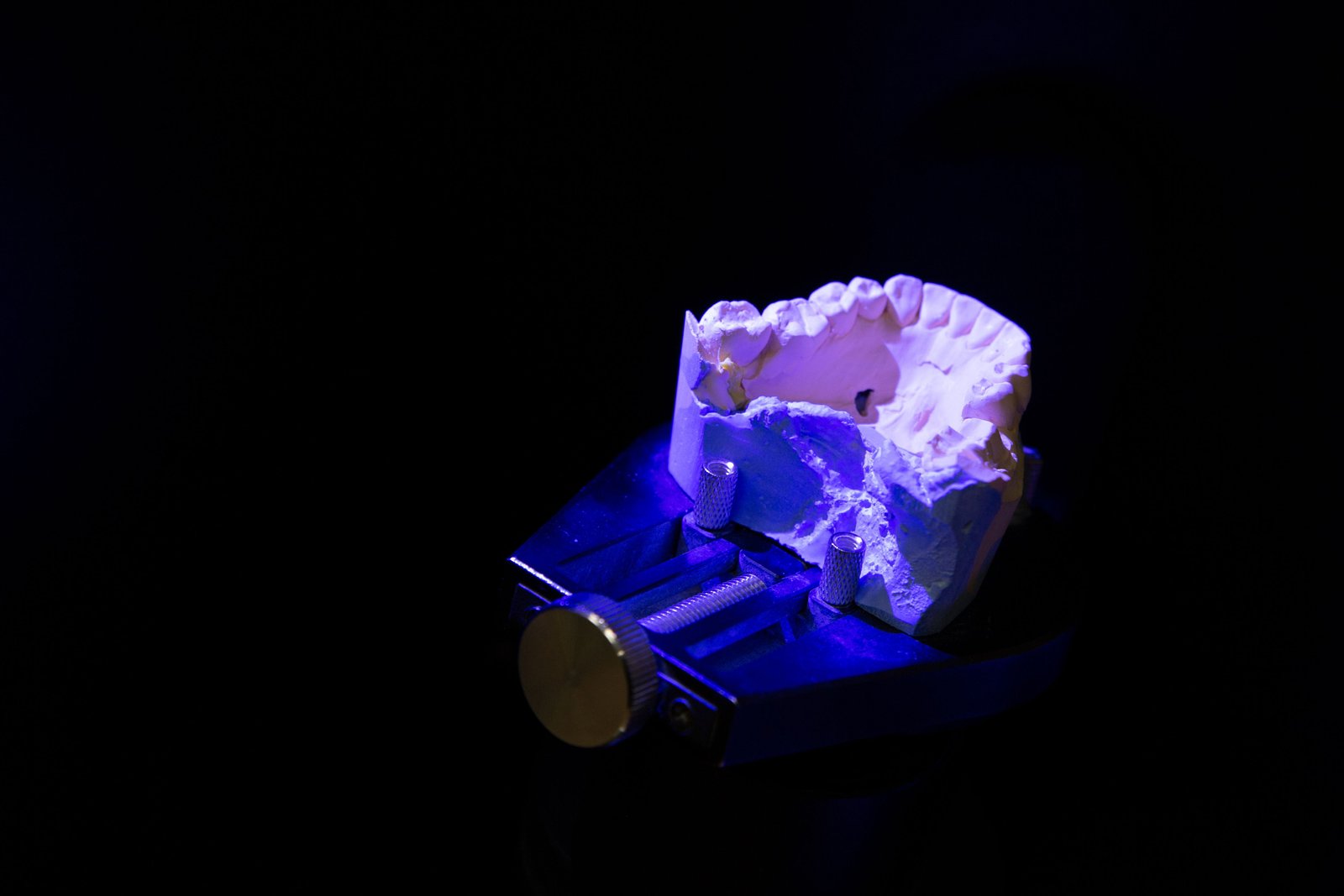
Only after the surgical site has completely healed, stabilized, and radiation therapy is concluded, do we take final precision impressions. The definitive prosthesis is crafted using strong cast-metal frameworks, durable acrylic, and premium artificial teeth for long-term use.
5. Life After Cancer: Speech & Swallowing
Delivering the physical prosthesis is only part of the treatment. Adapting to a large maxillofacial device requires profound psychological resilience and dedicated physical therapy.

The Adaptation Process
- • Speech Therapy: The tongue and cheek muscles must learn to interact with the new acrylic surfaces. Reading aloud daily helps the brain quickly adapt, reducing the initial "lisp" or nasal tone.
- • Swallowing Exercises: Patients often start with soft purees and liquids, retraining the pharyngeal muscles to push food back safely without relying on the structures that were removed.
- • Immaculate Hygiene: Irradiated tissues are highly prone to aggressive fungal infections (Candida). The prosthesis must be removed and scrubbed daily, and the surgical cavity irrigated with prescribed antimicrobial rinses.
6. Maxillofacial Expertise in Varanasi
Rehabilitating an oncology patient requires an elite level of clinical training that general dentists do not possess. Located strategically on BHU Trauma Centre Road in Lanka, Varanasi (serving Samneghat, Assi Ghat, and Ravidas Gate), Ayaansh Dental Clinic is one of the few centers equipped for this highly specialized care.
The clinic is directed by Dr. N Srivastava, a highly qualified MDS Prosthodontist. Her advanced clinical training at Banaras Hindu University (BHU) equipped her with the exact surgical, anatomical, and restorative skills required to rehabilitate patients suffering from severe facial defects. We work directly in tandem with the region's leading surgical oncologists and ENT specialists to ensure seamless, life-saving care.
7. Frequently Asked Questions
A surgical obturator is placed immediately while you are still in the operating room. An interim, adjustable prosthesis is given 1 to 2 weeks later. The final, definitive prosthesis is crafted 3 to 6 months post-surgery, only after your tissues have completely finished healing and shrinking.
Initially, the surgical site will be tender, and the interim prosthesis may cause minor sore spots as the tissues remodel. However, the definitive prosthesis is highly polished and custom-fitted. Once adapted, it should be entirely comfortable and significantly alleviate the pain of exposed tissues.
Yes. The primary function of the obturator is to separate the mouth from the nose. While you will start with soft foods during the healing phase, a well-fitted definitive prosthesis, especially one supported by dental implants, allows patients to return to a relatively normal, confident diet.
The cast-metal and acrylic definitive prosthesis can last many years (5 to 10+). However, because post-surgical tissues continue to change subtly over a lifetime, the prosthesis will require periodic professional "relining" at the clinic to ensure the watertight seal remains perfect.
Dr. N Srivastava
AuthorBDS, MDS (BHU) • Prosthodontist & Implantologist
An expert trained at the prestigious Banaras Hindu University (BHU), Dr. N Srivastava specializes in complex dental implant surgery, full mouth reconstructive prosthodontics, and highly specialized maxillofacial rehabilitation. She focuses on restoring function, dignity, and quality of life for severe trauma and oncology patients in Varanasi.