Quick Guide Summary
In this comprehensive medical guide to interceptive orthodontics, we explore:
1. What Are Removable Braces?
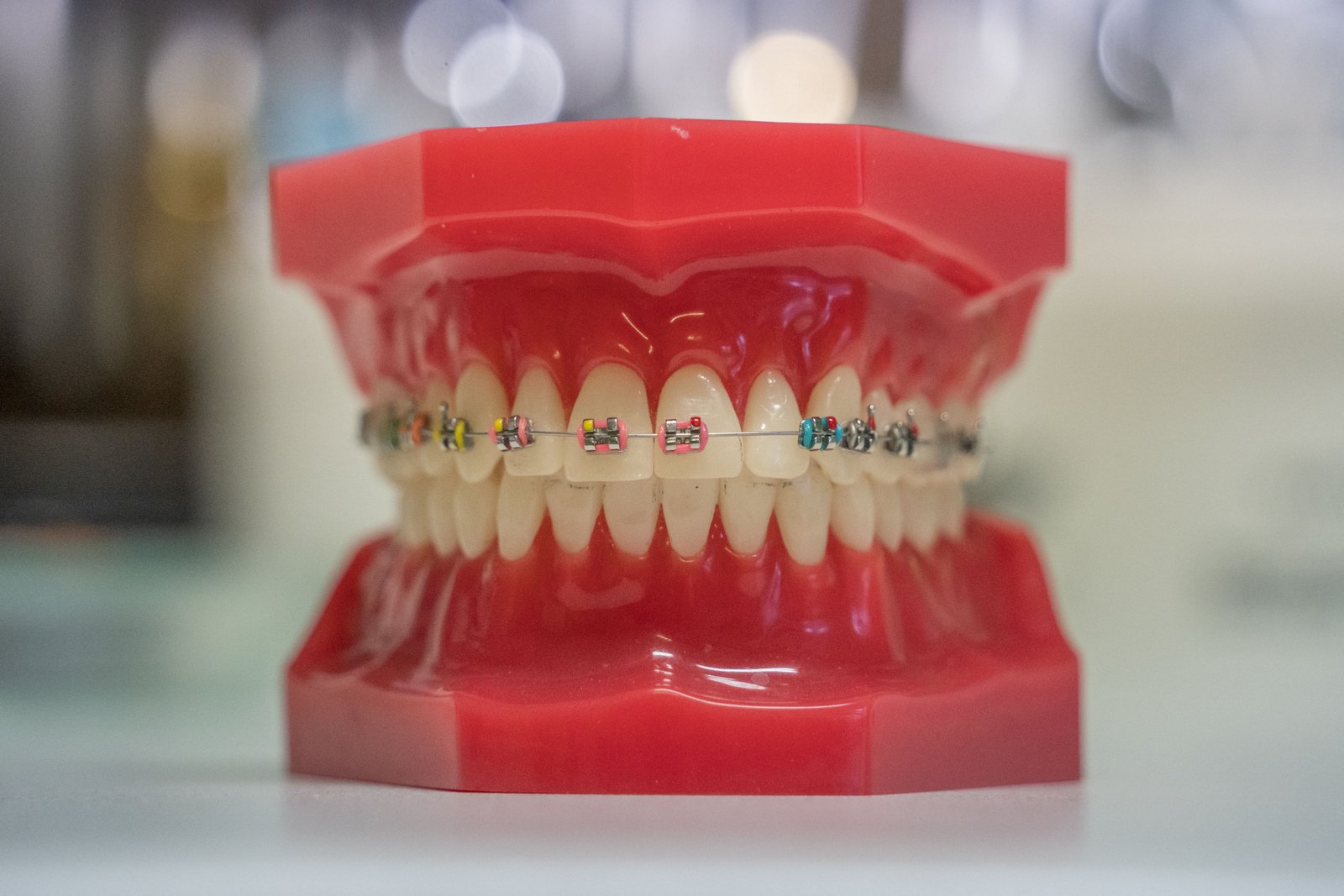
When most people hear the word "braces", they picture metal brackets permanently cemented to the teeth. However, a significant portion of orthodontic treatment—especially in children and young teenagers—relies on Removable Orthodontic Appliances.
Unlike fixed braces that move teeth continuously 24/7, a removable appliance is exactly what it sounds like: a device that the patient can manually take in and out of their mouth. Traditionally, these consist of a custom-molded hard acrylic (plastic) base that rests against the roof of the mouth or the floor of the jaw, equipped with specialized stainless steel active springs, clasps, or expansion screws that exert pressure on specific teeth.
2. The Anatomy of Removable Appliances
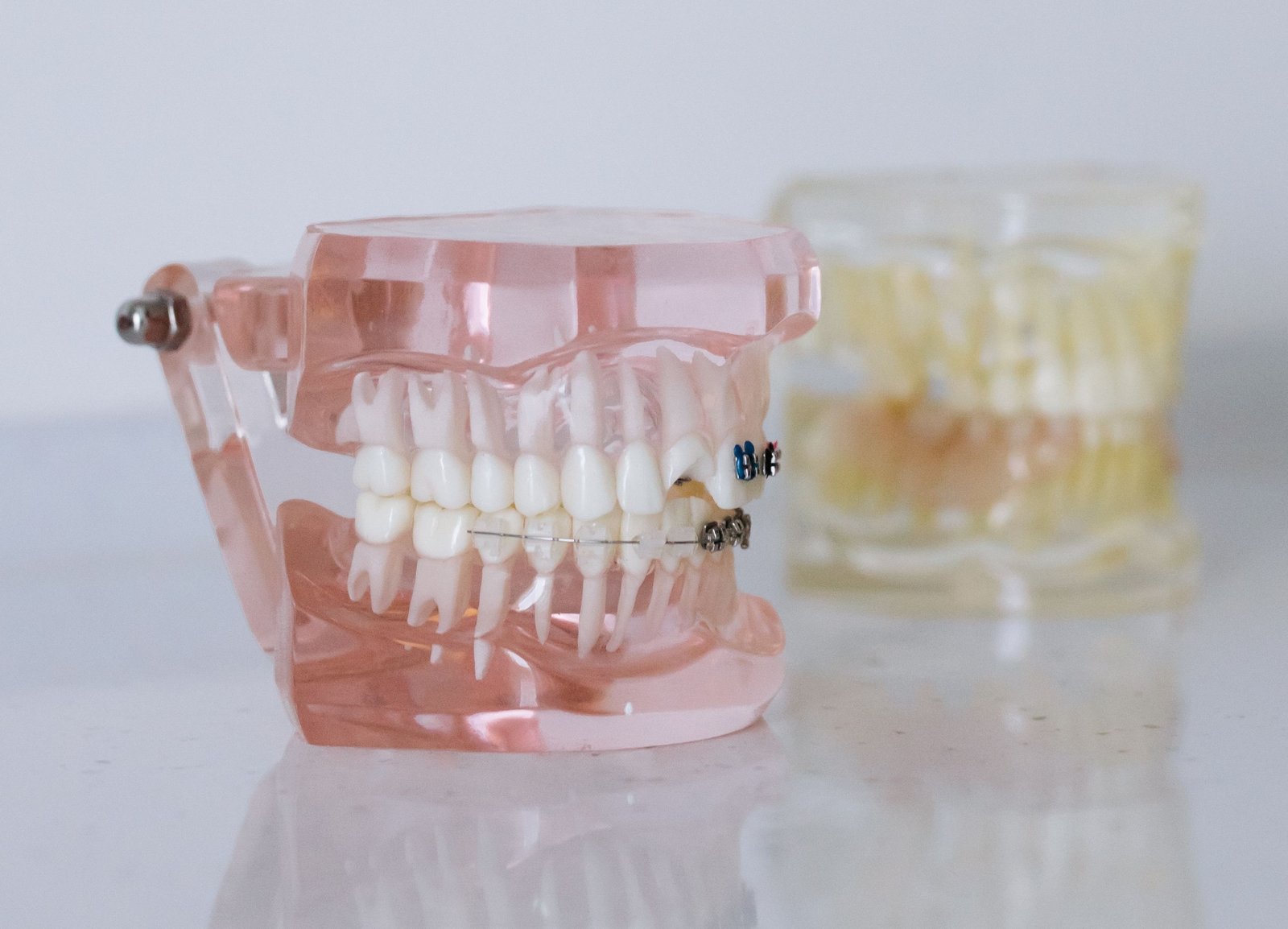
While clear aligners are technically removable, the term "removable braces" in clinical orthodontics usually refers to active acrylic plates or functional appliances. They possess three main components:
The Baseplate
Made of medical-grade acrylic. It provides the foundation, anchoring the metal components and distributing pressure across the jawbone and palate.
Retentive Clasps
Small wire hooks (often called Adams clasps) that tightly grip the back molars, ensuring the appliance snaps securely into place and doesn't fall out while speaking.
Active Elements
The "engine" of the appliance. These are springs that push specific teeth forward, or central expansion screws that physically widen the jawbone over time.
3. When Are They Used? (Interceptive Orthodontics)
Removable braces are not a replacement for traditional fixed braces; they are often a Phase 1 treatment. They are most powerful when utilized during a child's active growth spurt (typically between ages 7 to 11).
-
Palatal Expansion (Widening the Jaw): If a child's upper jaw is too narrow, causing severe crowding or a crossbite, a removable plate with an expansion screw is used. The parent turns the screw slightly each week, gently stimulating the bone suture to grow wider, creating space before the adult teeth even erupt.
-
Functional Appliances (Fixing Overbites): Devices like the "Twin Block" are used when a child's lower jaw is growing too slowly (resulting in a severe overbite or "buck teeth"). The appliance physically postures the lower jaw forward, stimulating muscular and skeletal growth to balance the profile.
-
Minor Tipping Movements: Used to fix a single tooth that is trapped behind the others (anterior crossbite) by utilizing a small active spring to push it over the bite.
The Compliance Factor
The single biggest disadvantage of removable braces is that the patient can remove them. For active growth modification or expansion to work, the appliance must be worn for 16 to 22 hours every single day. If a child consistently leaves the appliance in their pocket or backpack, the teeth will rapidly relapse, and the entire treatment timeline will fail, ultimately requiring more severe extractions or surgery later in life.
4. The Clinical Workflow
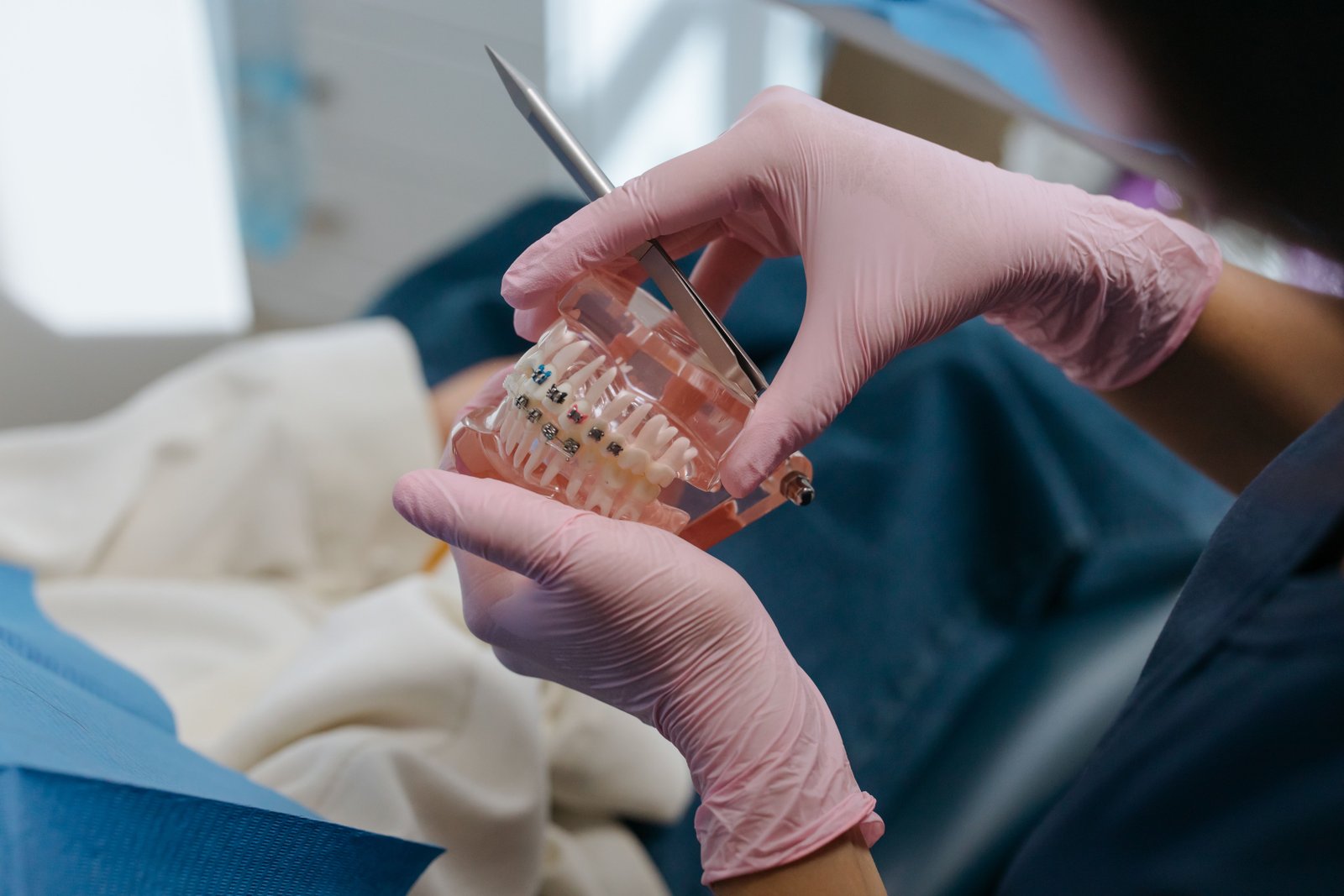
Fabricating a custom removable appliance requires high precision to ensure it snaps comfortably into the child's growing mouth.
Diagnosis & Impressions
We utilize digital X-rays (Cephalograms) to analyze jaw growth trajectories. An exact physical or digital impression is taken of the patient's upper and lower dental arches.
Laboratory Fabrication
The impressions are sent to a specialized orthodontic laboratory. Technicians pour a plaster model and custom-bend the stainless steel clasps and springs, setting them into high-strength, brightly colored acrylic.
The Fitting Appointment
The appliance is inserted into the patient's mouth. The doctor adjusts the wire clasps for a tight, secure "snap" fit and activates any necessary springs. The patient and parents are taught how to insert and remove it safely.
Monthly Adjustments
Unlike fixed braces where the wire is changed, for a removable brace, the doctor manually uses specialized pliers to tighten the springs or clasps every 4 to 6 weeks to ensure continuous guided pressure.
5. Cost of Removable Braces in Varanasi
Removable appliances are generally more cost-effective than full fixed metal braces, making them an excellent investment for early interceptive treatment that prevents complex surgery later.
| Type of Appliance | Est. Cost Range (INR) | Primary Use |
|---|---|---|
| Simple Active Plate (Hawley with Springs) | ₹5,000 – ₹12,000 | Minor tipping of one or two teeth and space maintenance. |
| Expansion Plate (With Jack Screw) | ₹10,000 – ₹18,000 | Widening narrow dental arches and correcting crossbites. |
| Functional Appliance (e.g., Twin Block) | ₹15,000 – ₹25,000 | Significant growth modification for severe overbites. |
Note: Total cost varies based on laboratory fees and the estimated duration of the monthly adjustments.
6. Hygiene and Maintenance Rules
Because the appliance covers the roof of the mouth, it can trap plaque and bacteria against the gums, leading to severe inflammation (palatal hyperplasia) if not kept meticulously clean.
Rules for Success
- • Remove the appliance to eat, swim, or play contact sports.
- • Brush the appliance twice daily using a separate toothbrush and mild liquid soap (not abrasive toothpaste, which scratches the acrylic).
- • Always store it in the provided hard plastic case. Do not wrap it in a napkin; it will accidentally be thrown away.
Actions to Avoid
- • Do not boil the appliance or wash it in very hot water; the acrylic will warp permanently.
- • Do not "click" or flip the appliance in and out with your tongue. This will rapidly snap the metal retention wires.
- • Do not try to adjust the wire springs yourself with pliers.
7. Why Choose Ayaansh Dental Clinic?
Interceptive orthodontics requires profound knowledge of pediatric skeletal growth patterns. At Ayaansh Dental Clinic, we utilize advanced cephalometric analysis to pinpoint the exact optimal window for growth modification. Our specialists focus on achieving a balanced, healthy bite early in life, often drastically reducing or entirely eliminating the need for complex, costly traditional metal braces or jaw surgeries in the teenage years.
8. Frequently Asked Questions
Yes, temporarily. Because the acrylic covers the roof of your mouth behind the front teeth, your tongue has to adjust to the new volume. A noticeable lisp is common for the first 2 to 4 days, but reading aloud at home will quickly retrain your tongue, and the lisp will disappear.
Removable appliances are typically a "Phase 1" treatment designed to fix skeletal growth issues (like expanding a narrow jaw). While they fix the foundation, a short "Phase 2" of traditional fixed braces is often still required in the teenage years to perfectly align the individual adult teeth.
Stop wearing it immediately, as sharp edges can cut the gums, and bent wires will push teeth in the wrong direction. Place it in its protective case and call the clinic. Most acrylic cracks and snapped clasps can be successfully repaired by our laboratory.
It depends on the sport. For light activities, it is safe to leave in. However, for high-impact contact sports (football, martial arts, basketball), it must be removed and placed in a hard case to prevent the wires from lacerating the inner cheeks upon impact.

Dr. N Srivastava
AuthorBDS, MDS (BHU) • Prosthodontist & Implantologist
An expert trained at the prestigious Banaras Hindu University (BHU), Dr. N Srivastava specializes in comprehensive reconstructive dentistry and functional rehabilitation. She focuses on using advanced diagnostics and patient-first methodologies to deliver painless, premium care.