Quick Guide Summary
In this comprehensive medical guide to Removable Dental Prostheses, we explore:
1. What is a Removable Prosthesis?
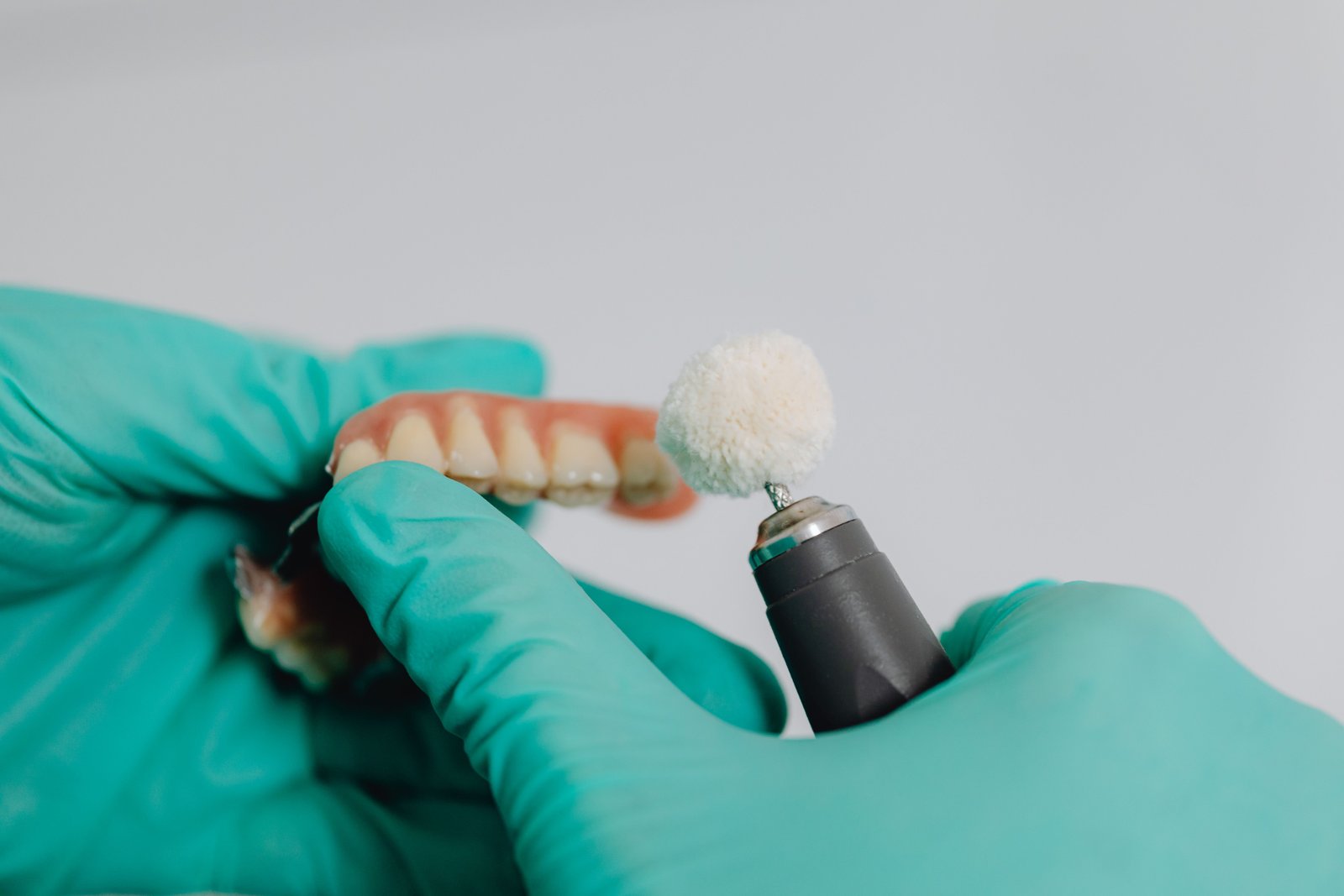
In the specialized field of prosthodontics, a Removable Dental Prosthesis is a custom-fabricated appliance designed to replace missing teeth and the surrounding soft tissues (gums and bone) that have been lost over time. As the name implies, these devices are designed to be inserted and safely removed by the patient for daily cleaning and resting of the oral tissues.
Tooth loss, whether due to severe periodontal disease, extensive decay, or trauma, leads to profound changes in facial structure. Without teeth to support the lips and cheeks, the lower face collapses, making a person look significantly older. Removable prostheses—commonly referred to as dentures—are meticulously engineered to restore this lost vertical dimension, allowing patients to chew, speak clearly, and smile with confidence again.
2. Types of Removable Dentures
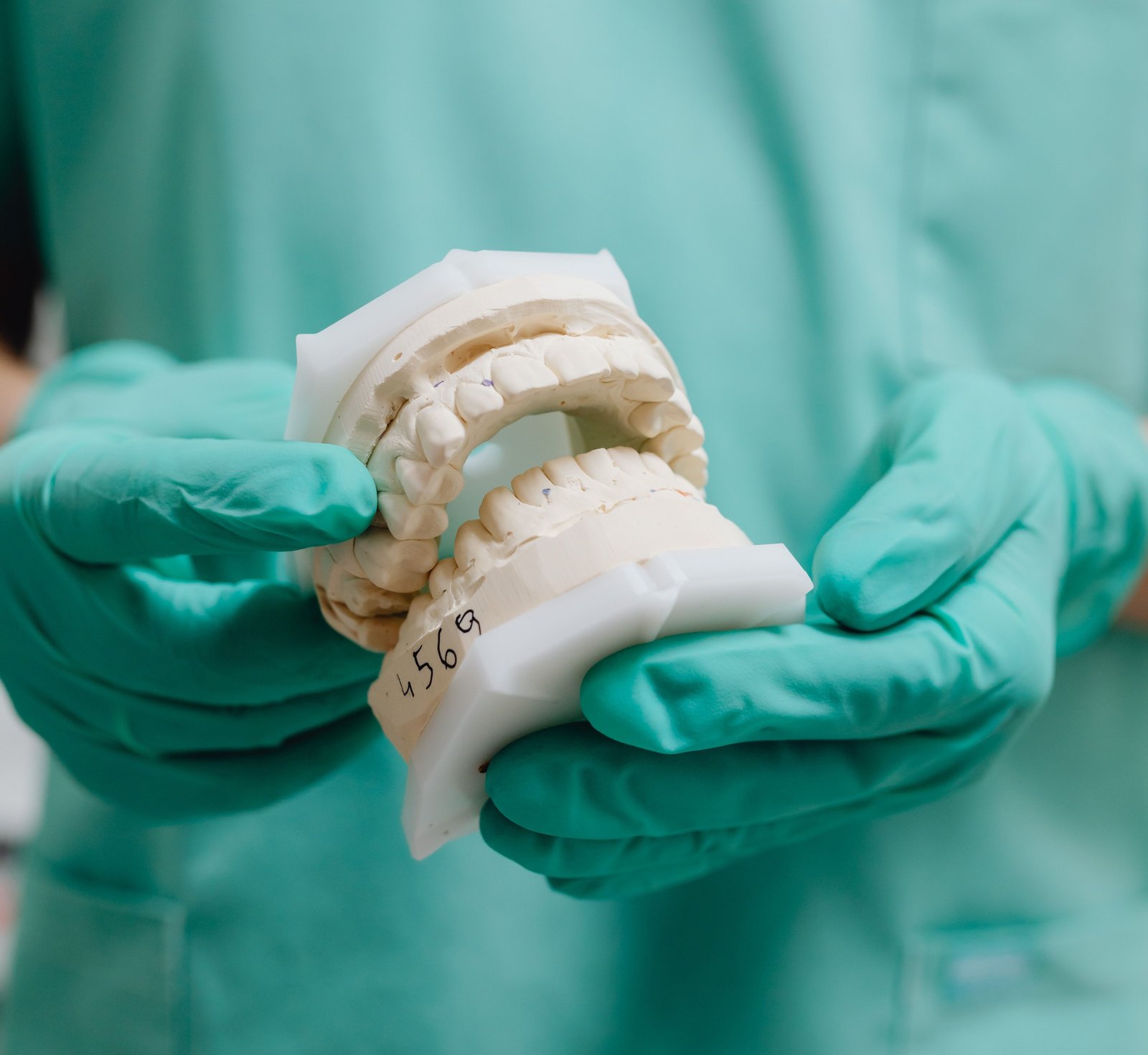
Depending on the number of missing teeth and the health of the remaining structures, we utilize various types of removable appliances.
Complete Dentures
Utilized when a patient has lost all their teeth in the upper or lower jaw. A flesh-colored acrylic base rests over the gums. The upper denture covers the palate to create a suction seal, while the lower denture relies on gravity and muscle control.
Acrylic Partial Dentures
Used when some natural teeth remain. These have an acrylic base with false teeth attached and usually feature small metal wire clasps that wrap around the remaining natural teeth to hold the appliance securely in place.
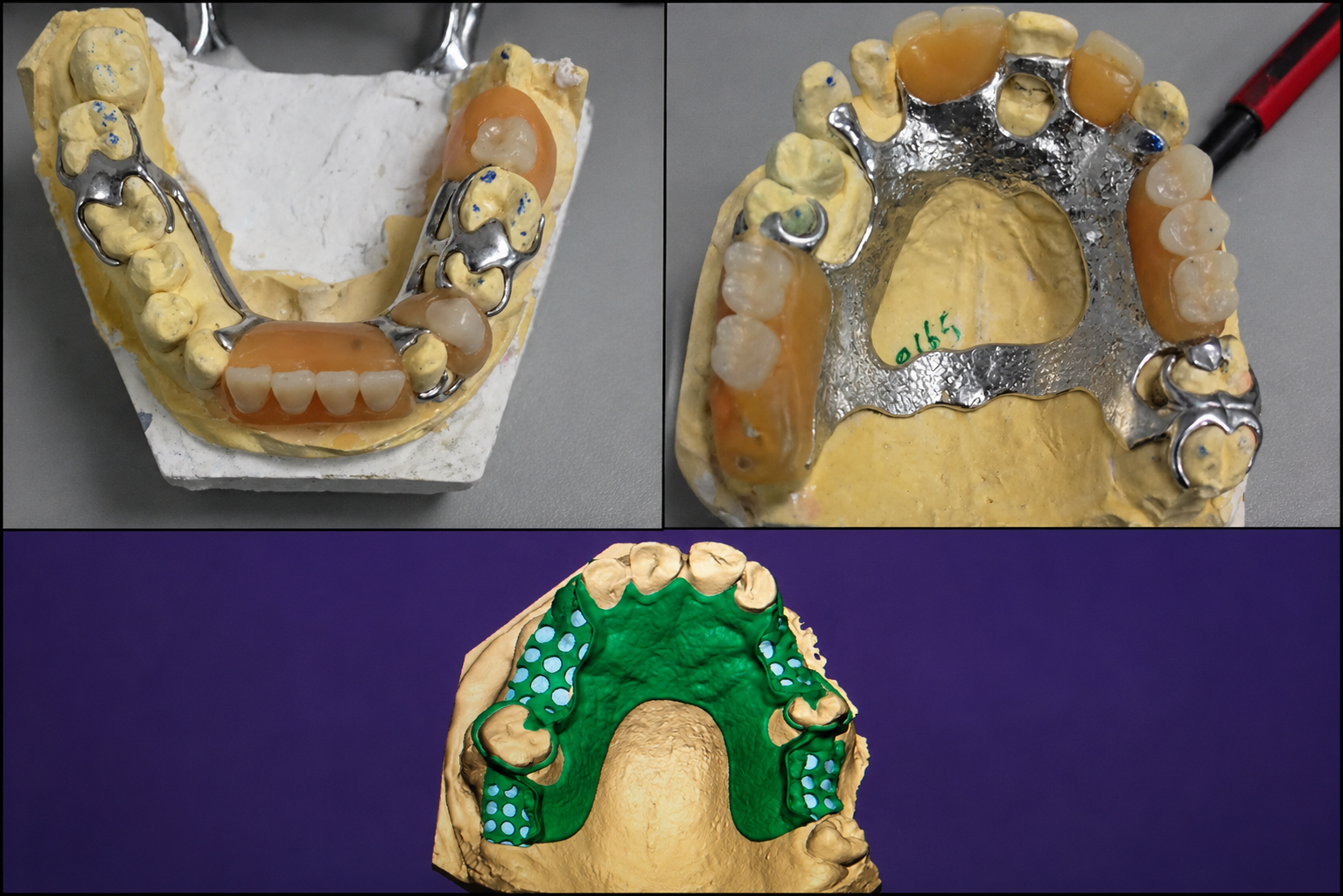
Cast Partial Dentures (CPD)
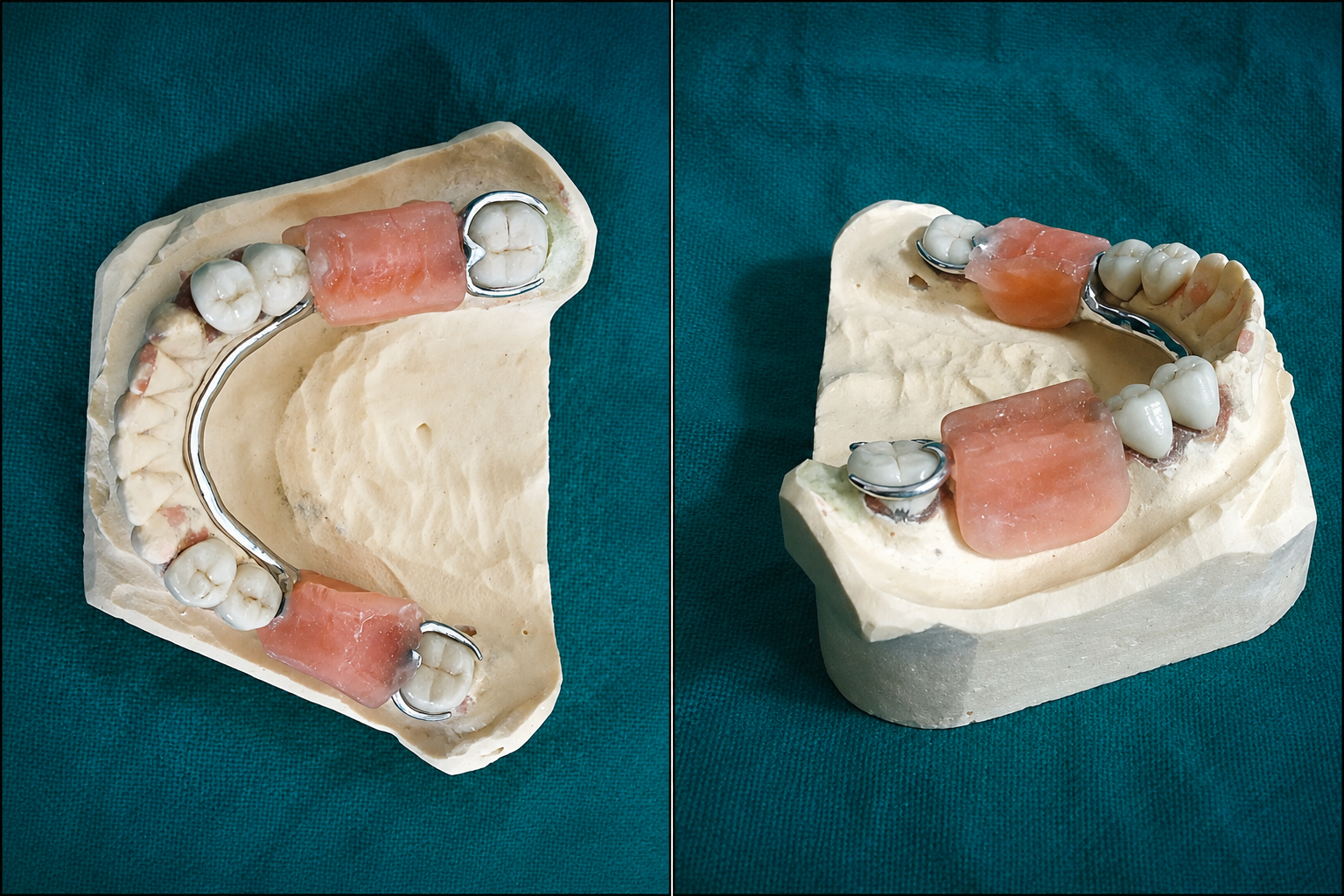
A highly durable, premium partial denture built on a cast metal framework (usually Chrome-Cobalt). They are much thinner, stronger, and more comfortable than acrylic partials, distributing chewing forces evenly across the remaining teeth.
Flexible Dentures (Valplast)
Made from a flexible thermoplastic material that adapts to the constant movement of the mouth. They do not require rigid metal clasps, making them highly aesthetic and comfortable, especially for replacing one or two front teeth.
The Modern Upgrade: Implant-Supported Overdentures
Traditional lower complete dentures are notorious for being loose and floating around during eating or speaking because the tongue constantly lifts them. The ultimate modern solution is an Implant-Supported Overdenture.
By surgically placing 2 to 4 dental implants into the jawbone, we can attach special "snap-on" abutments (like buttons on a jacket). The removable denture snaps securely onto these implants. It provides rock-solid stability, allowing you to eat hard foods with absolute confidence, yet can still be removed at night for easy cleaning.
3. The Clinical Workflow
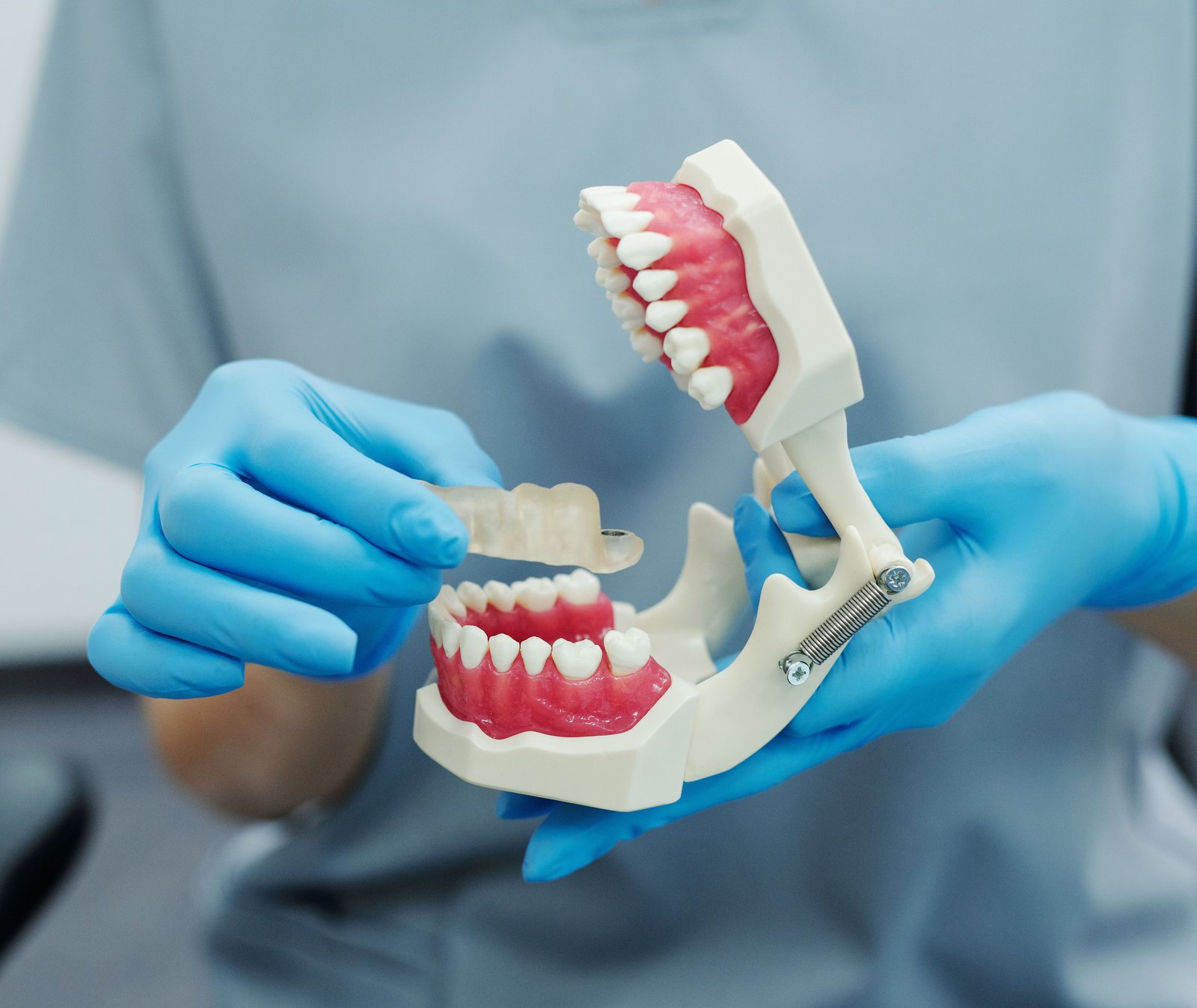
Fabricating a well-fitting removable prosthesis is an art form that requires multiple precise appointments. A poorly fitted denture will cause severe pain and ulceration of the gums.
Primary & Secondary Impressions
We first take a general mold of your jaws. A custom tray is then created by the lab, which we use to take a highly detailed secondary impression, capturing every microscopic contour of your gums and muscle attachments.
Jaw Relation (Bite Registration)
Using wax blocks, we meticulously record the exact spatial relationship between your upper and lower jaws. We determine the correct height (vertical dimension) to ensure your face does not look sunken in.
The Wax Try-In
The laboratory sets the artificial teeth into the wax bases. You try this mockup in the clinic. We assess your speech, the aesthetics of the teeth, and how they support your lips. You must approve the appearance before the final processing.
Final Delivery & Adjustments
The wax is replaced with hard, medical-grade pink acrylic. The denture is delivered to you. Because the gums must adapt to the new hard plastic, you will likely return a few times over the next month for minor adjustments to relieve sore spots.
4. Cost of Dentures in Varanasi
The cost of a removable prosthesis depends on the type of appliance, the quality of the imported acrylics used, and whether implant support is incorporated.
| Prosthesis Type | Est. Cost Range (INR) | Coverage |
|---|---|---|
| Acrylic Partial Denture | ₹2,000 - ₹5,000 | Replacing 1 to 4 missing teeth. |
| Flexible Partial (Valplast) | ₹6,000 - ₹10,000 | Aesthetic replacement without metal clasps. |
| Complete Denture Set (Upper & Lower) | ₹15,000 - ₹35,000 | Full mouth replacement using high-impact acrylics. |
| Cast Partial Denture (CPD) | ₹12,000 - ₹20,000 | Premium metal framework for partial tooth loss. |
Note: For Implant-Supported Overdentures, the cost of the titanium implants is calculated separately. At Ayaansh Dental Clinic, we provide a full diagnostic estimate during your consultation.
5. Prosthodontic Expertise in Varanasi
Designing a comfortable, functional denture requires an exceptional understanding of oral anatomy and tissue dynamics. Located on BHU Trauma Centre Road in Lanka, Varanasi, Ayaansh Dental Clinic is dedicated to elite restorative care.
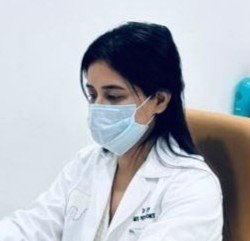
The clinic is directed by Dr. N Srivastava, an MDS Prosthodontist. Prosthodontics is the exact dental specialty focused on making artificial teeth. This advanced postgraduate training ensures that your dentures are not only aesthetically pleasing but are engineered to prevent painful sore spots and maximize your chewing efficiency.
6. Frequently Asked Questions
It typically takes 2 to 4 weeks for the oral tissues and facial muscles to adapt to a new removable prosthesis. You may produce extra saliva initially. During this time, eating soft foods cut into small pieces and practicing reading aloud will significantly accelerate your comfort and speech adaptation.
No. It is a strict clinical recommendation to remove your dentures at night. The gums that support your dentures were never biologically designed to bear constant pressure 24/7. Removing them gives your tissues a chance to breathe, recover, and prevents severe fungal infections like Denture Stomatitis.
Remove them after every meal and rinse them under water. Brush them daily using a soft-bristled "denture brush" and mild dish soap or specialized denture cleaner. Never use standard toothpaste, as its abrasive silica particles will scratch the soft acrylic, creating microscopic grooves where bacteria will hide and cause bad odors.
A properly fitted, newly made complete denture should not require adhesive to stay in place, as it utilizes natural suction. However, over the years, as your jawbone naturally shrinks and changes shape, the denture may become loose. In such cases, adhesive can be used temporarily, but a professional "reline" procedure by Dr. Srivastava is the correct clinical solution.
Dr. N Srivastava
AuthorBDS, MDS (BHU) • Prosthodontist & Implantologist
An expert trained at the prestigious Banaras Hindu University (BHU), Dr. N Srivastava specializes in dental implants, fixed prosthodontics, removable dentures, and cosmetic dentistry. She focuses on using advanced diagnostics and patient-first methodologies to deliver painless, premium care in Varanasi.