Quick Guide Summary
In this comprehensive medical guide, we explore both the restorative and preventive side of dentistry:
1. Understanding the Battle Against Decay
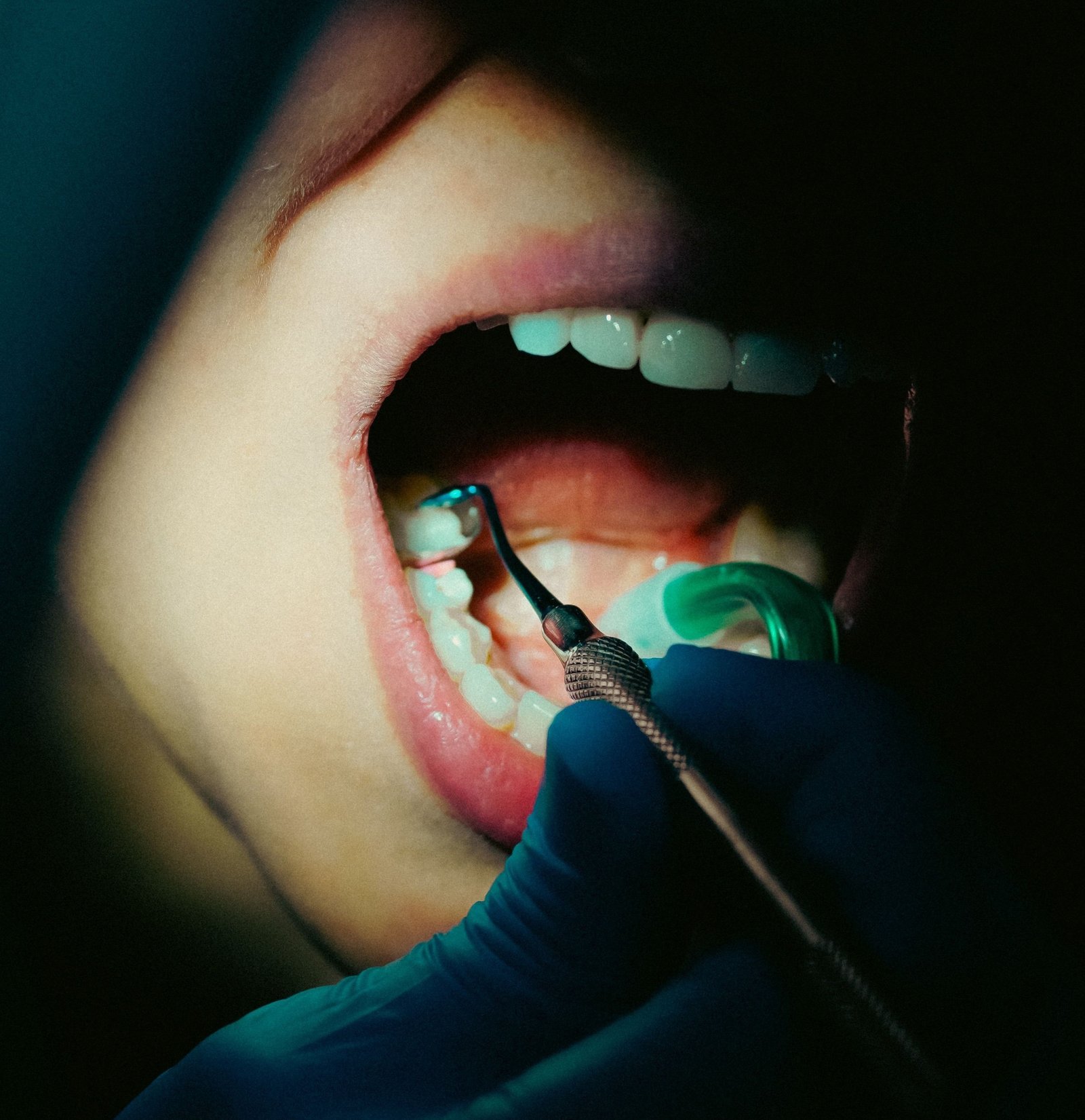
In dentistry, we constantly operate on a spectrum between prevention and restoration. When bacteria in our mouths feed on sugars, they produce harmful acids. Over time, these acids demineralize the hard outer layer of the tooth (enamel), creating a permanent physical hole known as a cavity (dental caries).
If a cavity has already formed, we must intervene with a Filling to clean out the infected tissue and restore the tooth's structural integrity. However, if a tooth is healthy but highly susceptible to trapping bacteria—particularly the deep, craggy grooves of back molars—we can proactively apply a Sealant to block bacteria from ever settling there.
2. Tooth-Colored Composite Fillings
For over a century, dentists relied on silver amalgam to fill cavities. While strong, amalgam contains mercury, requires the removal of healthy tooth structure to create a "mechanical lock," and turns teeth an unsightly grey.
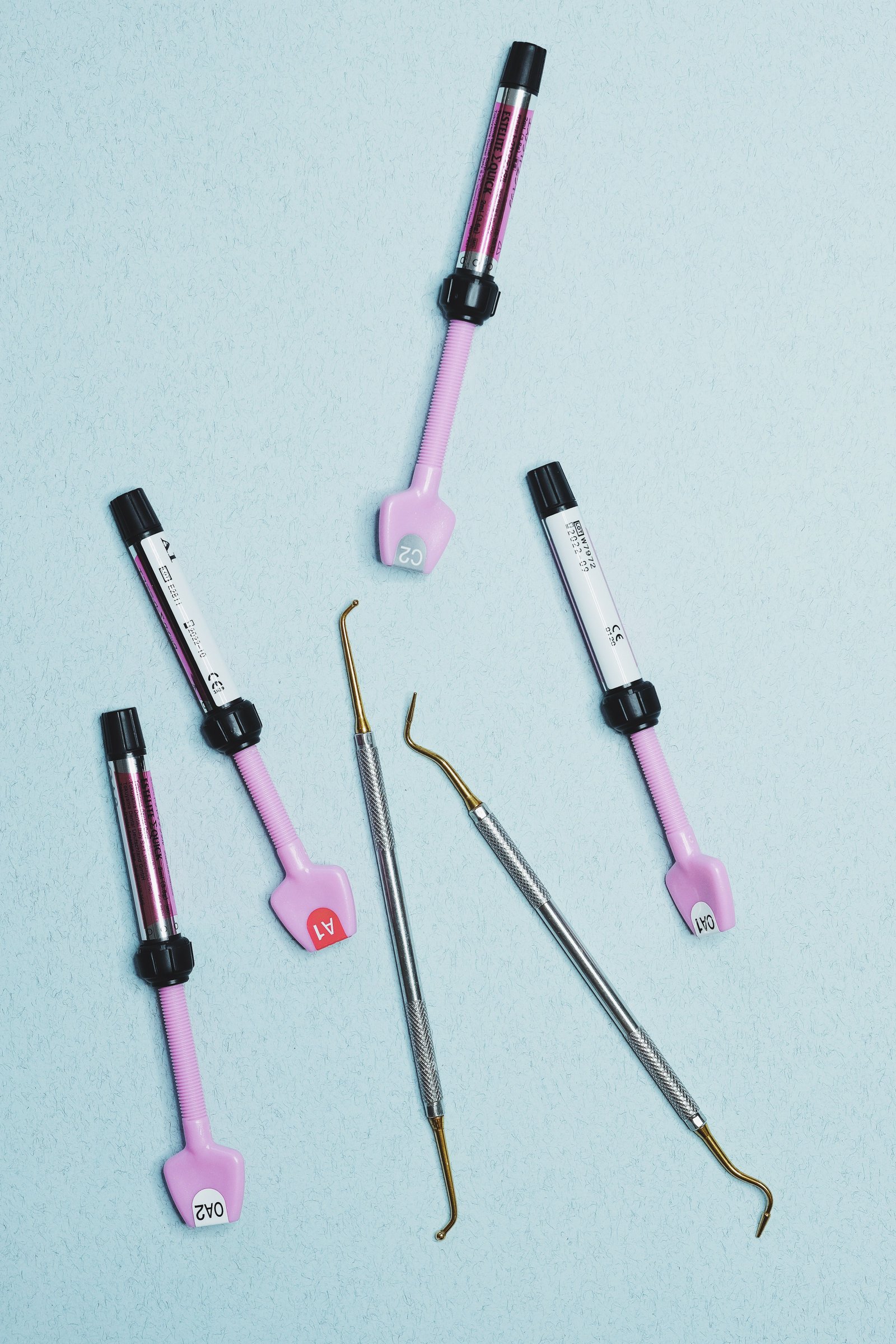
At Ayaansh Dental Clinic, we exclusively utilize Composite Resin. This is a highly advanced, tooth-colored mixture of specialized plastics and glass matrix.
Clinical Benefits
- • Blends invisibly with your natural tooth shade.
- • Conservative: We only drill away the decay, as the resin chemically bonds to the enamel, requiring less drilling.
- • Strength: By bonding directly to the tooth, composite actually reinforces and binds the remaining enamel walls together.
When Do You Need One?
- • Visible dark spots or holes on your teeth.
- • Sharp, localized pain when eating sweet, hot, or cold foods.
- • Food consistently getting stuck in a specific tooth.
- • To replace old, leaking, or cracked silver amalgam fillings.
The Danger of Waiting
Enamel does not have nerve endings, which is why early cavities don't hurt. By the time a cavity causes pain, it has breached the enamel and reached the sensitive dentin layer. If left untreated, the bacteria will rapidly drill into the core pulp chamber. At that point, a simple 20-minute filling is no longer possible, and you will require a full Root Canal Treatment and a Dental Crown to save the tooth.
3. Pit and Fissure Sealants (Preventive Shield)
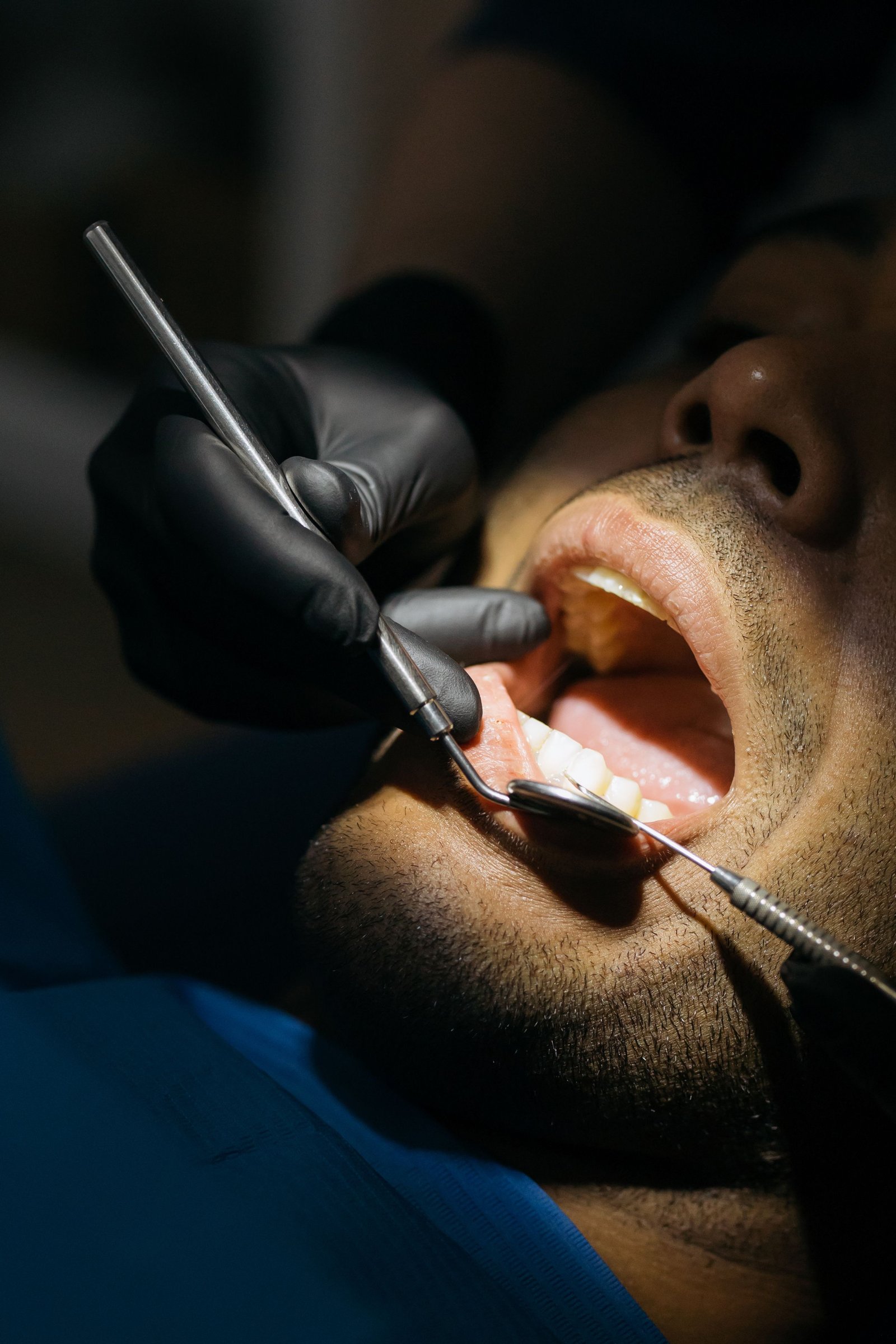
Take your tongue and run it over the chewing surfaces of your back teeth (molars). You will feel deep valleys, known clinically as pits and fissures. These grooves are often narrower than a single toothbrush bristle, making them impossible to clean thoroughly. As a result, 80% of all childhood cavities occur in these exact grooves.
Sealants are thin, flowable, tooth-colored plastic coatings painted directly onto these chewing surfaces.
How it Works: The flowable liquid seeps into the microscopic valleys, completely filling them in. We then use a curing light to instantly harden the liquid into a smooth, flat shield. Food and bacteria can no longer get trapped.
Who Needs It: Sealants are highly recommended for children as soon as their permanent molars erupt (around ages 6 and 12). However, adults with deep, cavity-prone grooves are also excellent candidates.
4. The Clinical Procedures
The Filling Process (Restorative)
Takes approximately 30-45 minutes per tooth.
Anesthesia & Preparation
Local anesthesia is applied so you feel zero pain. The infected, decayed, and mushy tooth structure is meticulously drilled away, leaving only healthy, hard enamel and dentin.
Etching & Bonding
A mild acidic gel is applied to the tooth to open microscopic pores (etching). A liquid bonding agent is then painted on to act as the chemical "glue."
Placement & Curing
The pliable composite resin is packed into the cavity layer by layer. A specialized blue LED curing light is held over the tooth, instantly hardening the resin. Finally, the filling is polished to match your bite.
The Sealant Process (Preventive)
Completely painless, requires absolutely no drilling or needles. Takes 5 minutes per tooth.
Cleaning & Drying
The tooth is thoroughly cleaned with a specialized paste and dried. It must be completely dry for the sealant to stick.
Application & Hardening
The flowable liquid sealant is painted into the grooves. A curing light hardens it instantly into a tough plastic shield.
5. Cost of Fillings & Sealants in Varanasi
Treating a cavity early with a filling, or preventing it entirely with a sealant, is the most cost-effective decision you can make in dentistry.
| Procedure / Material | Est. Cost Range (Per Tooth) | Clinical Use |
|---|---|---|
| Pit & Fissure Sealant | ₹800 – ₹1,500 | Preventing decay in healthy, deeply grooved molars. |
| GIC (Glass Ionomer) Filling | ₹1,000 – ₹1,800 | Temporary restorations or pediatric primary teeth. Releases fluoride. |
| Light-Cured Composite Resin | ₹1,500 – ₹2,500+ | Permanent, highly aesthetic restorations for adults and permanent teeth. |
Note: At Ayaansh Dental Clinic, we utilize premium, imported composites that resist staining and shrinkage. Exact pricing depends on the size and depth of the cavity.
6. Aftercare & Longevity
Modern composite fillings and sealants are immediately hardened by the curing light in the clinic. This means you can eat and drink as soon as the numbness from the local anesthesia wears off (usually 1-2 hours).
Expected Lifespan
- • Composite Fillings: Typically last 7 to 10 years, and often much longer with excellent hygiene.
- • Sealants: Usually last 3 to 5 years. They endure intense chewing forces and naturally wear away over time, at which point they can easily be reapplied.
Maintenance
- • Brush twice and floss daily. A filled tooth can still get a new cavity around the edges.
- • Avoid chewing on extremely hard objects like ice, pens, or unpopped popcorn kernels, which can chip the resin.
7. Why Choose Ayaansh Dental Clinic?
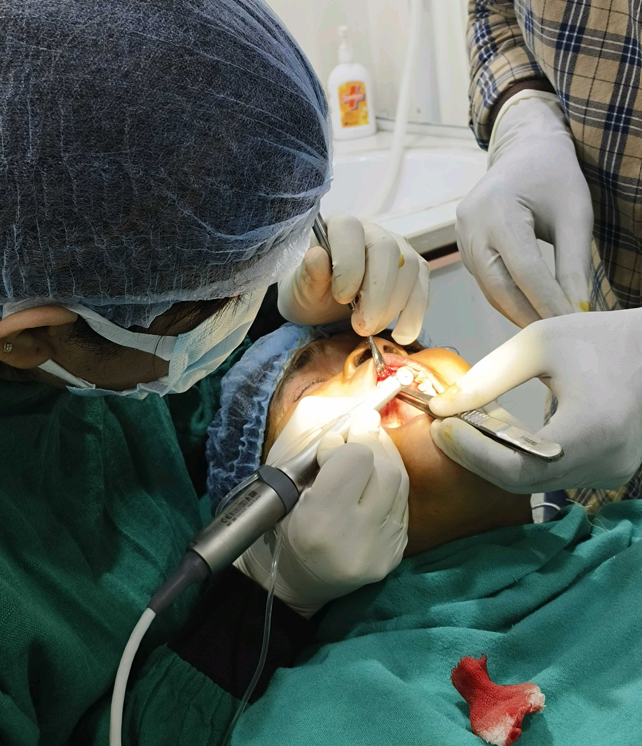
A filling is more than just plugging a hole; it is a meticulous restoration of anatomy. At Ayaansh Dental Clinic, Dr. N Srivastava, an MDS Prosthodontist from BHU, ensures that every composite filling is perfectly contoured to match your natural bite. We utilize strict isolation protocols to ensure the bonding area remains bone-dry, guaranteeing a restoration that won't leak, stain, or fall out prematurely.
8. Frequently Asked Questions
It is completely normal to experience mild sensitivity to cold or hot liquids for a few days to a week after a deep filling as the nerve calms down from the procedure. If the pain is sharp and throbbing when you bite down, contact us to check if the filling needs a slight bite adjustment.
Yes. We frequently remove old, leaking, or unsightly amalgam fillings and replace them with strong, aesthetic composite resin. This is a standard and highly requested cosmetic procedure.
At Ayaansh Dental Clinic, we use premium, medical-grade sealants that are rigorously tested and completely safe. The minute, trace amounts of BPA theoretically found in some older materials have been proven by the ADA to be negligible and significantly less than what you are exposed to in everyday dust or cosmetics.
If decay has destroyed more than 50% of the tooth structure, a simple filling won't provide enough strength and the tooth may fracture. In such cases, Dr. Srivastava will recommend a custom Dental Crown or an Onlay to properly restore the tooth's structural integrity.

Dr. N Srivastava
AuthorBDS, MDS (BHU) • Prosthodontist & Implantologist
An expert trained at the prestigious Banaras Hindu University (BHU), Dr. N Srivastava specializes in dental implants, crown and bridge treatments, full mouth reconstructions, and cosmetic dentistry. She focuses on using advanced diagnostics and patient-first methodologies to deliver painless, premium care.