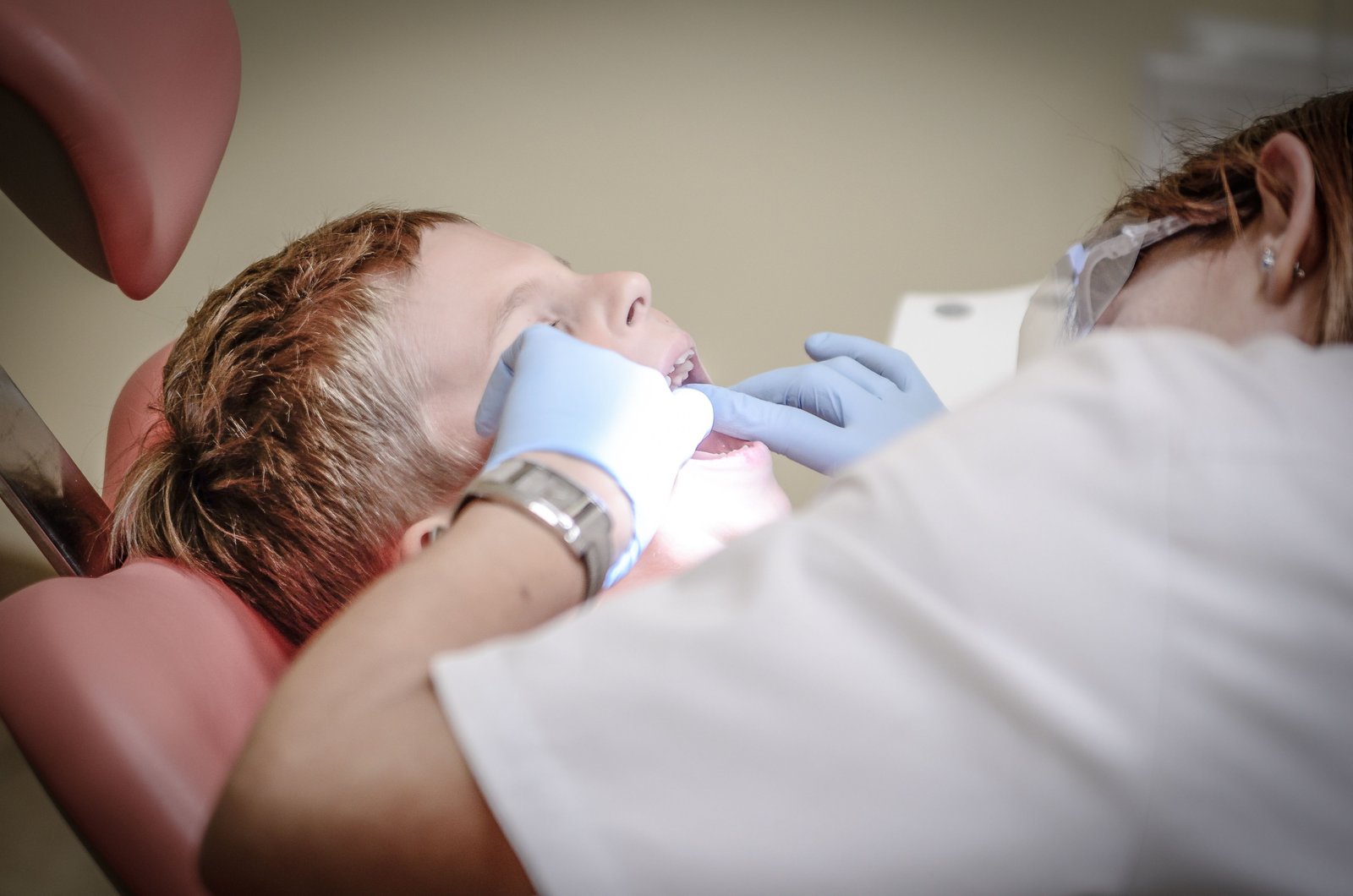
Quick Guide Summary
In this comprehensive medical guide to pediatric early orthodontics, we explore:
1. What is Interceptive Orthodontics?
Traditionally, parents wait until all of their child's permanent adult teeth have erupted (usually around ages 12 to 14) to seek orthodontic care. However, if a child has a severe structural jaw issue, waiting until the teenage years means the jaw bones have already fused and hardened. Correcting the issue at that stage often requires complex adult treatments, severe tooth extractions, or even major jaw surgery.
Interceptive Orthodontics (also known as Phase 1 Treatment) is a proactive, early intervention strategy utilized while a child is still rapidly growing, typically between the ages of 7 and 11. Instead of just straightening crooked teeth, the primary goal of Phase 1 is to physically guide and modify the growth of the child's jaw bones, creating adequate space for incoming adult teeth and establishing a harmonious facial profile early on.
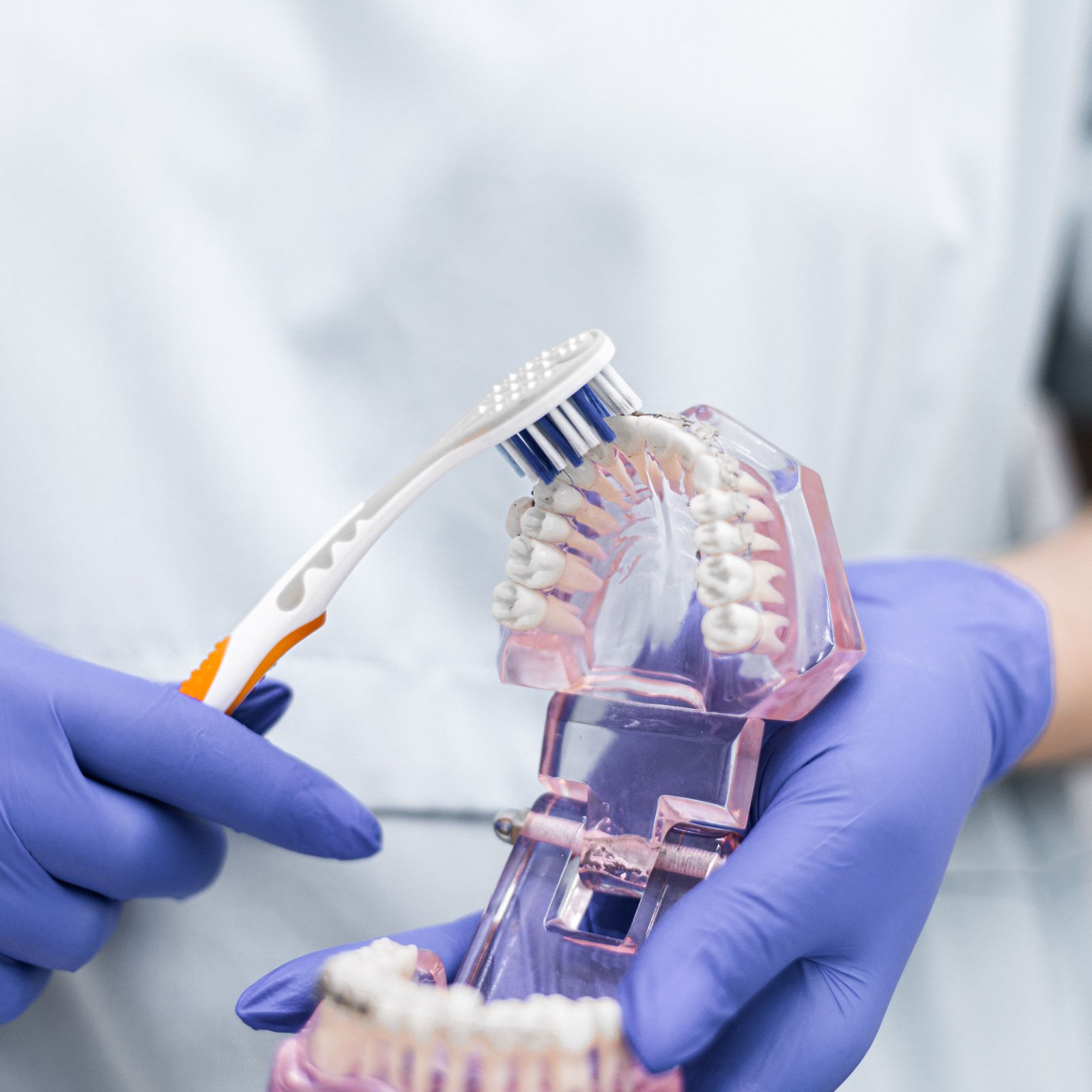
2. The Golden Age of Evaluation: Age 7
The American Association of Orthodontists globally recommends that every child receive their first orthodontic evaluation no later than age 7. Why is this age so critical?
The Six-Year Molars
By age 7, the first set of permanent adult molars have usually erupted. These molars establish the back bite and anchor the entire architecture of the mouth. At this exact stage, an orthodontic specialist can definitively evaluate side-to-side and front-to-back tooth relationships. We can accurately predict if there will be enough space for the rest of the adult teeth, or if a severe overbite or crossbite is developing.
3. Warning Signs Your Child Needs Early Care
While your pediatric dentist will monitor your child's development, parents should actively look for specific red flags that indicate an immediate need for an interceptive evaluation:
Growth & Habit Issues
- • Thumb Sucking: Persistent sucking past age 5 physically forces the upper jaw forward and the palate upward.
- • Mouth Breathing: Chronic breathing through the mouth alters facial muscle forces, resulting in a narrow, high upper jaw.
- • Difficulty chewing, biting, or speaking clearly.
Dental & Bite Issues
- • Crossbite: Top teeth rest inside the bottom teeth. This causes the jaw to shift to one side, leading to asymmetric facial growth.
- • Early or Late Loss: Premature loss of baby teeth due to decay causes adult teeth to drift and block empty spaces.
- • Severely crowded or severely protruding (buck) front teeth.
The Cost of Delaying
Ignoring a severe crossbite or an undersized jaw during childhood forces the facial bones to grow asymmetrically. By the teenage years, the palate fuse completely solidifies. Attempting to expand a narrow jaw or fix a severe skeletal overbite at age 16 or 18 often requires traumatic and expensive surgical intervention (Orthognathic Surgery) that could have been entirely prevented with a simple appliance at age 8.
4. Common Phase 1 Appliances
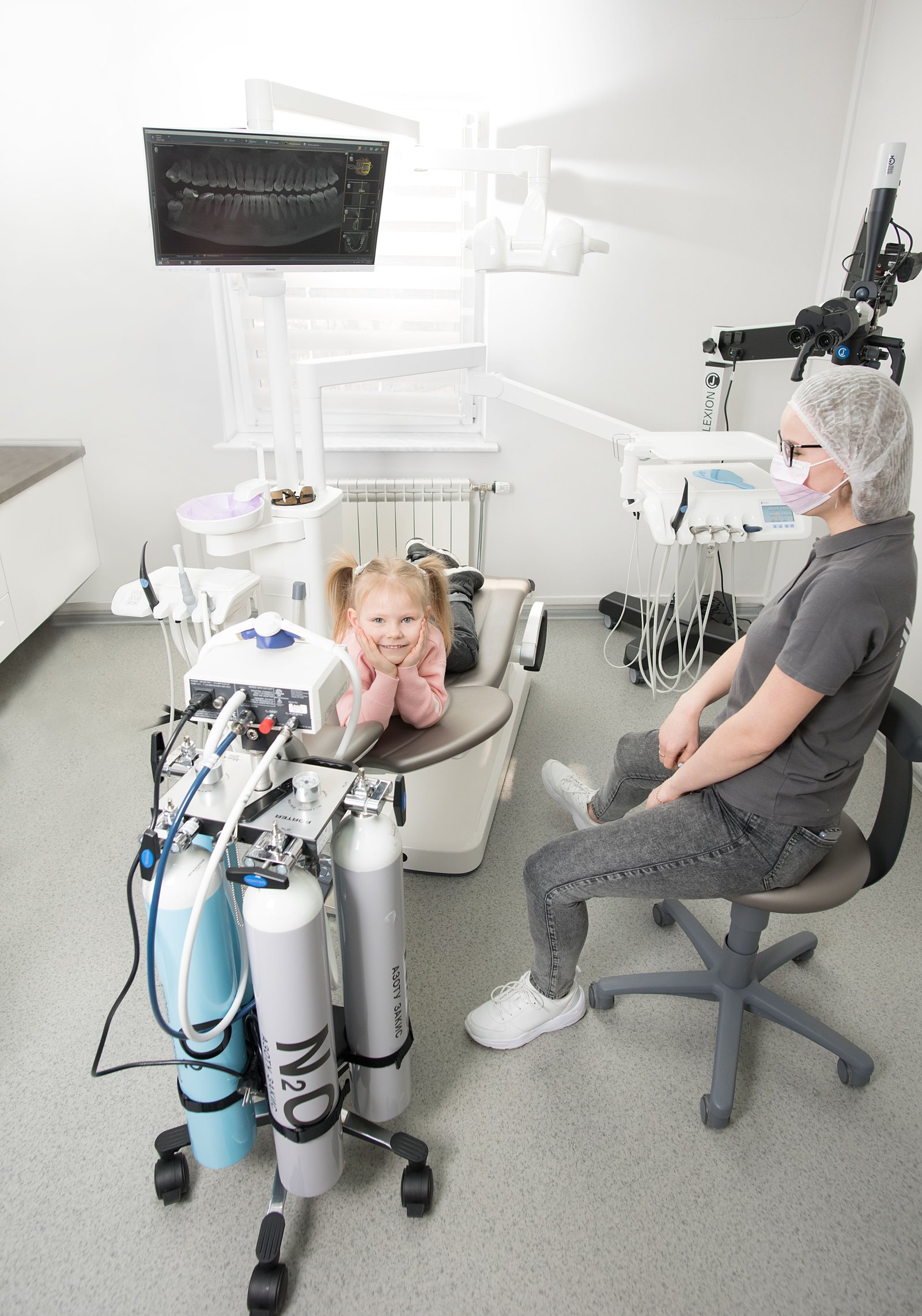
Depending on the specific skeletal diagnosis, interceptive treatment relies on highly specialized active appliances rather than full traditional braces.
-
Palatal Expanders (RPE) The most common Phase 1 device. If the upper jaw is too narrow, a custom device is glued to the upper molars with a central screw. Turning the screw slightly each day painlessly stimulates the mid-palatal suture to grow new bone, physically widening the upper jaw to fix crossbites and create massive amounts of room for crowded adult teeth.
-
Space Maintainers If a baby molar is lost early to severe decay, the neighboring teeth will rapidly drift into the empty gap, blocking the adult tooth trapped underneath from ever erupting. A small, passive metal wire loop is placed to physically hold the space open until the adult tooth is ready.
-
Functional Appliances (Twin Block) Used for severe overbites where the lower jaw is growing too slowly and resting too far back. These removable acrylic plates physically force the child to posture their lower jaw forward, stimulating muscle and bone growth to catch up with the upper jaw and balance the facial profile.
5. The Two-Phase Clinical Timeline
The true power of interceptive orthodontics is successfully utilizing a child's natural growth spurts. It is divided into distinct, highly monitored phases.
Phase 1: Active Skeletal Treatment (Age 7-10)
This phase typically lasts 9 to 14 months. The focus is entirely on fixing the foundation. Using expanders or functional appliances, we guide jaw growth, correct crossbites, and ensure all permanent teeth have a clear path to erupt. Partial braces may be placed on just the front four teeth to align severe protrusions.
The Resting Period
After Phase 1 completes, all appliances are removed. We simply wait. A retainer may be worn at night. During this 1 to 3-year resting period, we monitor the patient closely as the remaining baby teeth fall out and the final adult molars and canines naturally erupt into the newly created space.
Phase 2: Comprehensive Alignment (Age 12+)
Once all adult teeth are present, Phase 2 begins. Because the heavy lifting (bone manipulation) was completed years ago in Phase 1, Phase 2 is usually much shorter and simpler. A full set of traditional braces or clear aligners is used to fine-tune the exact positioning, rotation, and aesthetic bite of the individual adult teeth.
6. Cost of Interceptive Care in Varanasi
While executing a two-phase treatment plan may seem like double the cost, it actually prevents the need for highly complex, multi-year adult braces, costly jaw surgeries, or the extraction of healthy adult teeth later in life.
| Appliance / Treatment | Est. Cost Range (INR) | Primary Goal |
|---|---|---|
| Passive Space Maintainer | ₹3,000 – ₹6,000 | Holding space open for a trapped adult tooth. |
| Palatal Expander (RPE) | ₹12,000 – ₹20,000 | Widening narrow upper jaws to correct crossbites and severe crowding. |
| Phase 1 Partial Braces (Front Teeth Only) | ₹15,000 – ₹25,000 | Correcting severely protruding front teeth to reduce the risk of trauma and breakage. |
Note: Exact costs vary strictly based on the severity of the skeletal discrepancy and laboratory fabrication fees. We provide complete transparent plans after the initial age 7 evaluation scan.
7. Why Choose Ayaansh Dental Clinic?
Manipulating the growth of a child's facial bones requires extraordinary diagnostic precision and timing. At Ayaansh Dental Clinic, we utilize advanced digital cephalometric analysis to measure the exact skeletal trajectory of your child's jaw. Our team emphasizes patient comfort, ensuring that early interventions are performed gently, making the orthodontic journey a positive, fear-free experience for young patients.
8. Frequently Asked Questions
When you first turn the screw, your child will feel intense pressure at the roof of their mouth and tingling near the nose or cheeks for a few minutes. This is not painful, but the pressure feels strange. It usually subsides very quickly, and children adapt to the expander within 2 to 3 days.
Usually, no. Phase 1 sets the correct foundation (jaw size and position). However, as the remaining adult teeth erupt naturally over the next few years, they rarely erupt perfectly straight. Phase 2 (traditional braces) is almost always needed to perfectly detail the alignment and bite of those individual adult teeth.
If your child has a skeletal issue like a narrow upper jaw, waiting until age 13 means the bones have fused. We can no longer painlessly expand the jaw using natural growth. The treatment will likely require extracting four healthy adult teeth to make room, or potentially waiting until age 18 to perform surgical jaw reconstruction.
Yes. Vigorous, prolonged thumb or pacifier sucking past the age of 4 or 5 exerts immense physical force on the soft, growing jaw bones. It pushes the upper front teeth out, pulls the lower teeth in, and creates an "open bite" where the front teeth no longer touch when the mouth is closed.
Dr. N Srivastava
AuthorBDS, MDS (BHU) • Prosthodontist & Implantologist
An expert trained at the prestigious Banaras Hindu University (BHU), Dr. N Srivastava specializes in comprehensive reconstructive dentistry and functional rehabilitation. She focuses on using advanced diagnostics and patient-first methodologies to deliver painless, premium care.