Quick Guide Summary
In this comprehensive medical guide to Endodontic Retreatment, we explore:
1. What is Endodontic Retreatment?
With proper care, a tooth that has had Root Canal Treatment (RCT) can last a lifetime. However, occasionally, a treated tooth may not heal as expected. It might become painful or diseased months or even years after the initial procedure.
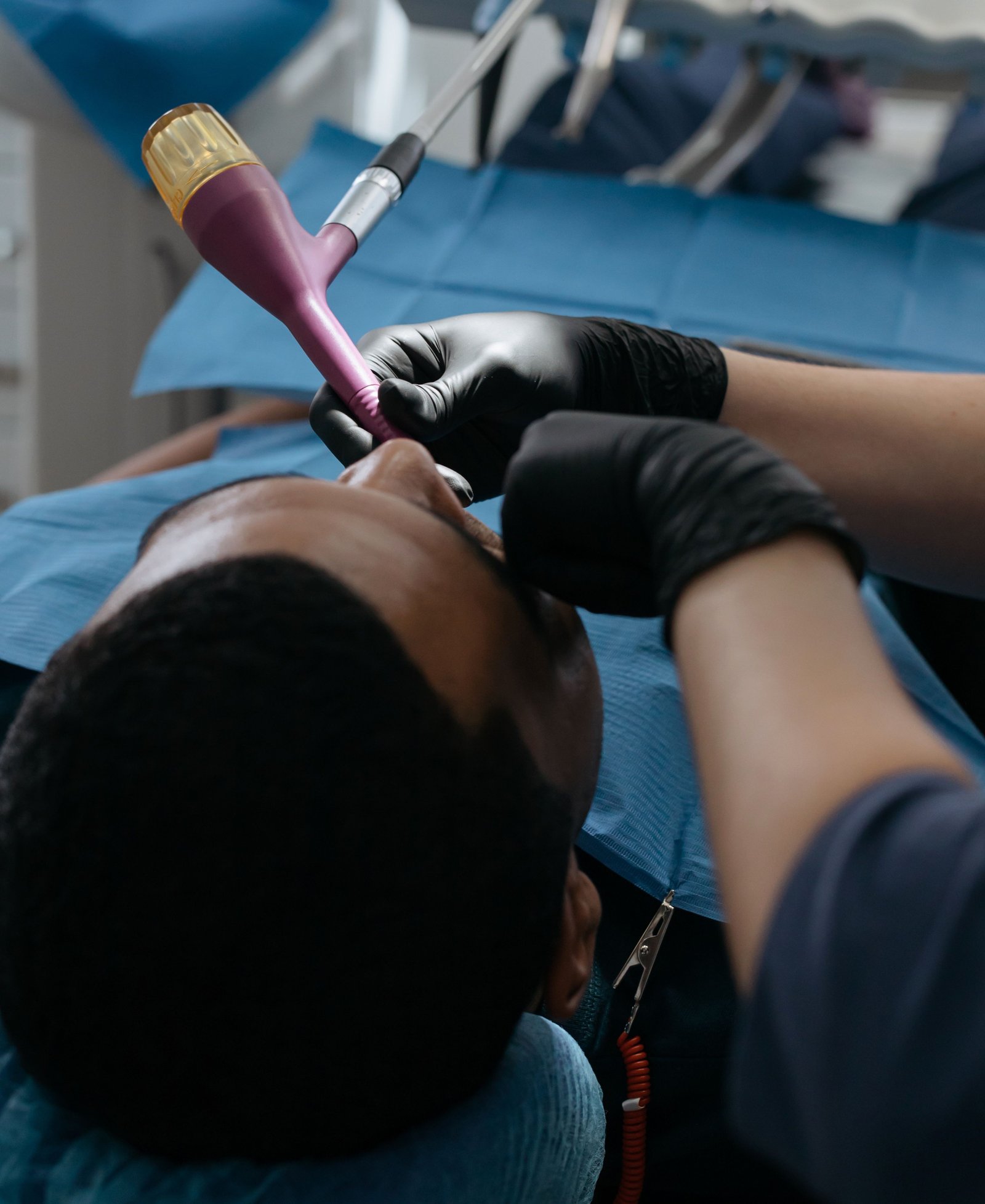
When this occurs, you have a second chance to save the tooth with a procedure called Endodontic Retreatment. During retreatment, the endodontist reopens the tooth, removes the old root canal filling materials, thoroughly cleans and sterilizes the intricate root anatomy, and places a new filling to promote complete healing of the surrounding jawbone.
2. Why Do Root Canals Fail?
A root canal fails when bacteria are allowed to re-enter the root system or when they were never fully eradicated in the first place. The most common reasons include:
Hidden Complex Anatomy
Teeth, especially molars, have incredibly complex, branching root structures. Narrow, curved, or extra microscopic canals might have gone undetected and untreated during the initial, older procedure.
Delayed Crown Placement
The placement of a permanent dental crown or restoration was delayed following the initial treatment, allowing salivary bacteria to seep back into the tooth and re-contaminate the sealed canals.
New Decay
A new cavity can form under a loose filling or at the margin of a crown, exposing the root canal filling material directly to oral bacteria, causing a fresh infection.
Cracked Restorations
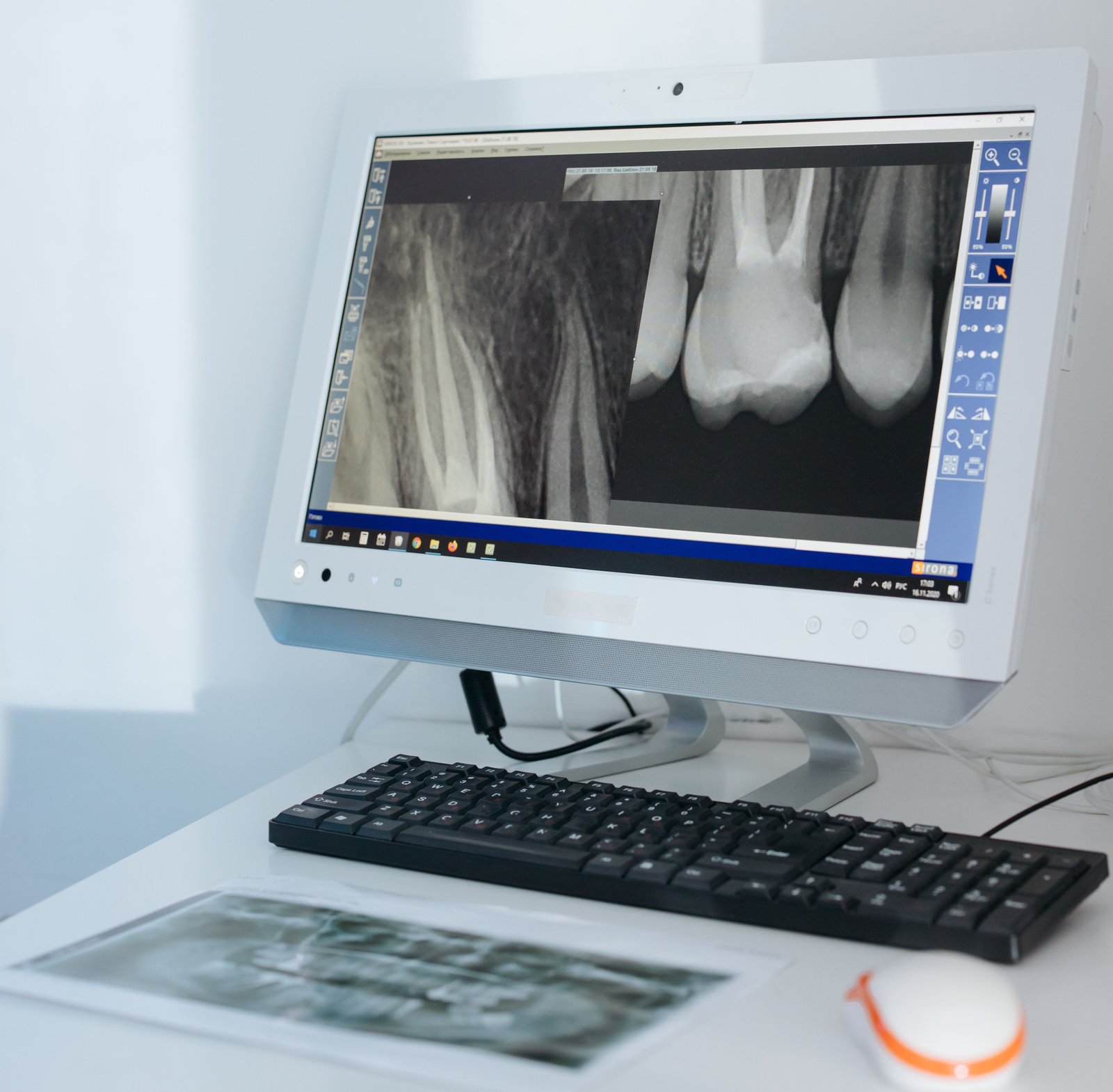
A cracked, broken, or loose crown/filling allows saliva to contaminate the root canal. Over time, this leads to a severe periapical abscess at the tip of the root.
3. Signs You Need a Retreatment
Sometimes, a failing root canal presents no symptoms and is only discovered during a routine dental X-ray. However, if you experience any of the following, you should seek an immediate evaluation:
- • Pain When Biting: A sharp or dull aching pain specifically when applying chewing pressure to the previously treated tooth.
- • Gum Swelling: A tender, swollen area or a small "pimple" (fistula) on the gums near the base of the tooth, which may occasionally drain bad-tasting pus.
- • Dull, Lingering Ache: A persistent ache in the jawbone area that radiates toward the ear or neck.
- • Tooth Mobility: The treated tooth feels slightly loose compared to the surrounding teeth.
4. The Retreatment Procedure (Step-by-Step)
Retreatment is often more complex than the initial root canal because the doctor must navigate through crowns, posts, and old filling materials to reach the root tips.

Access & Disassembly
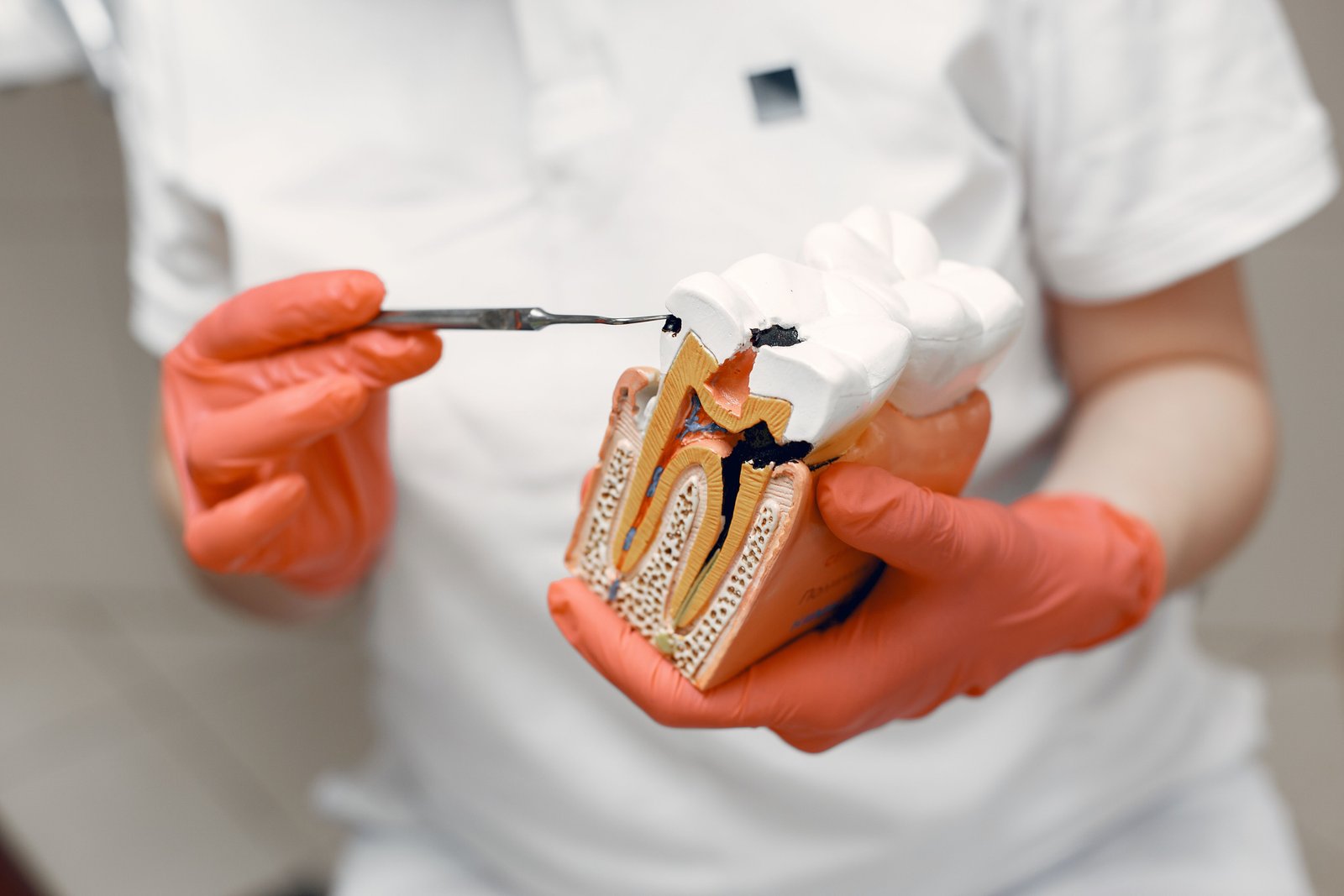
Under profound local anesthesia, the endodontist reopens the tooth. If you have a crown, post, or core material, these must be carefully disassembled, bypassed, or removed to gain clear access to the root canals.
Removing Old Materials
Using ultrasonic instruments and specialized rotary files, the old gutta-percha (root canal filling) and any adhesive sealants are meticulously cleaned out from every canal.
Deep Cleaning & Shaping
The now-empty canals are thoroughly examined, often using magnification, to search for hidden microscopic canals or unusual anatomy. The space is heavily irrigated with antibacterial solutions to eradicate the persistent infection.
Re-Sealing the Tooth
Once sterilized, the canals are filled with fresh, biocompatible gutta-percha and sealed hermetically. A temporary filling is placed. You will return soon after for a new, permanent crown to structurally protect the tooth.
5. The Role of Advanced Technology
Retreatment is an exercise in extreme precision. It requires technology that was likely not available when your initial root canal was performed decades ago.
3D CBCT Imaging & Microscopes
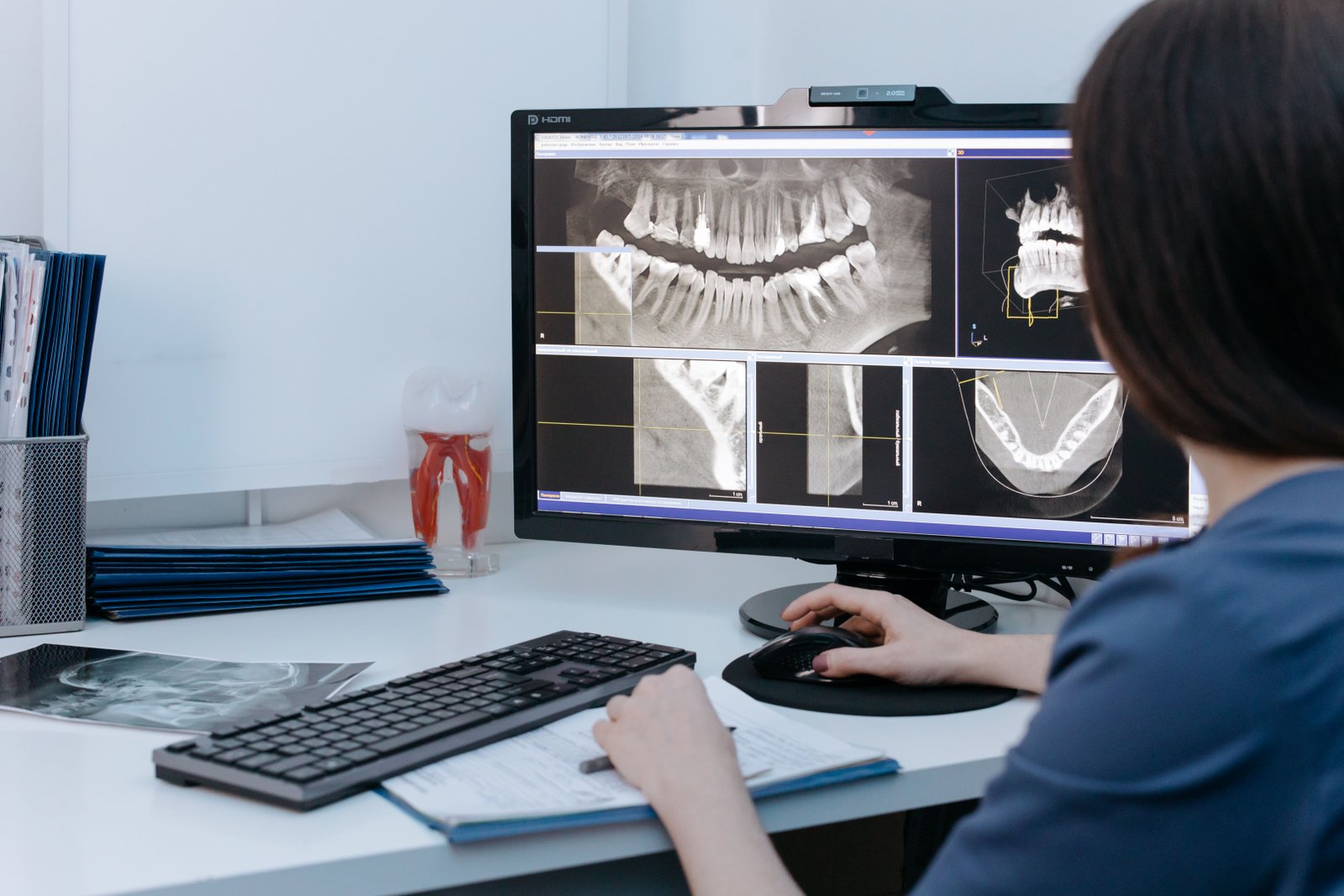
At Ayaansh Dental Clinic, we utilize advanced 3D CBCT scans to visualize the tooth in three dimensions. This allows us to spot microscopic extra canals, vertical root fractures, or cysts that a standard 2D X-ray misses. Furthermore, the entire retreatment procedure is performed using high-powered dental magnification, ensuring that not a single millimeter of infected tissue is left behind.
6. Retreatment vs. Extraction
When an old root canal fails, the only other clinical alternative to retreatment is tooth extraction. While extracting the tooth might seem like a faster fix, it creates a void that causes adjacent teeth to shift, compromising your bite and jawbone density.
To replace an extracted tooth, you will require an artificial Dental Implant or a bridge. Both of these restorative options are significantly more expensive, require more extensive surgery, and take longer to heal than a simple endodontic retreatment. Saving your natural tooth is always the most biologically sound and cost-effective medical decision.
7. Endodontic Expertise in Varanasi
Endodontic retreatment is a highly challenging procedure that demands specialized clinical skills and the latest technological equipment. Located strategically on BHU Trauma Centre Road in Lanka, Varanasi, Ayaansh Dental Clinic is fully equipped to manage these complex cases.
Directed by Dr. N Srivastava, a specialist from Banaras Hindu University (BHU), our clinic emphasizes preserving your natural dentition. Using advanced rotary endodontics and strict sterilization protocols, we can confidently eliminate deep-seated infections and restore your tooth to lifelong health.
8. Frequently Asked Questions
No. Just like your initial root canal, retreatment is performed under profound local anesthesia. The procedure itself is completely painless. You may experience some mild soreness or tenderness when chewing for a few days post-treatment as the surrounding bone infection begins to heal.
Sometimes, a small access hole can be drilled directly through the top of your existing crown to reach the canals, and the hole is simply filled afterward. However, if the crown is old, leaking, or blocking access to complex roots, it must be removed and replaced with a new one to guarantee success.
With modern technology like 3D CBCT scans and rotary instruments, the success rate for endodontic retreatment is exceptionally high (often above 85-90%). Once the source of the infection is properly removed and the tooth is crowned, it can easily last a lifetime.
Because it involves carefully removing old, hardened materials and searching for microscopic hidden canals, retreatment usually takes longer than a first-time root canal. It is often completed in one to two visits, depending on the severity of the jawbone infection.

Dr. N Srivastava
AuthorBDS, MDS (BHU) • Prosthodontist & Implantologist
An expert trained at the prestigious Banaras Hindu University (BHU), Dr. N Srivastava specializes in advanced diagnostics, complex endodontic restorations, and full mouth rehabilitations. She utilizes cutting-edge imaging and patient-first methodologies to deliver painless, premium care in Varanasi.