Quick Guide Summary
In this comprehensive medical guide to Endodontic Pathology, we explore:
1. What are Pulp and Periapical Diseases?
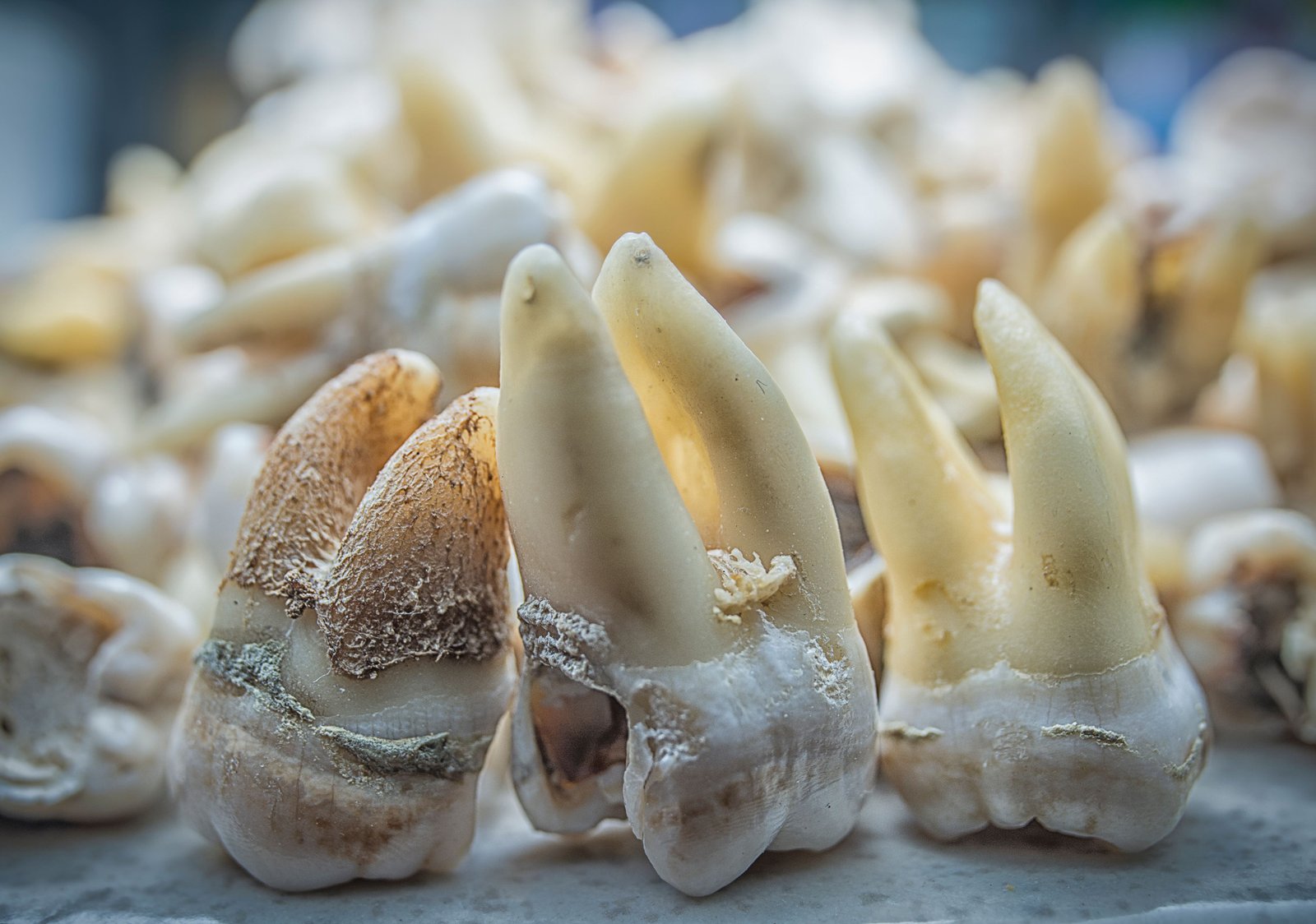
To understand dental pain, we must look inside the tooth. Beneath the hard, protective outer layers of enamel and dentin lies the dental pulp. This is a soft, living tissue housed within the pulp chamber and root canals, packed with blood vessels, connective tissue, and highly sensitive nerve endings.
When deep decay, severe trauma, or repeated dental procedures compromise the outer enamel, oral bacteria invade the pulp. This bacterial invasion triggers an intense inflammatory immune response. If the infection overwhelms the pulp, it travels down the root canal and exits through the tip of the root (the apex), spreading the disease into the surrounding jawbone—a region known clinically as the periapical area.
2. The Progression of Pulpal Disease
Pulpal disease is not a single event but a progressive clinical pathway. The symptoms change drastically as the condition worsens.
Stage 1: Reversible Pulpitis
The initial stage of inflammation. The pulp is irritated by a shallow cavity or recent dental drilling, but it is still alive and capable of healing. Symptoms: Sharp, fleeting pain when consuming cold or sweet foods that disappears within a few seconds after the stimulus is removed. Treatment: Removing the decay and placing a standard dental filling.
Stage 2: Irreversible Pulpitis
The bacterial invasion has overwhelmed the pulp. The tissue is severely inflamed, swollen, and dying. Because the tooth is a rigid box, the swelling causes immense internal pressure. Symptoms: Spontaneous, unprovoked throbbing pain. Extreme pain from hot liquids that lingers for minutes or hours. Pain that wakes you up at night. Treatment: Mandatory Root Canal Treatment (RCT) or extraction.
Stage 3: Pulpal Necrosis
The nerve tissue inside the tooth has completely died (necrosed). The blood supply has stopped. Symptoms: Ironically, the intense throbbing pain from hot/cold stimuli stops because the nerve is dead. However, the tooth may turn grey or black. The bacteria continue to multiply, waiting to exit the root tip.
3. Periapical Pathologies (When Infection Reaches the Bone)
Once the pulp is necrotic, the toxic byproducts and bacteria are pushed out of the root apex into the surrounding alveolar bone. This triggers a secondary line of diseases.
Symptomatic Apical Periodontitis
The ligament surrounding the root tip becomes severely inflamed. The patient will experience excruciating pain specifically when biting down or tapping on the tooth, even though the tooth itself is dead and doesn't feel cold or heat.
Acute Periapical Abscess
A highly aggressive, rapid buildup of pus (dead white blood cells and bacteria) in the jawbone. This causes rapid, visible facial swelling, fever, extreme tenderness, and can be life-threatening if the infection spreads to facial spaces.
Radicular Cyst
A chronic, slow-growing pathological fluid-filled sac that forms at the tip of a dead root. It is often painless and discovered only on routine X-rays. Over time, the expanding cyst silently destroys the surrounding healthy jawbone and can weaken the jaw to the point of fracture.
4. Diagnostic Signs & Symptoms
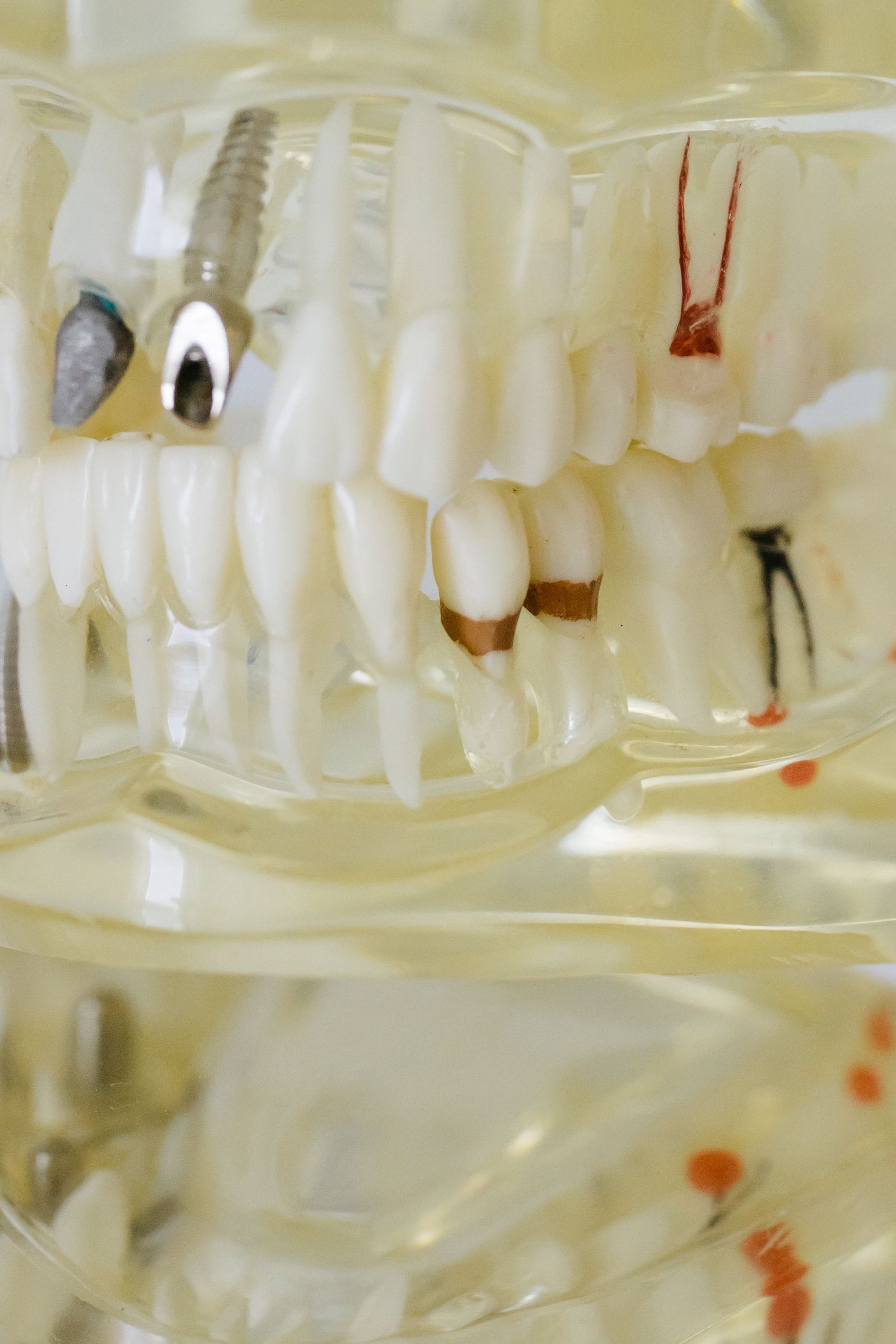
Tracking the exact origin of dental pain can be tricky, as pain often radiates across the jaw. Our specialists utilize specific clinical tests to accurately diagnose the pulpal and periapical status:
- • Thermal Testing: Applying a specialized cold spray (Endo-Ice) to the tooth. If the pain lingers intensely, it indicates irreversible pulpitis. If the tooth feels nothing, it is necrotic.
- • Percussion Testing: Gently tapping the top of the tooth with a mirror handle. Sharp pain confirms the infection has reached the periapical bone.
- • Electric Pulp Testing (EPT): Sending a mild micro-current through the tooth to verify if the nerve fibers are still conducting signals.
- • Sinus Tract (Fistula): A small, pimple-like bump on the gums that occasionally drains bad-tasting pus. This is the body's way of venting a chronic periapical abscess to relieve pressure.
5. Modern Endodontic Treatment Protocols
The ultimate goal of endodontics is to completely eradicate the bacterial source within the tooth, allowing the surrounding jawbone and immune system to heal naturally.
Standard Root Canal Therapy (RCT)
The primary treatment for irreversible pulpitis and necrosis. Using advanced rotary instruments, the dead tissue is removed, the canals are chemically disinfected, and then hermetically sealed with gutta-percha. A dental crown is placed afterward to restore structural strength.
Incision and Drainage (I&D)
If the patient presents with a severe, fluctuant facial abscess (massive swelling), an emergency incision is made into the swelling to rapidly drain the toxic pus, instantly relieving the immense pressure and pain before performing the RCT.
Apicoectomy (Root End Surgery)
If an old root canal fails or a stubborn radicular cyst refuses to heal, surgery is performed from the outside. The gum is lifted, the infected tip of the root is surgically amputated, the cyst is removed, and a bio-ceramic filling is placed directly at the end of the root.
Exodontia (Surgical Extraction)
Considered the last resort. If the tooth structure is entirely destroyed, or a vertical fracture runs down the root, the tooth cannot be saved. It must be extracted, and the site prepared for a future dental implant.
6. Endodontic Expertise in Varanasi
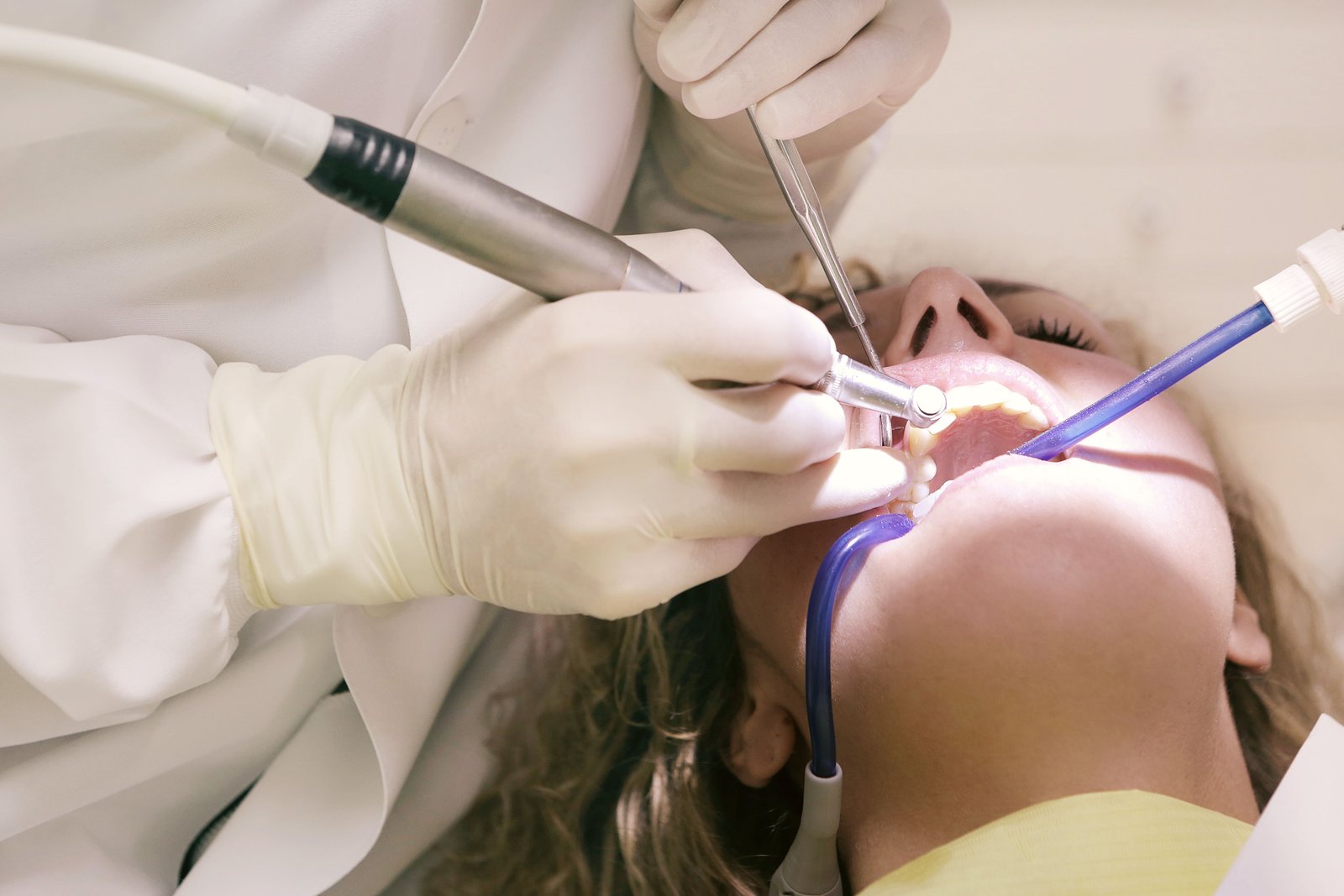
Diagnosing and managing complex pulpal and periapical infections requires clinical mastery. Located on BHU Trauma Centre Road in Lanka, Varanasi (easily accessible from Assi Ghat, Samneghat, and Ravidas Gate), Ayaansh Dental Clinic offers premium endodontic care.
The clinic is directed by Dr. N Srivastava, an MDS specialist from BHU. Her advanced training ensures that root canal therapies are performed painlessly using modern rotary technology, and the subsequent crowns are engineered to seamlessly restore both function and aesthetics, ensuring long-term tooth survival.
7. Frequently Asked Questions
No. Antibiotics can only temporarily reduce the bacterial load and manage the acute swelling. Because the infection source originates inside the dead tooth (which has no active blood supply for antibiotics to reach), the tooth must be physically cleaned via Root Canal Treatment or extracted to achieve a permanent cure.
Reversible pulpitis is mild inflammation where the tooth can heal if the irritant (like a shallow cavity) is removed and filled. Irreversible pulpitis involves severe, lingering, unprovoked pain; the nerve tissue is actively dying and cannot recover, making a Root Canal Treatment mandatory.
A heavy trauma to the tooth can sever the blood supply entering the root tip. The internal nerve and blood vessels die (pulpal necrosis) and break down, leaking red blood cells into the dentin structure, causing the entire tooth to look grey or dark. RCT and internal bleaching or a crown are required.
Small cysts often shrink and resolve completely on their own once the infected tooth undergoes a proper Root Canal Treatment. However, very large, destructive cysts may require a minor surgical procedure (apicoectomy or enucleation) to physically remove the cystic sac from the jawbone.

Dr. N Srivastava
AuthorBDS, MDS (BHU) • Prosthodontist & Implantologist
An expert trained at the prestigious Banaras Hindu University (BHU), Dr. N Srivastava specializes in complex endodontic restorations, dental implants, and full mouth rehabilitations. She utilizes advanced diagnostics and patient-first methodologies to deliver painless, premium care in Varanasi.