Quick Guide Summary
In this comprehensive medical guide to Premalignant Lesions, we explore:
1. What is Oral Lichen Planus (OLP)?
Oral Lichen Planus (OLP) is a chronic, inflammatory autoimmune condition that affects the mucous membranes inside your mouth. Unlike an infection, it is not caused by bacteria or a virus, and it is entirely non-contagious.
Biologically, OLP is a T-cell mediated disease. For reasons that are not always entirely clear, the body's immune system mistakenly identifies the cells of the oral mucosal lining as foreign bodies and attacks them. This sustained immune assault results in a variety of clinical presentations, ranging from painless white lacy patches to severely painful, raw, red ulcers on the inner cheeks, gums, and tongue.
2. Clinical Forms of OLP
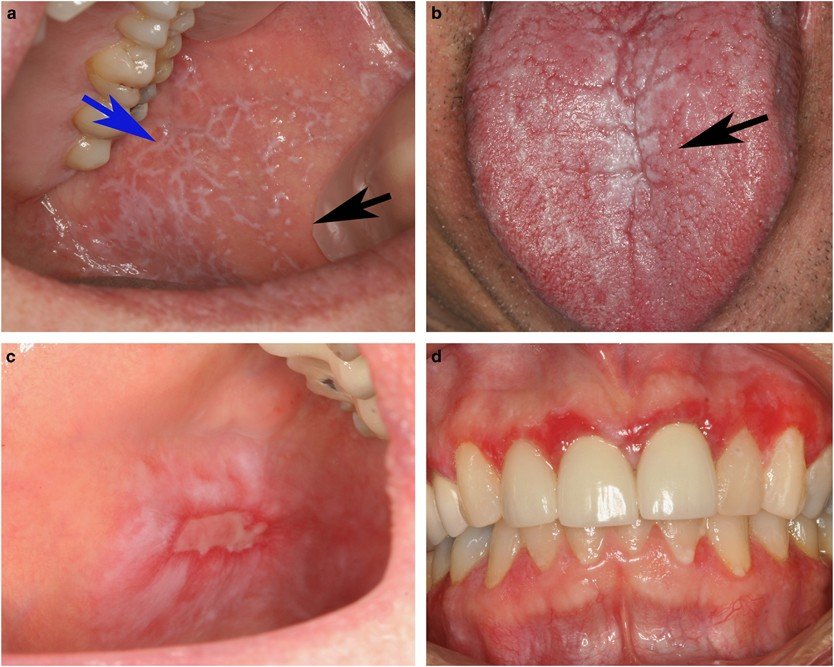
Oral Lichen Planus rarely looks the same in every patient. Pathologists classify it into distinct clinical types, each carrying a different level of discomfort and long-term risk.
Reticular Form
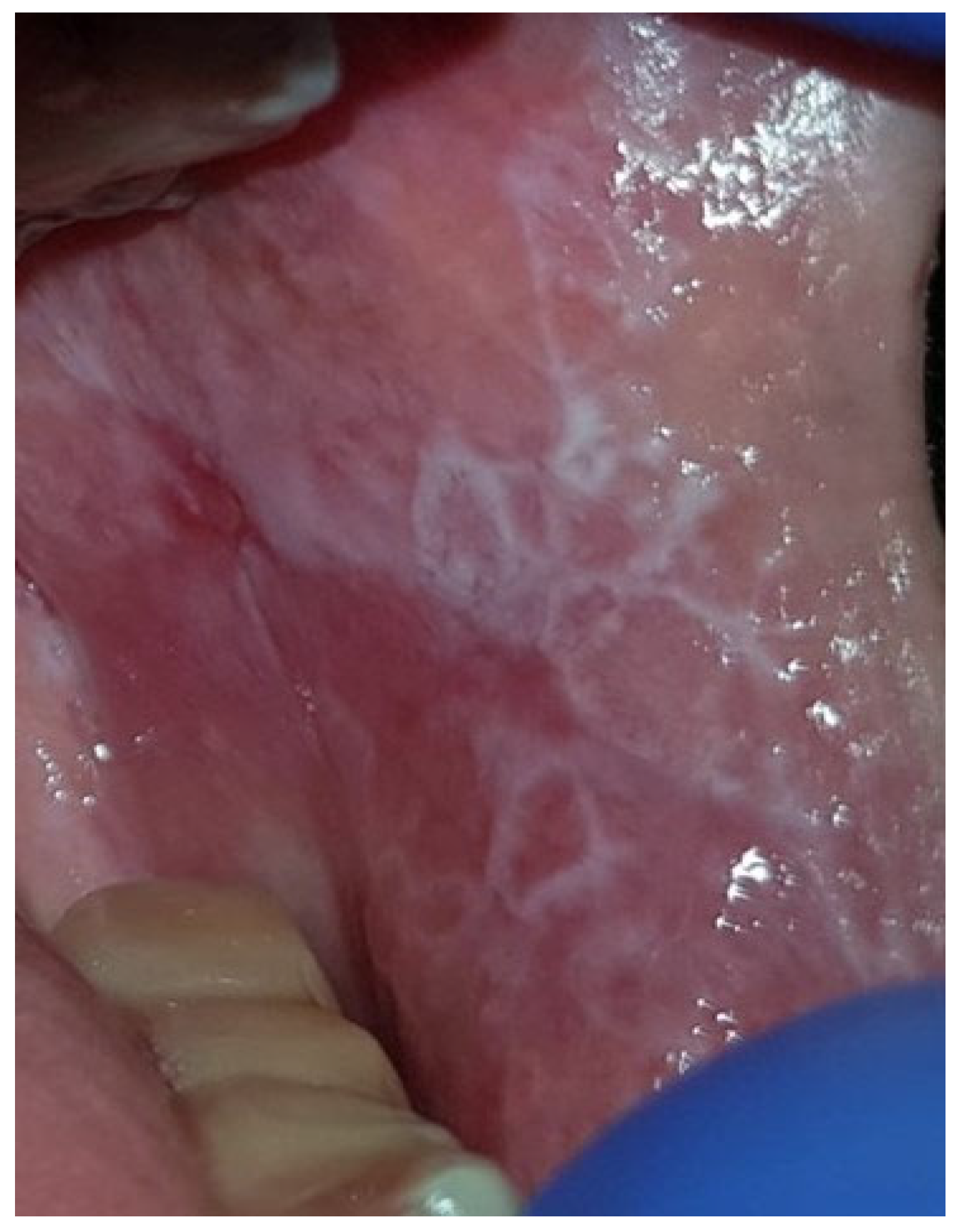
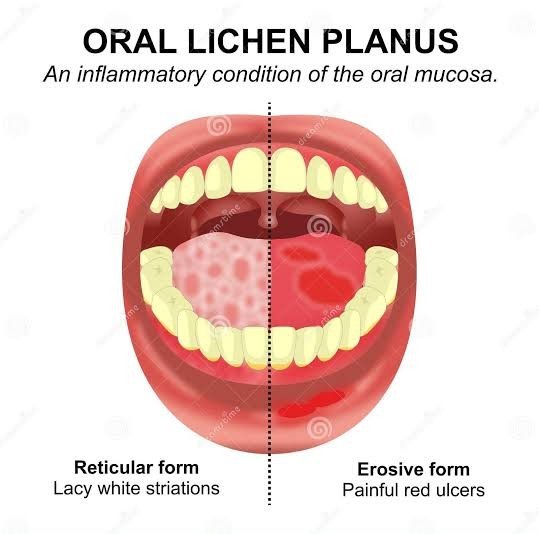
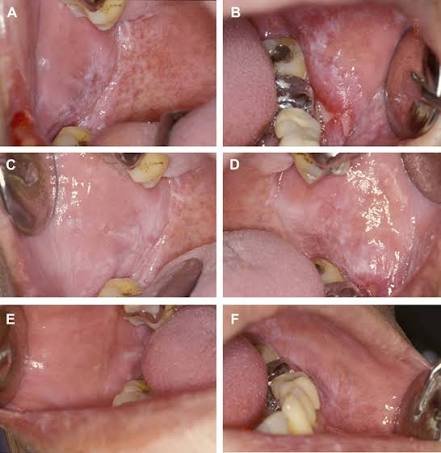
The most common and least painful form. It appears as a network of slightly raised, lacy white lines known clinically as Wickham striae. It is typically found symmetrically on the inside of both cheeks. Patients often do not know they have it until it is discovered during a routine dental exam.
Erosive (Ulcerative) Form
A much more severe presentation. The immune attack destroys the top layer of skin, leaving behind raw, red, painful ulcers often bordered by white striae. This form makes eating spicy, acidic, or hot foods excruciatingly painful and carries a higher risk of malignant transformation.
Atrophic & Plaque-like Forms
Atrophic OLP appears as smooth, red, thinning patches, usually on the gums, causing Desquamative Gingivitis (where the gums easily peel off and bleed). Plaque-like OLP presents as dense, solid white patches that strongly resemble Leukoplakia, primarily found on the tongue or cheeks of smokers.
3. Causes & Triggers
While the exact underlying cause of the immune dysfunction is unknown, several factors are known to trigger the initial onset or cause a sudden, painful flare-up of the disease.
Chronic Stress & Anxiety
Psychological stress is a massive immune modulator. Many patients report that their painful erosive flare-ups correspond directly with periods of high emotional stress or exhaustion.
Certain Medications
A condition called a "Lichenoid Reaction" mimics OLP perfectly. It is often triggered by blood pressure medications (beta-blockers), antimalarials, and non-steroidal anti-inflammatory drugs (NSAIDs).
Dental Materials
Contact allergies to certain dental materials, specifically older silver amalgam fillings or certain metals in crowns, can trigger localized lichenoid lesions adjacent to the tooth.
Systemic Connections
There is a well-documented clinical link between Oral Lichen Planus and Hepatitis C virus infection. Liver function tests are occasionally recommended during the diagnostic phase.
4. Diagnosis & Malignant Potential
Because OLP can mimic other dangerous oral conditions, a visual examination is not enough. A tissue biopsy is the definitive diagnostic protocol.
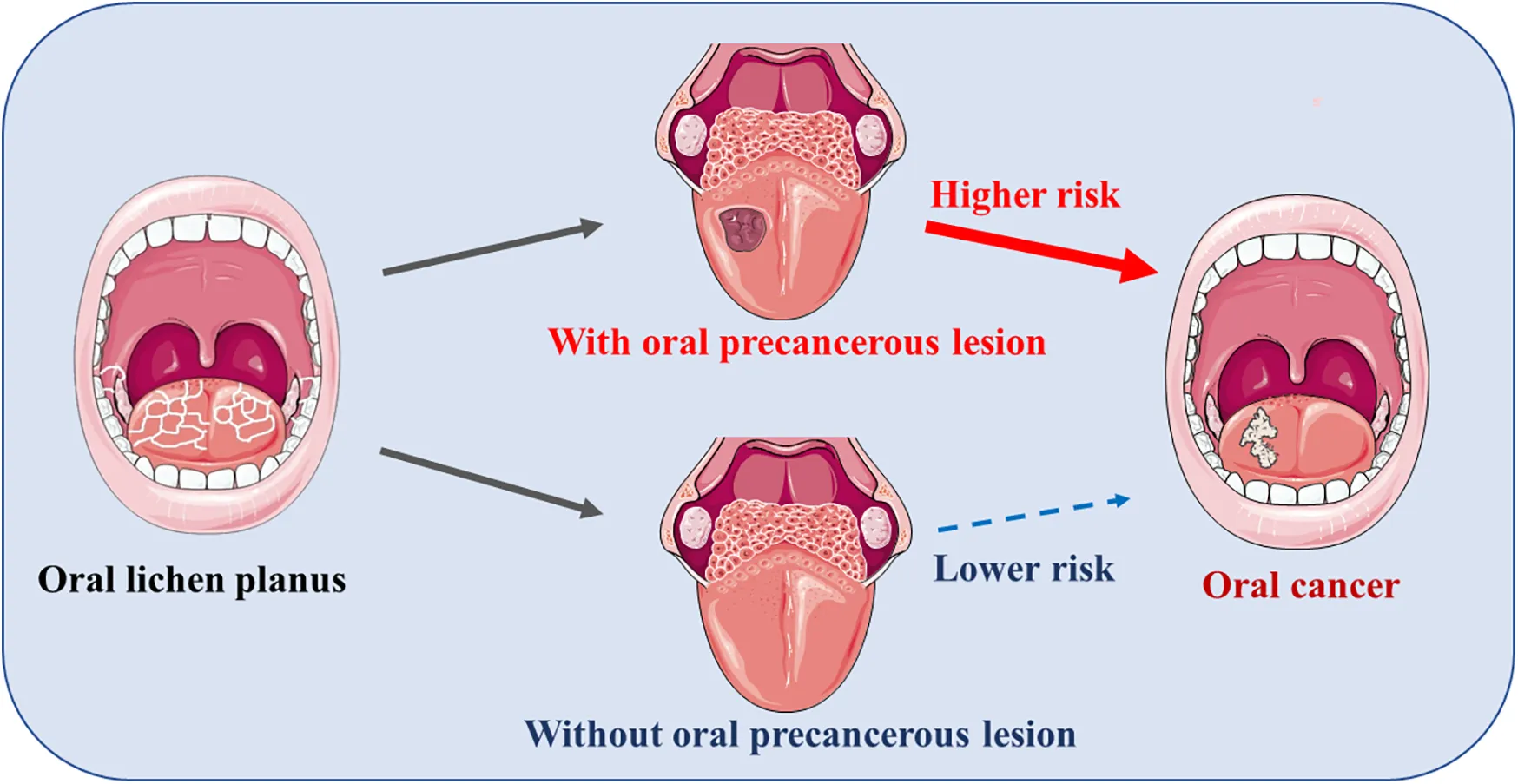
The World Health Organization explicitly lists Oral Lichen Planus as a Potentially Malignant Disorder. While the overall transformation rate to Oral Squamous Cell Carcinoma is relatively low (roughly 1% to 3%), the risk is significantly higher in patients with the erosive or atrophic forms, and in patients who actively smoke or consume alcohol.
5. Modern Management Protocols
Because it is an autoimmune disease, there is no permanent "cure" for OLP. Treatment is aimed at healing severe ulcers, eliminating pain, and keeping the disease in a dormant, symptom-free state.
1. Topical Corticosteroids
The first line of defense. Potent steroid gels or ointments (like Triamcinolone or Clobetasol) are applied directly to the lesions to suppress the local immune attack and reduce inflammation.
2. Immune Modulators
For severe erosive cases that do not respond to steroids, topical calcineurin inhibitors (like Tacrolimus) are used to specifically target and suppress the overactive T-cells in the mouth.
3. Laser Ablation
Soft tissue lasers can be utilized to gently vaporize thick, painful plaque-like or erosive lesions, offering a fast, relatively painless way to clear the damaged tissue and allow healthy mucosa to regenerate.
4. Lifelong Monitoring
Due to the malignant potential, any patient diagnosed with OLP must commit to strict, lifelong follow-up appointments every 3 to 6 months to ensure no cancerous changes occur.
6. Specialized Oral Care in Varanasi
Detecting and managing premalignant immune lesions like OLP requires a highly trained clinical eye. Located strategically on BHU Trauma Centre Road in Lanka, Varanasi (easily accessible from Assi Ghat, Samneghat, and Ravidas Gate), Ayaansh Dental Clinic offers expert oral pathology screening.
Directed by Dr. N Srivastava, a specialist from Banaras Hindu University (BHU), our clinic emphasizes early detection and aggressive medical management. We ensure that your flare-ups are controlled rapidly, improving your quality of life while safeguarding your long-term oral health.
7. Frequently Asked Questions
No. Oral Lichen Planus is an autoimmune condition where your own immune system attacks the lining of your mouth. It is not caused by an infection, virus, or bacteria, and it cannot be passed to a partner through kissing or sharing utensils.
Currently, there is no permanent cure for OLP, as it is a chronic autoimmune disorder. However, it can be highly effectively managed. Clinical treatments focus on eliminating pain, healing erosive ulcers, and keeping the condition dormant for long periods.
During a flare-up, you must avoid spicy foods, acidic foods (like citrus fruits and tomatoes), excessively hot beverages, and rough/crispy foods (like hard breads or chips) that can physically scratch and traumatize the sensitive oral lining.
Lichen planus can affect the skin, scalp, nails, and other mucous membranes (like the esophagus or genitals). While some patients only ever have oral symptoms, about 15% to 20% of patients with oral lesions will also develop itchy, purplish bumps on their skin at some point.
Dr. N Srivastava
AuthorBDS, MDS (BHU) • Prosthodontist & Implantologist
An expert trained at the prestigious Banaras Hindu University (BHU), Dr. N Srivastava specializes in advanced diagnostics, full mouth rehabilitations, and complex oral restorations. She emphasizes early detection of oral pathologies, ensuring patients in Varanasi receive prompt, life-saving interventions.