Quick Guide Summary
In this comprehensive medical guide to Premalignant Lesions, we explore:
1. What is Oral Submucous Fibrosis (OSMF)?
Oral Submucous Fibrosis (OSMF) is a chronic, insidious, and severely debilitating disease of the oral cavity. It is classified globally by the WHO as a Potentially Malignant Disorder (PMD), meaning it carries a terrifyingly high risk of transforming into oral squamous cell carcinoma (mouth cancer).
Clinically, OSMF is characterized by severe inflammation and a progressive buildup of rigid, inelastic collagen (fibrosis) in the submucosal layers of the mouth. Normal, healthy oral tissue is elastic, allowing you to stretch your cheeks, blow air, and open your jaw fully. In a patient with OSMF, this soft tissue transforms into dense, stiff "ropes" or fibrous bands. Over time, these bands physically lock the jaw, leading to severe trismus (an inability to open the mouth).
2. Primary Causes: The Danger of Areca Nut
While nutritional deficiencies (iron, B12) and genetic predispositions play a minor role, the overwhelming primary cause of OSMF—accounting for nearly 95% of cases in India—is the chewing of Areca Nut (Betel Nut).
Gutkha & Pan Masala
Commercial mixtures of areca nut, slaked lime, catechu, and tobacco are highly toxic. The slaked lime acts as a harsh abrasive, causing micro-tears in the oral skin, allowing the toxic alkaloids to penetrate directly into the tissue bed.
The Alkaloid Reaction
Areca nut contains powerful alkaloids (like arecoline) that actively stimulate fibroblasts (cells that create collagen) to go into overdrive. Simultaneously, the chemicals destroy the body's natural enzymes that are supposed to break down old collagen, resulting in massive, uncontrolled scar tissue buildup.
The Role of Capsaicin (Spicy Food)
While eating spicy food does not cause OSMF, capsaicin acts as a severe aggravating factor. The thinned-out, inflamed oral tissues created by gutkha chewing are hyper-sensitive. Patients often report that their inability to tolerate even mildly spicy food was their very first warning sign.
3. Progressive Symptoms & Stages
OSMF is a progressive disease. Catching it in the early stages drastically improves the prognosis.
Early Stage: Inflammation & Sensitivity
The mouth feels constantly dry (xerostomia). Severe burning sensations occur when eating spicy or hot foods. The inside of the cheeks may look red, swollen, or develop small fluid-filled vesicles that eventually ulcerate.
Moderate Stage: Blanching & Band Formation
The oral mucosa loses its healthy pink color, turning stark white and developing a marble-like, opaque appearance (blanching). You can physically feel thick, tight, rope-like vertical bands just under the skin of the cheeks and lips. The uvula (the bell in the back of the throat) often shrinks or disappears.
Advanced Stage: Severe Trismus
The fibrous bands contract aggressively. Mouth opening becomes severely restricted—often dropping from a normal 40-50mm down to less than 15mm. The patient struggles to blow out their cheeks, stick out their tongue, or even swallow solid foods safely. Normal dental care becomes physically impossible.
4. Clinical Diagnosis & Cancer Risk
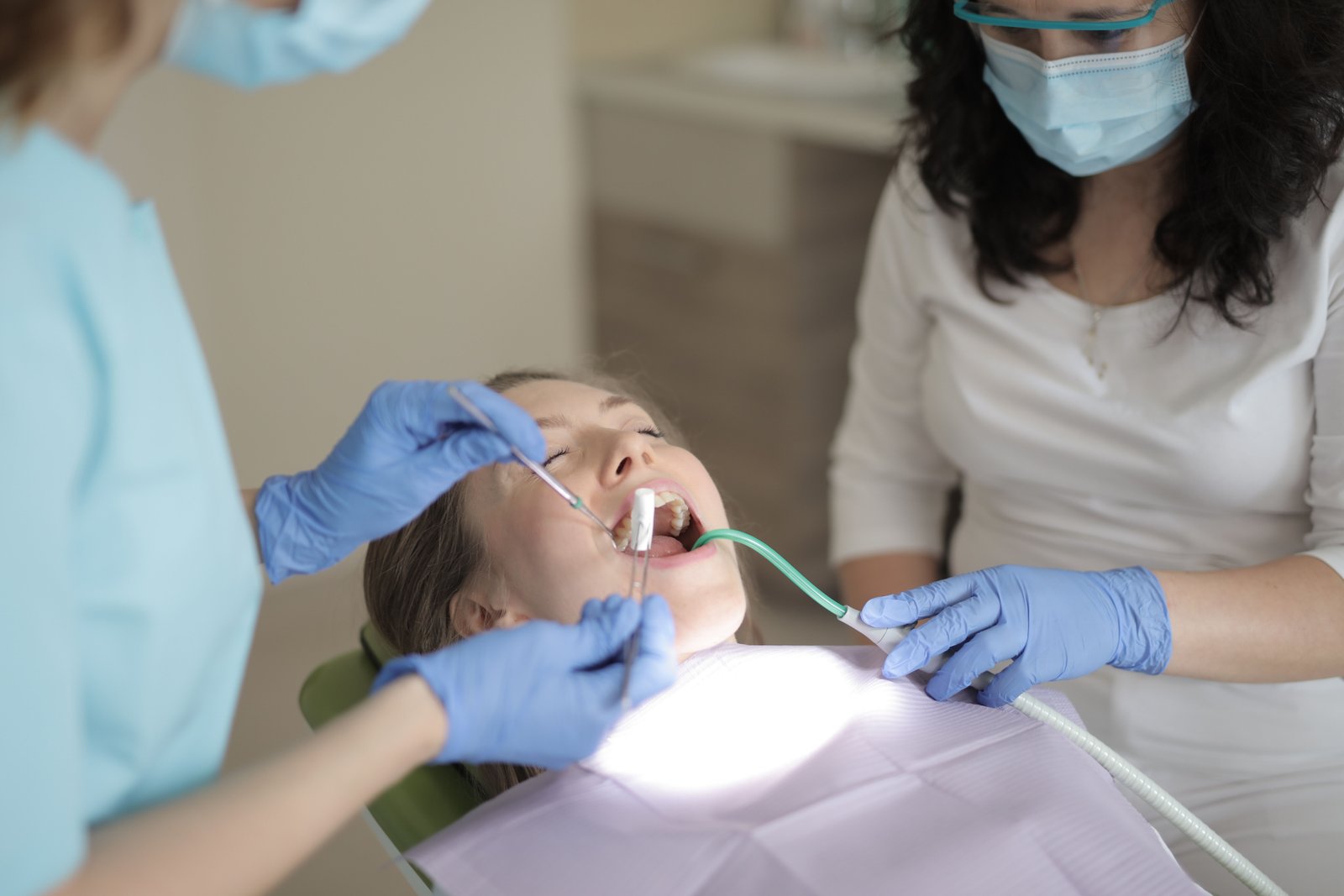
While a specialist can usually diagnose OSMF clinically by palpating the fibrous bands and measuring the inter-incisal distance (mouth opening), a tissue biopsy is often mandatory.
Why biopsy? Because OSMF tissues are highly prone to dysplasia (abnormal cell growth). Statistically, up to 10% of all OSMF cases eventually transform into highly malignant Oral Squamous Cell Carcinoma. A biopsy is the only definitive way to verify if cancer cells have already begun forming beneath the thick white scars.
5. Modern Treatment Protocols
OSMF is irreversible. The goal of treatment is not to "cure" the condition, but to aggressively halt its progression, improve mouth opening, and prevent cancerous transformation.
1. Absolute Habit Cessation
Treatment will 100% fail if the patient continues chewing areca nut or smoking. This must stop immediately and forever.
2. Nutritional Therapy
Aggressive supplementation with powerful antioxidants (like Lycopene), Vitamin B complex, Iron, and Beta-carotene helps reduce free radical damage and limits inflammation.
3. Intralesional Injections
For moderate cases, the specialist will inject a cocktail of medications directly into the fibrous bands inside the cheek. This usually consists of Corticosteroids (to suppress extreme inflammation) mixed with Hyaluronidase (an enzyme that actively breaks down the tough collagen matrices), facilitating better mouth opening over several weeks.
4. Surgical Intervention (Fibrotomy)
Reserved for advanced, severe cases where mouth opening is less than 20mm and injections fail. The surgeon physically cuts and releases the fibrous bands. Because this leaves large raw wounds in the mouth, skin grafts or synthetic collagen membranes must be placed over the cuts to prevent them from scarring right back together.
6. Specialized Oral Care in Varanasi
Detecting and managing premalignant lesions like OSMF requires a highly trained clinical eye. Located strategically on BHU Trauma Centre Road in Lanka, Varanasi (easily accessible from Assi Ghat, Samneghat, and Ravidas Gate), Ayaansh Dental Clinic offers expert oral pathology screening.
Directed by Dr. N Srivastava, a specialist from Banaras Hindu University (BHU), our clinic emphasizes early detection. If a lesion is deemed high-risk or requires surgical fibrotomy, we work directly in tandem with the region's leading oral surgeons and oncologists to ensure seamless, life-saving care.
7. Frequently Asked Questions
OSMF is an irreversible condition, meaning the thick fibrous bands cannot naturally revert to normal elastic tissue. However, with prompt medical or surgical intervention, the progression can be halted, mouth opening can be significantly improved, and the risk of cancer can be mitigated.
The burning sensation, especially when eating spicy foods, is usually the very first symptom of OSMF. The continuous chewing of gutkha and betel nut severely thins out the top layer of the oral skin (epithelium) and causes inflammation, leaving the underlying nerves highly sensitive and exposed.
Stopping the habit is mandatory to prevent the disease from getting worse and turning into cancer. However, simply stopping will not melt away the hard scar tissue that has already formed. You will still require medical treatment (like injections) and physical physiotherapy exercises to regain your mouth opening.
Because the oral tissues in an OSMF patient are very tight and inflamed, the injections can cause a temporary stinging or burning sensation. We often apply topical numbing gels prior to the injection to make the process as comfortable as clinically possible.
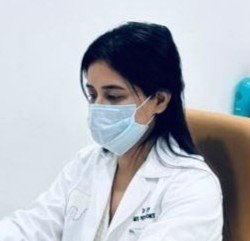
Dr. N Srivastava
AuthorBDS, MDS (BHU) • Prosthodontist & Implantologist
An expert trained at the prestigious Banaras Hindu University (BHU), Dr. N Srivastava specializes in advanced diagnostics, full mouth rehabilitations, and complex oral restorations. She emphasizes early detection of oral pathologies, ensuring patients in Varanasi receive prompt, life-saving interventions.