Quick Guide Summary
In this comprehensive guide for parents, we explore the essential pillars of children's oral health:
1. The "First Tooth, First Visit" Rule
A widespread misconception among parents is that primary (baby) teeth are not important because "they are just going to fall out anyway." In reality, primary teeth serve crucial structural functions. They guide the proper eruption of permanent adult teeth, facilitate clear speech development, and ensure your child can chew nutritious foods properly.
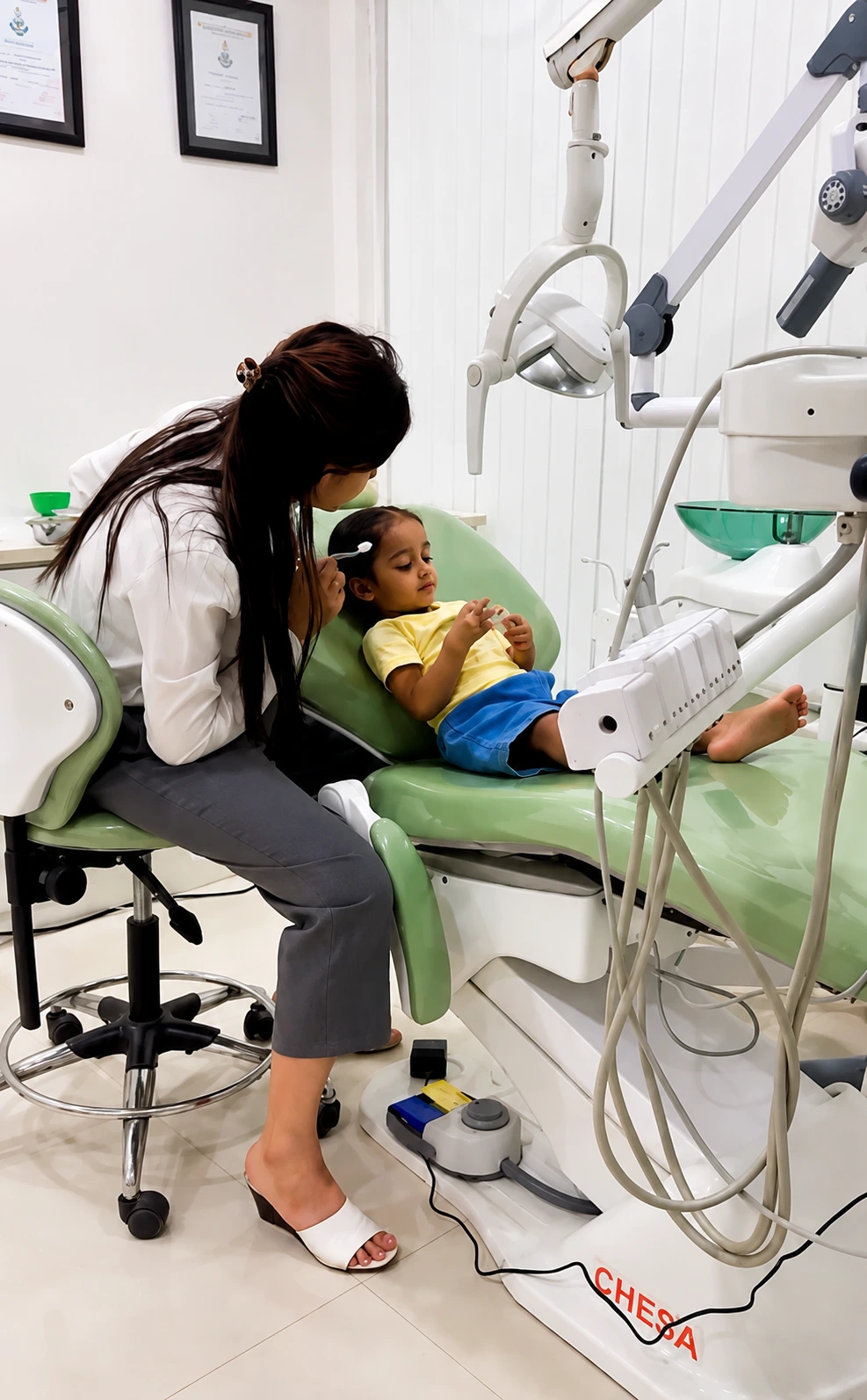
The American Academy of Pediatric Dentistry establishes the global gold standard: A child should have their first dental visit when their first tooth erupts, or no later than their first birthday. This early visit is not about complex treatments. It is designed to establish a "dental home," acclimatize the child to the clinical environment to prevent dental phobia, and allow the specialist to assess the infant's oral development, jaw growth, and feeding habits.
2. Daily Oral Hygiene for Kids
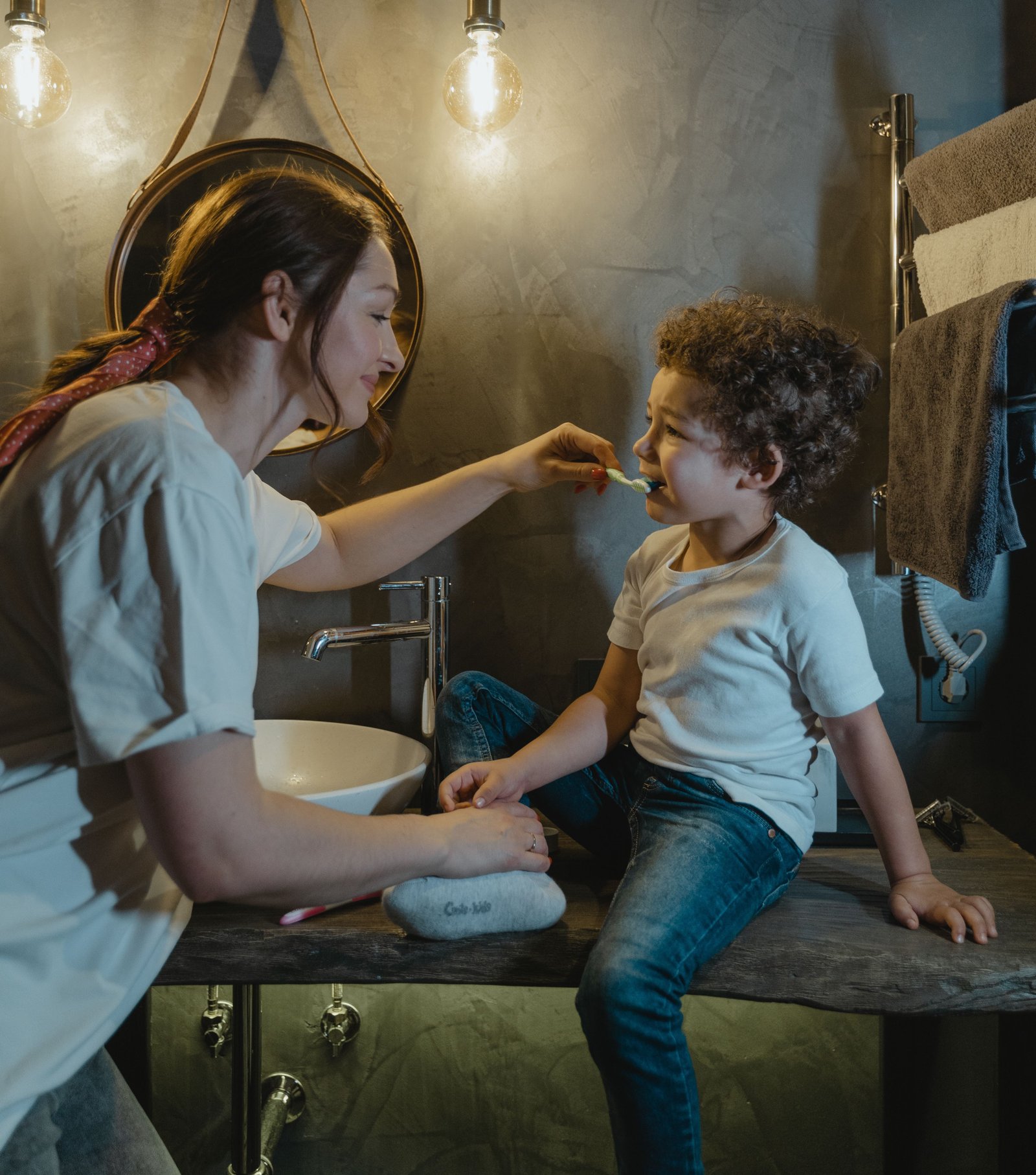
Preventive care starts at home. The techniques required change rapidly as your child grows from an infant to a school-aged child.
Infants (0-1 Year)
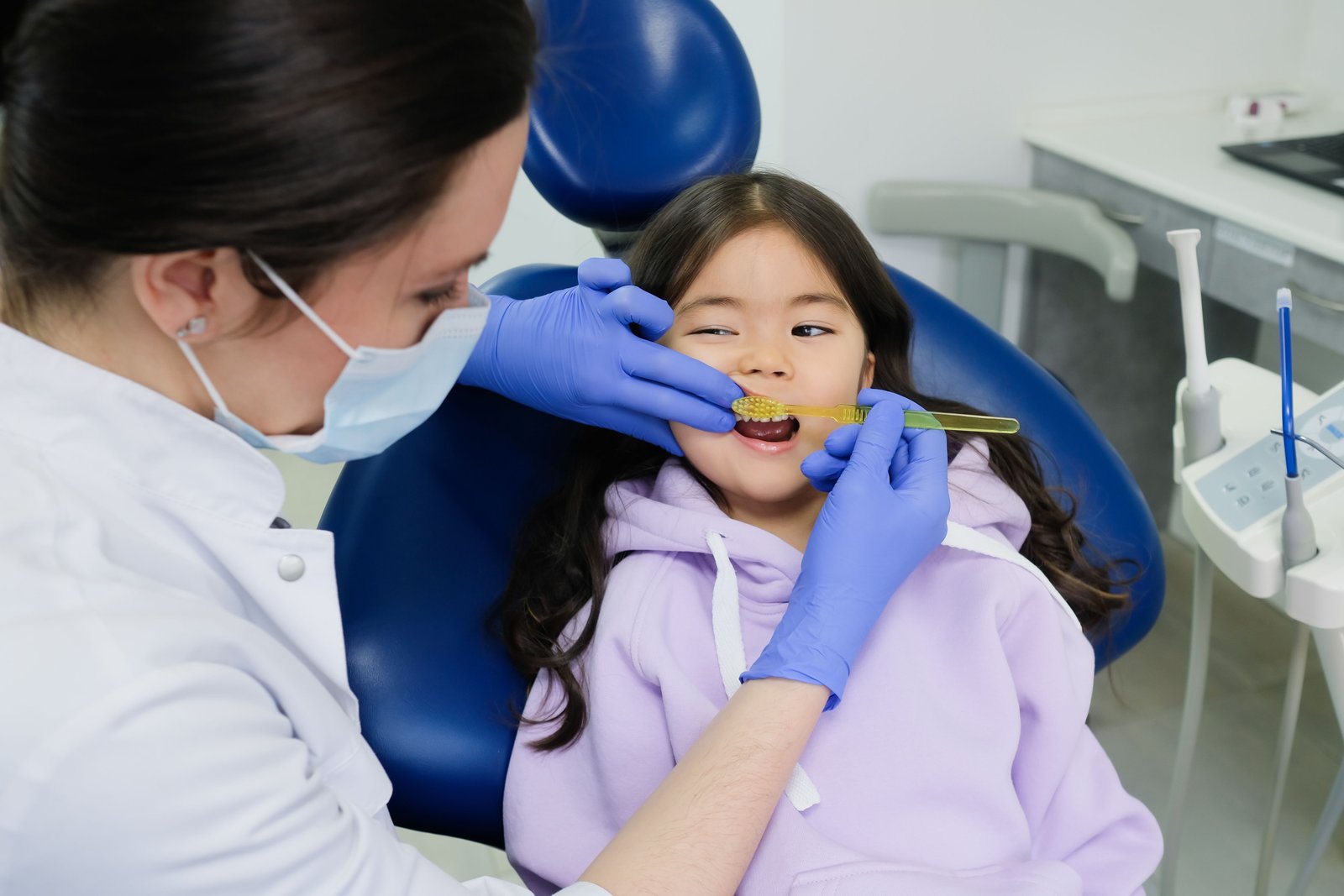
Even before teeth erupt, you should gently wipe your baby's gums with a clean, damp washcloth or a silicone finger-brush after feedings. Once the first tooth appears, begin brushing twice daily using a soft, small-headed brush and a mere "smear" (the size of a grain of rice) of fluoride toothpaste.
Toddlers (1-3 Years)
As more teeth come in, continue brushing for them. Increase the toothpaste to a "pea-sized" amount. Encourage them to spit out the excess paste, but do not rinse heavily with water, as leaving a tiny film of fluoride protects the teeth overnight. Begin flossing as soon as any two teeth touch each other tightly.
Children (4-8+ Years)
Children can begin brushing their own teeth, but parents must supervise and assist until the child is about 7 or 8 years old (or until they can tie their own shoelaces securely, indicating sufficient fine motor skills). Transition to an electric toothbrush if manual brushing is insufficient.
3. Dietary Guidance: The Sugar Bug Battle
Tooth decay (caries) is a diet-dependent disease. Oral bacteria feed on fermentable carbohydrates (sugars and starches), producing harsh acids that dissolve tooth enamel.
Baby Bottle Tooth Decay
Never put a baby to sleep with a bottle containing milk, formula, or juice. The natural sugars pool around the upper front teeth all night while salivary flow is low, causing rapid, devastating decay. Only use pure water for overnight bottles.
The Frequency Factor
It is not just how much sugar a child eats, but how often. Constant snacking on crackers, raisins, or gummy candies keeps the mouth in a highly acidic state all day. Confine sweets strictly to main mealtimes.

4. Clinical Preventive Treatments
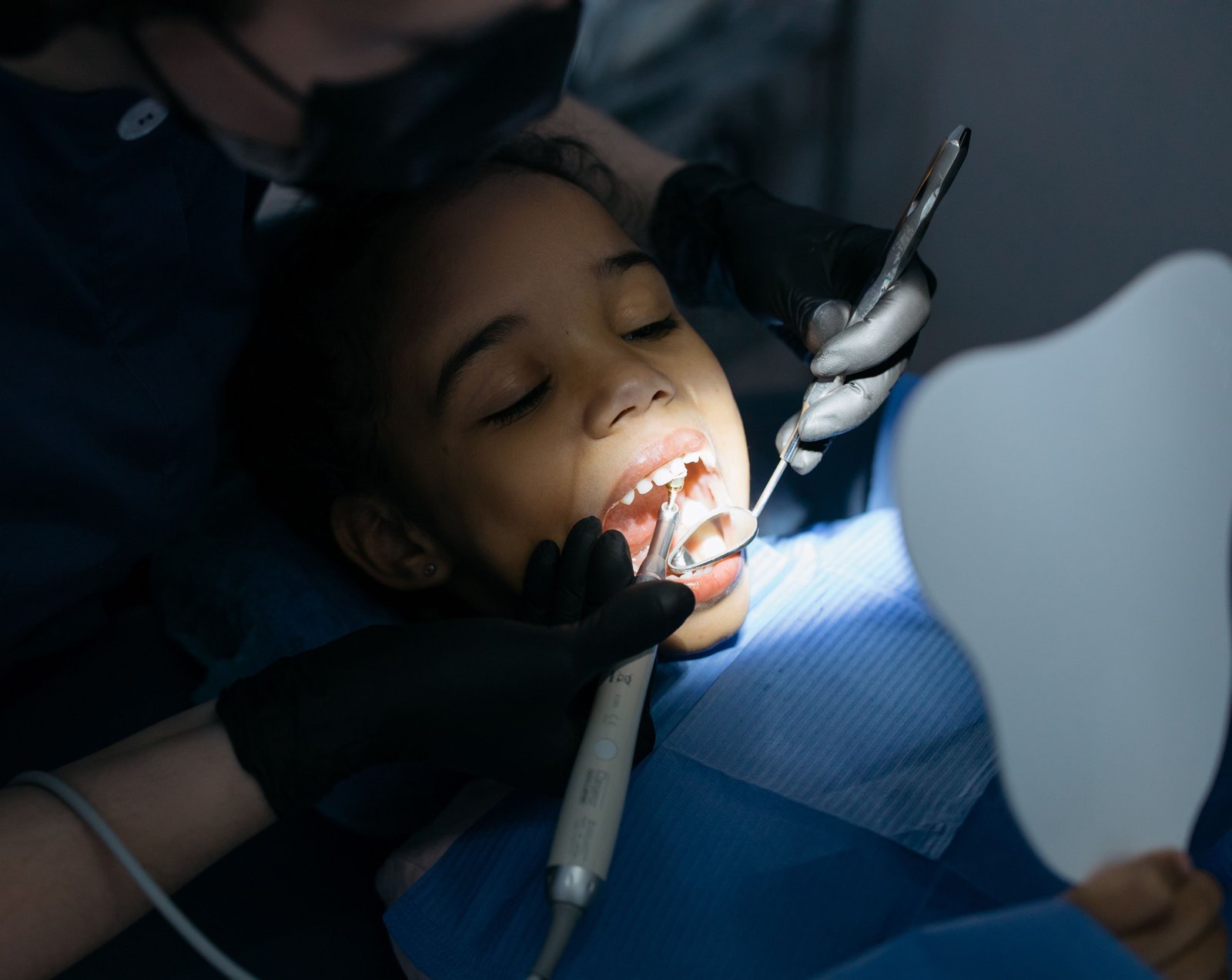
Beyond brushing at home, your pediatric dentist acts as the primary defense against cavities by utilizing highly effective, painless clinical interventions during routine checkups.
Professional Fluoride Varnish
Fluoride is a natural mineral that structurally fortifies tooth enamel, making it incredibly resistant to acid attacks. During a checkup, the dentist paints a highly concentrated, sticky fluoride varnish directly onto the child's teeth. It is completely painless, takes only 1 minute, and provides months of robust cavity protection.
Pit and Fissure Sealants
The chewing surfaces of back molars contain deep, microscopic grooves (fissures) that are impossible to clean with a toothbrush. Almost 80% of childhood cavities start here. We flow a thin, tooth-colored plastic resin into these grooves and harden it with a light. This creates a flat, smooth, impenetrable shield that physically blocks bacteria from settling in the tooth.
5. Sports Guards & Trauma Prevention
As children become more active in sports, the risk of severe dental trauma (knocked-out, fractured, or intruded teeth) skyrockets.
Custom Athletic Mouthguards
While over-the-counter "boil-and-bite" mouthguards provide some protection, they are often bulky, restrict breathing, and easily fall out during impact. At Ayaansh Dental Clinic, we take precision impressions to fabricate custom-fitted athletic mouthguards. These fit perfectly over the child's unique dental arch, providing vastly superior shock-absorption to protect the teeth, lips, and even reduce the risk of concussions from upward blows to the jaw.
6. Specialized Pediatric Care in Varanasi
Establishing a positive relationship with a dentist early in life is crucial. Located centrally on BHU Trauma Centre Road in Lanka, Varanasi (easily accessible from Assi Ghat, Samneghat, and Ravidas Gate), Ayaansh Dental Clinic provides a welcoming, fear-free environment for young patients.
Directed by Dr. N Srivastava (MDS, BHU), our clinic focuses heavily on behavioral management and painless preventive procedures. Whether it is monitoring jaw growth for early orthodontic intervention or applying protective sealants, we are dedicated to building a foundation for your child's lifelong oral health.
7. Frequently Asked Questions
The American Academy of Pediatric Dentistry recommends that a child should visit the dentist by their first birthday, or within six months after their first tooth erupts. This establishes a baseline for health and helps parents learn proper infant oral care.
Yes, professional fluoride varnishes applied by a dentist are incredibly safe and highly effective at strengthening enamel to prevent childhood cavities. The varnish sets instantly on the teeth, preventing the child from swallowing it.
Prolonged pacifier use or thumb-sucking beyond age 3 or 4 can physically distort the growth of the jaw, causing the front teeth to protrude (open bite). It is highly recommended to wean children off these habits by age 3 to prevent the need for complex orthodontics later.
Find the tooth immediately. Handle it ONLY by the white crown, never touch the root. If dirty, rinse it very briefly under cold water (do not scrub). Try to gently place it back into the socket. If that fails, place the tooth in a glass of cold milk and rush to the dentist immediately. Time is highly critical to saving the tooth.
Dr. N Srivastava
AuthorBDS, MDS (BHU) • Prosthodontist & Implantologist
An expert trained at the prestigious Banaras Hindu University (BHU), Dr. N Srivastava specializes in advanced diagnostics, comprehensive oral rehabilitation, and preventive care. She focuses on establishing strong, positive dental foundations for young patients in Varanasi, ensuring fear-free, lifelong oral health.